10 Powerful Water Heater Safety Rules You Must Follow
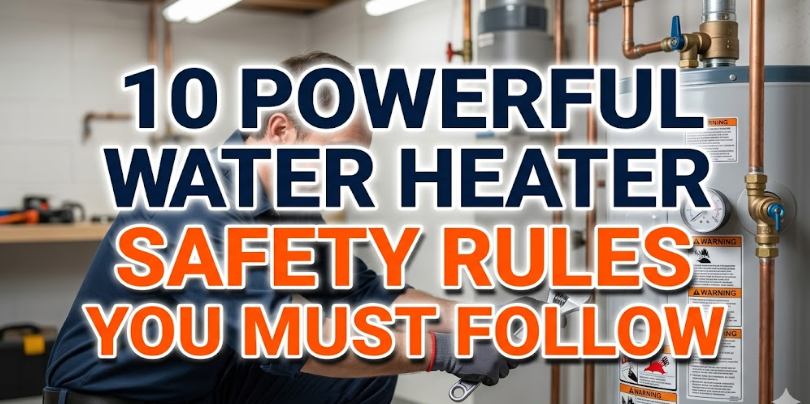
10 Powerful Water Heater Safety Rules You Must Follow
There’s something quietly reassuring about hot water. It shows up when you need it, does its job without applause, and disappears without asking for attention. Yet behind that everyday comfort sits a machine that works under pressure, heat, electricity, or gas. And like anything powerful, a water heater demands respect.
Most people don’t think about safety until something goes wrong—a strange smell, a leak, or worse. But the truth is, water heater safety isn’t about reacting. It’s about small, consistent habits that prevent problems before they even begin.
This guide walks through ten powerful safety rules that are simple, practical, and grounded in real-life experience. Think of it less as a checklist and more as a mindset shift—one that keeps your home safer and your system running smoothly.
rule 1: understand your water heater before anything else
You don’t need to be a technician, but you do need to know what you’re dealing with.
Is your heater electric or gas? Tank or tankless? Where is it located? Where is the shut-off valve?
These aren’t technical questions—they’re safety basics.
Imagine this: a small leak starts at the bottom of your heater. If you don’t know where the water shut-off valve is, those few minutes of confusion can turn into serious water damage. The same goes for gas heaters. Knowing where the gas supply valve is can be the difference between a minor issue and a dangerous situation.
Take ten minutes today. Locate:
- the power source (breaker or plug)
- the water inlet valve
- the pressure relief valve
- the drain valve
Write it down if needed. Familiarity removes panic.
rule 2: never ignore unusual sounds or smells
Water heaters don’t usually “talk,” but when they do, it’s worth listening.
Popping or rumbling sounds often indicate sediment buildup. That might sound harmless, but over time it can cause overheating and pressure issues.
A rotten egg smell? That’s not just unpleasant—it could point to bacterial growth or even a gas issue in certain setups.
Burning smells or melted wiring odors from electric heaters are red flags. Immediate attention is required.
Your job isn’t to diagnose everything—it’s to notice early and act quickly.
A simple rule: if something feels off, it probably is.
rule 3: keep the area around your heater clear
This one sounds obvious, but it’s often ignored.
People store boxes, cleaning supplies, paint cans—even clothes—around their water heaters. Especially in small homes or apartments, that space becomes “extra storage.”
That’s risky.
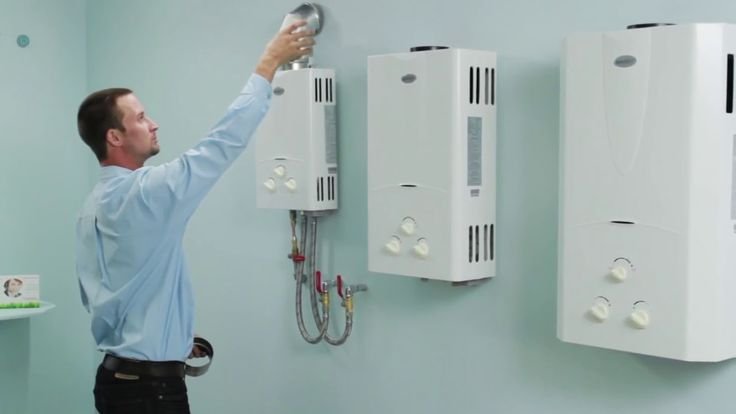
Gas heaters need proper airflow. Blocking vents or placing flammable items nearby increases fire risk. Electric heaters also need space for safe operation and maintenance.
Keep at least a small clearance zone around your heater:
- no flammable liquids
- no stacked clutter
- no fabric or paper materials
Think of your water heater as something that deserves its own breathing room.
rule 4: test the temperature and pressure relief valve regularly
The temperature and pressure relief (T&P) valve is one of the most important safety components—and one of the most neglected.
Its job is simple: release pressure if it builds up too much inside the tank.
Without it, pressure can rise to dangerous levels.
Testing it takes less than a minute:
- place a bucket under the discharge pipe
- gently lift the valve lever
- let it release some water
- let it snap back into place
You should see water flow briefly. If nothing comes out, or it keeps leaking afterward, the valve may need replacement.
It’s a small test with big consequences.
rule 5: set the right temperature—not too high, not too low
Many people turn the temperature up thinking it gives “better hot water.”
But hotter isn’t always safer.
Water above 60°C (140°F) can cause burns in seconds. Children and elderly individuals are especially at risk.
On the other hand, setting it too low can encourage bacterial growth.
The safe middle ground is around 49°C (120°F). It’s hot enough for daily use and safe enough to reduce scalding risk.
It’s one of the easiest adjustments you can make—and one of the most effective.
rule 6: flush the tank to prevent sediment buildup
Over time, minerals in water settle at the bottom of the tank. This sediment layer acts like insulation, forcing the heater to work harder.
That leads to:
- overheating
- reduced efficiency
- strange noises
- potential damage to the tank
Flushing the tank once or twice a year helps prevent these issues.
Basic steps include:
- turning off power or gas
- connecting a hose to the drain valve
- draining water until it runs clear
It’s not just maintenance—it’s safety.
rule 7: inspect for leaks and corrosion regularly
A small leak today can become a major problem tomorrow.
Check around your heater once a week or at least once a month:
- look for water pooling at the base
- check pipes for rust or corrosion
- inspect connections for moisture
Even a few drops matter.
Corrosion is especially important. If the tank itself starts rusting, it’s a sign the internal lining may be failing.
Early detection saves money—and prevents sudden failures.
rule 8: ensure proper ventilation for gas heaters
Gas water heaters need proper ventilation to safely release combustion gases.
If ventilation is blocked or inadequate, dangerous gases like carbon monoxide can build up.
Signs of poor ventilation include:
- soot buildup
- yellow or flickering flame instead of blue
- frequent pilot light outages
Never ignore these signs.
Make sure vents are clear, properly connected, and not obstructed by debris or storage items.
If you’re unsure, it’s always safer to have a professional inspect it.
rule 9: turn off the heater when not in use for extended periods
If you’re leaving home for several days or weeks, don’t leave your water heater running unnecessarily.
Turning it off:
- reduces risk of leaks or overheating
- saves energy
- extends the life of the unit
For gas heaters, set to “vacation mode” if available. For electric ones, switch off at the breaker.
It’s a simple habit that adds an extra layer of safety.
rule 10: schedule professional inspections annually
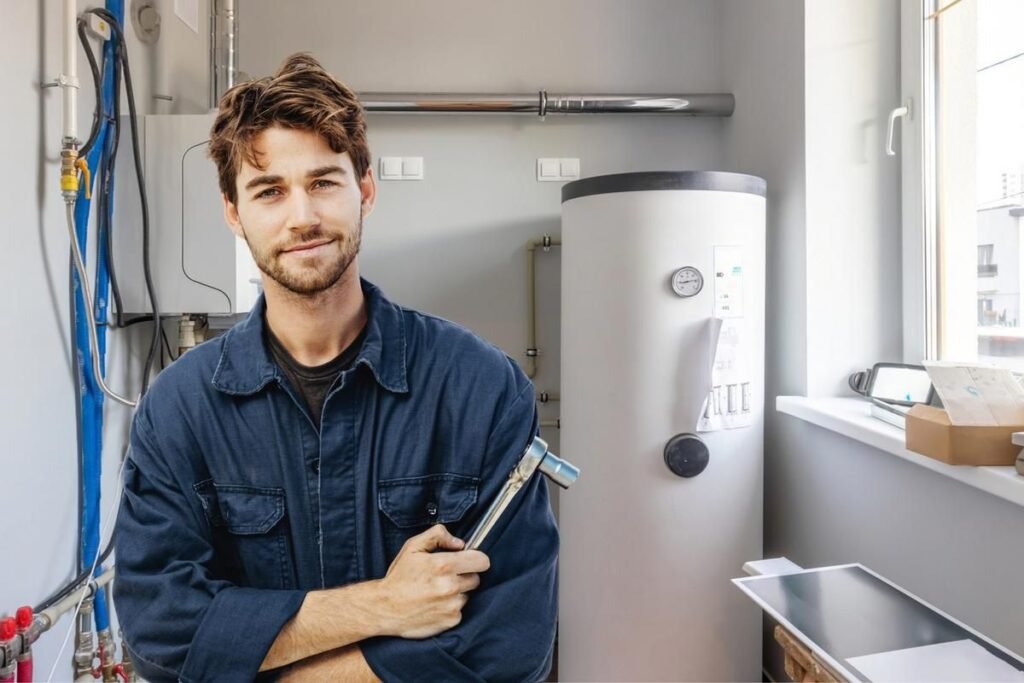
Even if everything seems fine, a yearly inspection by a qualified technician can catch issues you might miss.
They can:
- check internal components
- test safety valves
- inspect electrical or gas connections
- identify early signs of wear
Think of it like a health check-up for your heater.
Prevention is always easier than repair.
bringing it all together
Water heater safety isn’t about fear—it’s about awareness.
Most accidents don’t happen because people don’t care. They happen because people assume everything is fine until it isn’t.
By following these ten rules, you shift from reactive to proactive living.
You notice things sooner. You act faster. You avoid unnecessary risks.
And most importantly, you create a safer environment for yourself and everyone around you.
a simple weekly safety checklist
To make things easier, here’s a quick routine you can follow:
once a week:
- glance at the base for leaks
- listen for unusual sounds
- ensure the area is clear
once a month:
- check connections and pipes
- confirm temperature setting
every 6–12 months:
- flush the tank
- test the T&P valve
- schedule inspection if needed
Consistency matters more than complexity.
frequently asked questions
- how often should i flush my water heater?
Most homes benefit from flushing once or twice a year. If your water has high mineral content, more frequent flushing may be needed. - what is the safest temperature setting for a water heater?
Around 49°C (120°F) is generally considered safe. It balances comfort with protection against burns and bacterial growth. - is it dangerous if my water heater makes noise?
Not always, but it shouldn’t be ignored. Popping or rumbling often indicates sediment buildup, which can lead to overheating over time. - can i perform maintenance myself or should i call a professional?
Basic tasks like checking for leaks or flushing the tank can often be done yourself. However, for gas-related issues or internal repairs, a professional is recommended. - what should i do if i notice a gas smell near my heater?
Leave the area immediately and turn off the gas supply if it’s safe to do so. Do not use electrical switches or open flames. Contact emergency services or a technician right away. - how long does a typical water heater last?
Most traditional tank heaters last 8–12 years. Proper maintenance can extend their lifespan, while neglect can shorten it significantly.
In the end, water heater safety comes down to respect—for the system, for your home, and for the quiet role it plays every day. A little attention now can prevent a lot of trouble later.
About the Author