4 Powerful Water Heater Maintenance and Care Guide Hacks for Cold Water Issues
4 Powerful Water Heater Maintenance and Care Guide Hacks for Cold Water Issues
Few things ruin a peaceful morning faster than turning on the shower and being greeted by freezing cold water. It’s a frustrating situation that many homeowners face at some point. A water heater that suddenly stops delivering hot water doesn’t always mean it’s broken beyond repair. In fact, many cold water problems happen because of simple maintenance issues.
Over the years, homeowners and technicians have discovered that a few smart maintenance habits can prevent most water heater failures. The secret is not complicated repairs or expensive equipment—it’s knowing what to check and maintaining the system regularly.
In this guide, you’ll learn four powerful water heater maintenance hacks that help fix and prevent cold water issues. These practical methods can save money, extend your heater’s lifespan, and restore your hot water faster than you might expect.
Along the way, we’ll also look at useful charts, troubleshooting tables, and maintenance schedules that make the process easier.
Understanding Why Water Heaters Produce Cold Water
Before jumping into the maintenance hacks, it’s helpful to understand why water heaters suddenly stop producing hot water.
Most cold water problems happen because of one of these reasons:
- Sediment buildup in the tank
- Faulty thermostat settings
- Heating element problems
- Gas burner or pilot light issues
- Water pressure imbalance
- Lack of regular maintenance
Many people immediately assume their water heater is broken when hot water disappears. But often, a small maintenance task fixes the issue quickly.
The table below shows some common causes.
| Problem | Possible Cause | Quick Check |
|---|---|---|
| No hot water at all | Power or gas supply issue | Check breaker or gas valve |
| Hot water runs out quickly | Sediment buildup | Flush tank |
| Water not hot enough | Thermostat set too low | Adjust thermostat |
| Water temperature fluctuates | Faulty heating element | Inspect element |
| Heater makes noise | Mineral buildup | Drain tank |
Understanding these symptoms helps identify the right maintenance approach.
Hack #1: Flush the Tank to Remove Sediment Build-Up
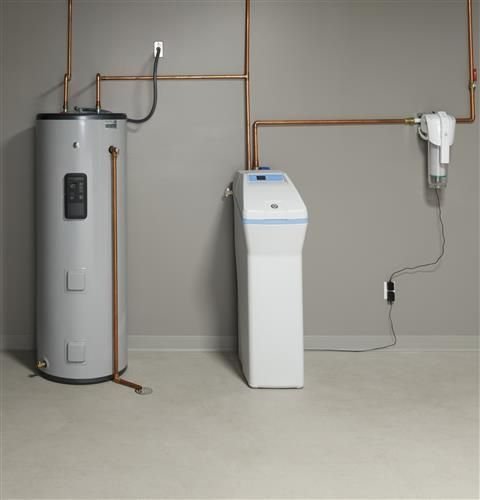
One of the most common reasons for cold water problems is sediment buildup inside the water heater tank.
Over time, minerals from water settle at the bottom of the tank. This layer acts like insulation between the heating element and the water.
As a result:
- Water heats slowly
- Hot water runs out quickly
- The heater works harder than normal
Eventually, the heater struggles to maintain temperature.
Signs Your Tank Needs Flushing
Look for these signs:
- Rumbling or popping noises
- Reduced hot water supply
- Longer heating time
- Slightly dirty water
How Sediment Affects Heating Efficiency
| Sediment Level | Efficiency Impact |
|---|---|
| Low buildup | 5% efficiency loss |
| Moderate buildup | 15% loss |
| Heavy buildup | 30% or more loss |
This means a neglected heater can waste significant energy.
Step-by-Step Tank Flushing Process
- Turn off power or gas supply.
- Shut off the cold water valve.
- Connect a garden hose to the drain valve.
- Place the hose in a safe drain area.
- Open the drain valve slowly.
- Allow water to flush out sediment.
- Close the valve and refill the tank.
Performing this process once or twice a year can dramatically improve performance.
Tank Flushing Maintenance Chart
| Household Size | Recommended Flushing Frequency |
|---|---|
| 1–2 people | Once per year |
| 3–4 people | Every 6–8 months |
| Large family | Every 4–6 months |
Regular flushing keeps heating elements exposed to water instead of mineral deposits.
Hack #2: Adjust and Calibrate the Thermostat
Another overlooked reason for cold water problems is incorrect thermostat settings.
Many heaters have thermostats that control heating cycles. If the thermostat is set too low or becomes miscalibrated, water may never reach the desired temperature.
Ideal Water Heater Temperature
Experts recommend:
120°F (49°C)
This temperature balances safety and efficiency.
Temperature Safety Chart
| Temperature | Risk Level |
|---|---|
| 100°F | Too cold for comfort |
| 110°F | Lukewarm |
| 120°F | Ideal temperature |
| 130°F | Risk of minor burns |
| 140°F+ | Dangerous |
How to Adjust the Thermostat
Electric heaters usually have two thermostats: upper and lower.
Steps:
- Turn off the breaker.
- Remove the thermostat access panel.
- Use a screwdriver to adjust temperature.
- Match both thermostats to the same level.
- Replace cover and restore power.
Gas heaters typically have a temperature dial near the burner.
Small adjustments can significantly improve hot water availability.
Thermostat Troubleshooting Guide
| Symptom | Possible Fix |
|---|---|
| Water not hot enough | Increase thermostat slightly |
| Water too hot | Lower temperature |
| Heater cycles frequently | Check thermostat calibration |
| No heating at all | Replace thermostat |
Keeping the thermostat properly set prevents cold showers and wasted electricity.
Hack #3: Inspect and Replace the Heating Element
Electric water heaters rely on heating elements to warm water. If one fails, the heater may produce only lukewarm or cold water.
A water heater usually contains two elements:
- Upper heating element
- Lower heating element
If either fails, heating capacity drops dramatically.
Signs of a Failed Heating Element
You may notice:
- Water only slightly warm
- Hot water runs out fast
- Heater takes too long to recover
- Breaker trips frequently
These symptoms usually indicate a faulty element.
Heating Element Lifespan
| Water Quality | Average Lifespan |
|---|---|
| Soft water | 8–10 years |
| Moderate minerals | 6–8 years |
| Hard water | 3–5 years |
Hard water significantly reduces element life due to mineral deposits.
Testing a Heating Element
Basic process:
- Turn off electricity.
- Remove access panel.
- Disconnect element wires.
- Use a multimeter to test resistance.
Typical readings:
| Element Wattage | Expected Resistance |
|---|---|
| 3500W | ~16 ohms |
| 4500W | ~12–13 ohms |
| 5500W | ~10 ohms |
If the meter shows no continuity, the element is faulty.
Replacing the Heating Element
Replacement involves:
- Draining the tank
- Removing the element with a wrench
- Installing a new one with a gasket
The process is surprisingly simple and affordable.
Replacing a $20–$40 element can restore full heating performance.
Hack #4: Maintain the Anode Rod to Prevent Internal Damage
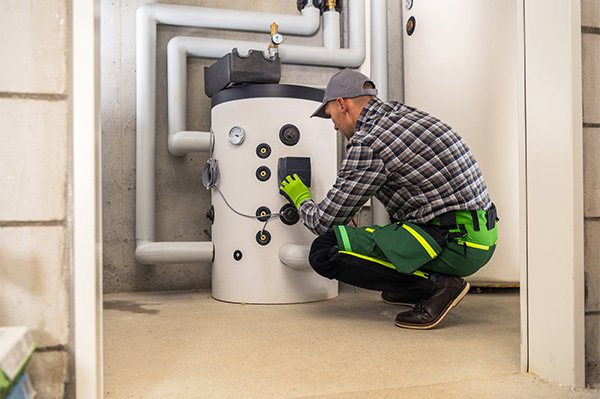
Many homeowners have never heard of the anode rod, but it’s one of the most important parts of a water heater.
This metal rod attracts corrosive minerals, preventing them from damaging the tank.
Without it, the tank begins to rust internally.
Eventually:
- Sediment increases
- Heating efficiency drops
- Water temperature becomes inconsistent
Anode Rod Function
The rod sacrifices itself to protect the tank. Over time it dissolves.
Anode Rod Lifespan
| Water Type | Replacement Time |
|---|---|
| Soft water | 5 years |
| Normal water | 3–5 years |
| Hard water | 2–3 years |
If the rod completely corrodes, tank damage accelerates.
Signs of a Worn Anode Rod
- Rust-colored water
- Rotten egg smell
- Decreased hot water quality
Inspection Process
- Turn off water heater.
- Locate the anode rod on top of the tank.
- Unscrew using a socket wrench.
- Inspect corrosion level.
If the rod is less than ½ inch thick, replace it.
Maintaining this part significantly extends heater life.
Cold Water Troubleshooting Flow Chart
Below is a simple troubleshooting sequence homeowners can follow.
| Step | Check | Possible Solution |
|---|---|---|
| Step 1 | No hot water at all | Check power or gas |
| Step 2 | Water lukewarm | Adjust thermostat |
| Step 3 | Hot water runs out fast | Flush tank |
| Step 4 | Temperature inconsistent | Inspect heating element |
| Step 5 | Strange smells or rust | Replace anode rod |
This sequence helps identify most common water heater issues.
Preventative Maintenance Schedule
Regular maintenance prevents most cold water problems.
| Task | Frequency |
|---|---|
| Flush tank | Every 6–12 months |
| Inspect anode rod | Every 2–3 years |
| Test thermostat | Once per year |
| Inspect heating elements | Every 2–3 years |
| Check pressure valve | Annually |
Following this schedule keeps the heater reliable for years.
Energy Efficiency Impact of Proper Maintenance
Many homeowners don’t realize that poor maintenance increases energy bills.
Sediment buildup and faulty elements force the heater to run longer.
Energy Loss Comparison
| Heater Condition | Energy Efficiency |
|---|---|
| Well maintained | 90–95% |
| Moderate buildup | 75–85% |
| Heavy sediment | 60–70% |
A poorly maintained heater may cost 30–40% more in electricity or gas.
When to Call a Professional
While many maintenance tasks are simple, some situations require expert help.
Call a technician if you notice:
- Water leaking from the tank
- Electrical burning smells
- Gas odor near heater
- Repeated circuit breaker trips
- Water heater older than 12–15 years
These issues could indicate serious mechanical failure.
Final Thoughts
Cold water problems can be frustrating, but they are rarely mysterious. In many cases, the solution lies in simple maintenance rather than expensive replacements.
By following these four powerful water heater maintenance hacks, homeowners can keep their systems working efficiently:
- Flush the tank regularly to remove sediment
- Adjust and monitor thermostat settings
- Inspect and replace heating elements when necessary
- Maintain the anode rod to prevent corrosion
These steps require minimal time but provide major benefits, including improved heating performance, lower energy costs, and a longer heater lifespan.
A well-maintained water heater delivers consistent hot water when you need it most—whether it’s for a relaxing shower, washing dishes, or doing laundry.
With just a little care, your water heater can continue working reliably for many years.
Frequently Asked Questions (FAQs)
1. Why does my water heater suddenly produce cold water?
This usually happens due to power supply problems, thermostat misadjustment, heating element failure, or sediment buildup in the tank.
2. How often should I flush my water heater?
Most experts recommend flushing the tank once every 6 to 12 months to remove mineral deposits and maintain heating efficiency.
3. What temperature should a water heater be set to?
The recommended temperature is 120°F (49°C) because it provides comfortable hot water while reducing energy consumption and burn risks.
4. How long does a typical water heater last?
Most traditional tank water heaters last 8–12 years, depending on maintenance, water quality, and usage.
5. Can sediment buildup damage the heater?
Yes. Heavy sediment can overheat the tank bottom, reduce efficiency, and eventually damage heating elements or the tank itself.
6. Is it safe to replace a heating element myself?
If you turn off electricity and follow proper safety steps, many homeowners can replace heating elements. However, if you are unsure, hiring a professional technician is recommended.
About the Author