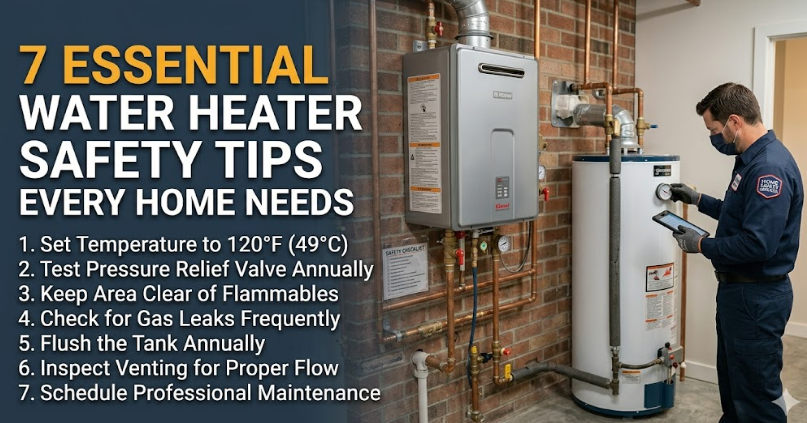
7 Essential Water Heater Safety Tips Every Home Needs
7 essential water heater safety tips every home needs
There is something quietly reassuring about hot water. You don’t think about it much—until it’s gone, or worse, until something goes wrong. A water heater sits in the background of daily life, humming along, storing energy, handling pressure, and doing its job without applause. But beneath that calm surface lies a powerful system that deserves attention and respect.
I didn’t always think about water heater safety. Like many homeowners, I assumed installation was enough and maintenance was optional. Over time, small incidents—unusual noises, inconsistent temperatures, and one alarming pressure release—taught me that safety is not a one-time setup. It’s a habit, a mindset, and a routine.
This article isn’t just a list of tips. It’s a deeper look into the everyday practices that can prevent accidents, extend your heater’s lifespan, and give you peace of mind. You’ll find practical advice, relatable insights, and small actions that make a big difference.
Let’s get into it.
understanding the quiet risks behind hot water
Water heaters combine heat, pressure, and electricity or gas. That alone should signal caution. Inside that tank, water is heated to high temperatures, and pressure builds naturally as the water expands. Modern systems are designed with safety mechanisms, but those mechanisms only work when they are maintained and respected.
Think of your water heater as a sealed container constantly under stress. If pressure builds too high or components fail, the results can range from minor leaks to severe damage. While explosions are rare, they are not impossible. More commonly, people face scalding injuries, gas leaks, or water damage due to neglected systems.
The good news is that most risks are preventable. A few consistent habits can dramatically reduce the chances of something going wrong.
tip 1: keep the temperature at a safe level
One of the simplest yet most overlooked safety measures is controlling the temperature setting. Many heaters come preset at higher temperatures than necessary, sometimes around 60°C (140°F). While that might seem efficient, it increases the risk of burns.
A safer range is around 49°C (120°F). At this level, the water is still comfortably hot but much less likely to cause serious burns on contact.
why this matters
Scalding can happen faster than you think. At 60°C, it takes only a few seconds to cause severe burns. At 49°C, you have significantly more reaction time. This is especially important in households with children or elderly individuals, whose skin is more sensitive.
a small habit that helps
Check your thermostat setting every few months. If your heater doesn’t display temperature clearly, consider marking your preferred setting once you find it.
tip 2: test the pressure relief valve regularly
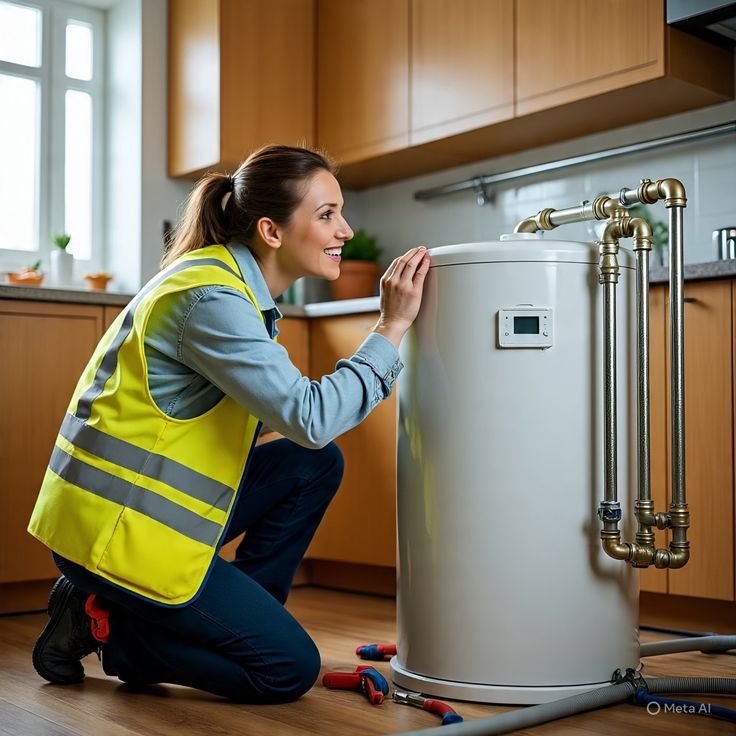
The temperature and pressure relief (T&P) valve is your heater’s safety escape hatch. It releases water when pressure or temperature exceeds safe limits, preventing the tank from becoming dangerous.
But here’s the catch: it only works if it’s functioning properly.
how to test it
Place a bucket under the discharge pipe. Gently lift the valve lever and let it snap back. You should hear a rush of water. If nothing happens or the valve doesn’t close properly afterward, it may need replacement.
why people skip this
It feels technical. It’s slightly inconvenient. And honestly, it’s easy to forget. But this simple test can prevent one of the most serious heater failures.
tip 3: flush the tank to remove sediment buildup
Over time, minerals from water settle at the bottom of the tank. This sediment layer hardens and creates a barrier between the heating element and the water.
what problems it causes
– overheating of the tank
– reduced efficiency
– strange rumbling noises
– increased pressure inside the tank
eventually, this buildup can weaken the tank and lead to leaks or failure.
how to flush
Turn off the heater, connect a hose to the drain valve, and let the water flow out until it runs clear. Doing this once or twice a year can significantly improve performance and safety.
a personal note
The first time I flushed my heater, I was surprised by how much debris came out. It wasn’t just dirty water—it was evidence of years of neglect. After that, flushing became part of my routine.
tip 4: check for leaks and corrosion
Water heaters rarely fail without warning. Small leaks, rust spots, or damp areas often appear first. The key is noticing them early.
what to look for
– water pooling around the base
– rust on the tank or connections
– damp insulation
– unusual smells
why it matters
A small leak can quickly turn into a major issue. Corrosion weakens the tank and can lead to sudden failure. In gas heaters, leaks can also indicate more serious risks.
build a habit
Take a quick look at your heater once a month. It takes less than a minute but can save you from costly repairs.
tip 5: ensure proper ventilation for gas heaters
If you have a gas water heater, ventilation is not optional—it’s essential. These systems produce combustion gases, including carbon monoxide, which must be safely vented बाहर of the home.
signs of poor ventilation
– soot buildup around the heater
– a yellow or flickering flame
– unusual odors
– frequent pilot light outages
why this is serious
Carbon monoxide is colorless and odorless. Without proper ventilation, it can accumulate and become life-threatening.
simple checks
Make sure the vent pipe is securely connected and free of blockages. Keep the area around the heater clear to allow proper airflow.
tip 6: install a drain pan and proper drainage
A drain pan sits under the water heater and collects leaks, directing water away from your home. It’s a simple addition that many homes still lack.
why it’s useful
Even a small leak can damage floors, walls, and nearby belongings. A drain pan provides an extra layer of protection.
what to consider
– ensure the pan is properly sized
– connect it to a drainage line
– check it occasionally for standing water
this isn’t just about safety—it’s about minimizing damage if something goes wrong.
tip 7: schedule professional inspections
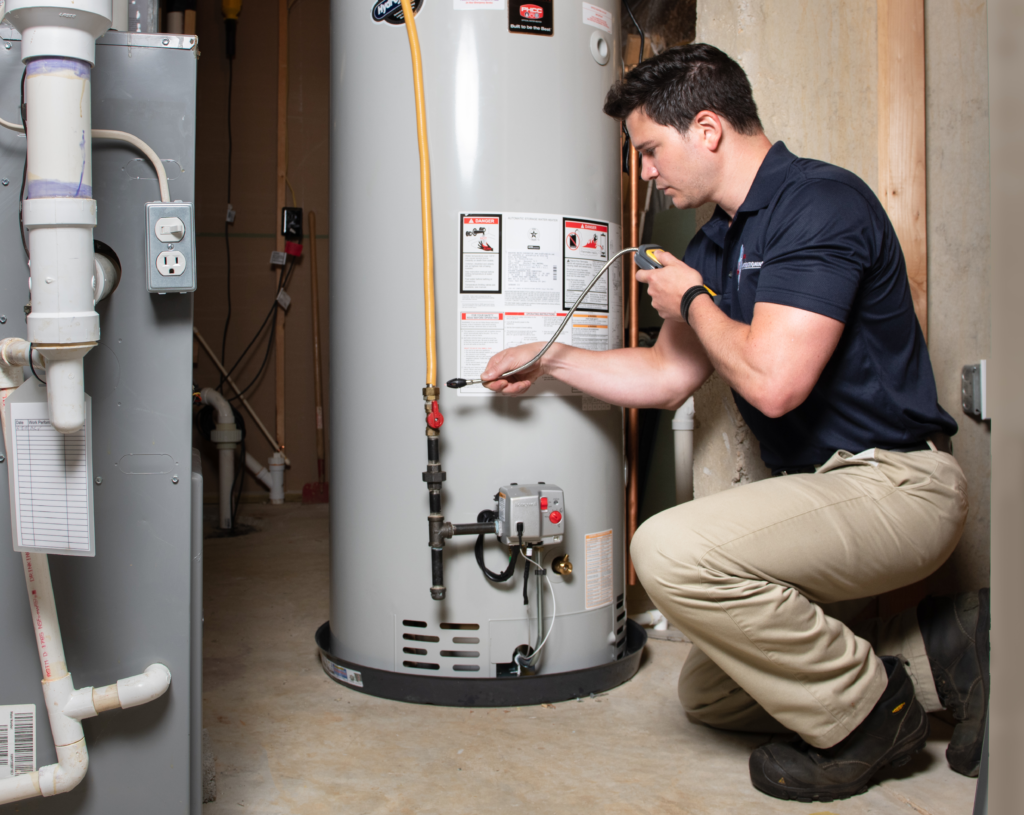
Some issues are not visible to the untrained eye. That’s where professional inspections come in. A qualified technician can identify worn parts, test safety mechanisms, and ensure everything is functioning correctly.
how often
Once a year is a good rule of thumb. If your heater is older, more frequent checks may be beneficial.
what they typically check
– heating elements or burners
– pressure levels
– valve functionality
– overall system condition
why it matters
Think of it like a health checkup. You might feel fine, but a professional can catch problems early.
beyond the tips: creating a safety mindset
Safety isn’t just about following steps—it’s about awareness. Once you start paying attention to your water heater, you begin to notice patterns.
You’ll recognize the normal sounds and detect when something feels off. You’ll understand how long it takes to heat water and notice changes in performance. This familiarity turns you from a passive user into an informed homeowner.
small routines that make a difference
– listen for unusual noises
– check the area for moisture
– monitor water temperature consistency
– keep the surrounding area clean and uncluttered
these actions don’t require expertise—just consistency.
common mistakes people make
ignoring warning signs
A strange noise or slight leak might seem harmless, but these are often early indicators of bigger problems.
setting the temperature too high
Higher temperatures don’t always mean better performance. They often mean higher risk.
skipping maintenance
Out of sight, out of mind. This is the biggest mistake. Regular care is what keeps the system safe.
trying complex repairs without knowledge
While some tasks are DIY-friendly, others require professional skills. Knowing the difference is crucial.
a brief reflection on responsibility
Owning a home comes with responsibilities that aren’t always visible. A water heater is one of those hidden systems that quietly supports daily life. Taking care of it isn’t just about avoiding inconvenience—it’s about protecting your home and the people in it.
The interesting thing is that safety doesn’t demand perfection. It asks for attention. A few minutes each month, a yearly check, and a willingness to act when something seems off—that’s enough to make a significant difference.
frequently asked questions
- how often should I replace my water heater?
Most water heaters last between 8 to 12 years. If yours is approaching this range and showing signs of wear, it might be time to consider a replacement. - is it safe to leave the water heater on all the time?
Yes, water heaters are designed to operate continuously. Turning them off frequently can actually reduce efficiency and increase wear. - what should I do if the pressure relief valve is leaking?
A leaking valve may indicate excessive pressure or a faulty valve. It’s best to have it inspected and replaced if necessary. - can sediment buildup really cause damage?
Yes, sediment can lead to overheating, reduced efficiency, and even tank failure over time. - do electric water heaters need ventilation?
No, electric heaters don’t produce combustion gases, so ventilation isn’t required. However, they still need proper space and clearance. - what’s the biggest safety risk with water heaters?
It depends on the type, but common risks include scalding, pressure buildup, and gas-related issues in gas heaters.
closing thoughts
Water heater safety isn’t complicated, but it is essential. It’s a combination of small habits, regular checks, and a bit of awareness. Once you incorporate these practices into your routine, they become second nature.
And the reward is simple: reliable hot water, fewer surprises, and a home that feels just a little bit safer every day.
About the Author