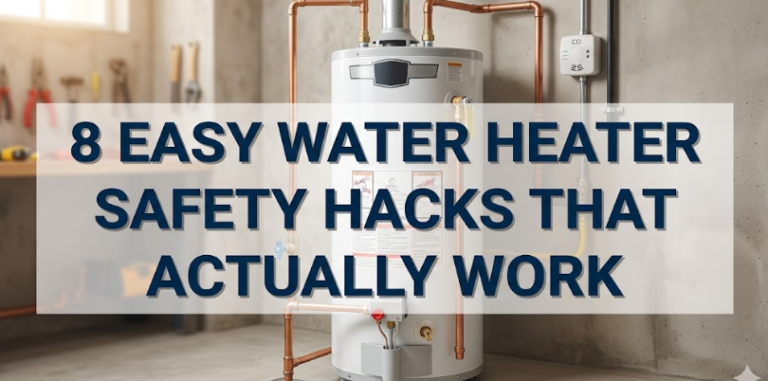
8 Easy Water Heater Safety Hacks That Actually Work
8 Easy Water Heater Safety Hacks That Actually Work
There’s something oddly comforting about a hot shower at the end of a long day. It’s one of those everyday luxuries we rarely think twice about—until something goes wrong. A sudden blast of cold water, an unusual noise from the tank, or worse, a leak spreading across the floor can quickly turn that comfort into stress.
Water heaters are one of those silent workers in our homes. They do their job quietly, day in and day out, often tucked away in a corner, a closet, or on the roof. But because they’re out of sight, they’re often out of mind. And that’s where problems begin.
Over time, I’ve learned that keeping a water heater safe isn’t about complicated tools or expensive upgrades. It’s about small, consistent habits—things anyone can do without being a technician. These eight safety hacks aren’t theoretical ideas; they’re practical, tried-and-tested steps that genuinely make a difference.
Let’s walk through them.
- Lower the temperature setting (and why it matters more than you think)
Most water heaters come pre-set at a higher temperature than necessary. It might feel nice to have extremely hot water, but it comes with hidden risks.
First, there’s the obvious one: scalding. Water above 60°C can cause burns in seconds, especially for children or older adults. But beyond that, excessive heat puts unnecessary stress on the system, accelerating wear and increasing energy consumption.
Lowering the thermostat to around 49–55°C creates a safer balance. It’s still hot enough for comfortable use, yet significantly reduces risk. You’ll also notice a drop in your energy bill over time.
A simple adjustment with a screwdriver or dial can make your home noticeably safer. It’s one of those changes you make once and benefit from every single day.
- Check the pressure relief valve regularly
The temperature and pressure relief (T&P) valve is like the safety guard of your water heater. If pressure or temperature rises beyond safe levels, this valve releases water to prevent a dangerous buildup.
But here’s the catch: it only works if it’s functioning properly.
Every few months, take a moment to test it. Place a bucket under the discharge pipe, lift the valve lever slightly, and let it snap back. You should hear a rush of water and then a clean stop.
If nothing happens, or if it keeps dripping afterward, that’s a sign it needs attention.
This small check takes less than a minute, yet it’s one of the most important safety habits you can develop. It’s not about expecting something to go wrong—it’s about being prepared if it does.
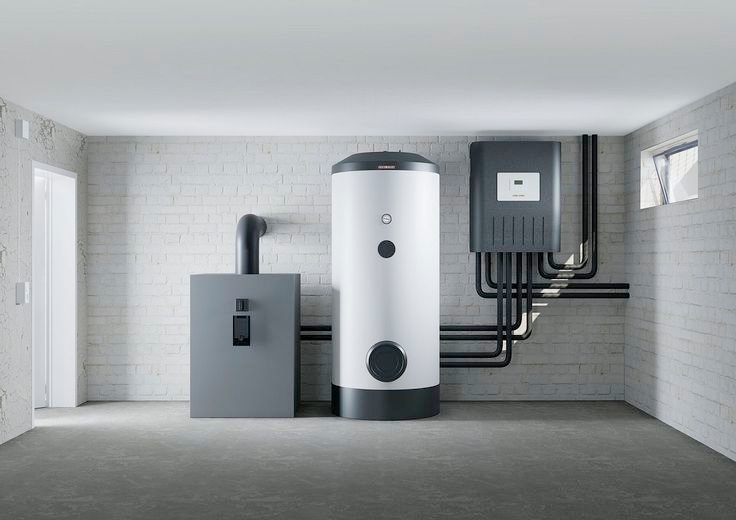
- Keep the area around the heater clear
It’s surprisingly common to see water heaters surrounded by storage boxes, cleaning supplies, or random household items. It seems harmless at first, but clutter can create multiple risks.
For gas heaters, nearby flammable materials can become a fire hazard. Even for electric units, restricted airflow can lead to overheating. And in case of maintenance or emergency, a cluttered space slows everything down.
Think of your water heater as needing its own breathing room. Keep at least a couple of feet of clearance around it. Avoid storing chemicals, paper, or anything combustible nearby.
A clean, open space doesn’t just improve safety—it also makes inspections and repairs far easier.
- Install a drain pan (even if you think you don’t need one)
Leaks don’t always announce themselves dramatically. Sometimes they start as slow drips, quietly damaging floors, walls, or ceilings before you even notice.
A drain pan sits underneath the water heater and collects any leaking water, directing it safely away through a pipe. It’s a simple addition, but incredibly effective.
If your heater is installed indoors or above living areas, a drain pan is especially important. It acts as an early warning system and a protective barrier at the same time.
You might never need it. But if you do, you’ll be glad it’s there.
- Flush the tank once or twice a year
Inside your water heater, minerals from the water slowly settle at the bottom of the tank. Over time, this sediment buildup can harden and create problems.
It reduces heating efficiency, causes strange noises, and can even lead to overheating. In some cases, it shortens the lifespan of the entire unit.
Flushing the tank helps remove this buildup. The process involves turning off the heater, connecting a hose to the drain valve, and letting the water run out until it’s clear.
The first time you do it, you might be surprised by what comes out. It’s not just water—it’s a mix of minerals, rust particles, and debris.
Doing this once or twice a year keeps the system running smoothly and safely. It’s a bit messy, but completely worth it.
- Inspect for leaks and corrosion regularly
You don’t need to be an expert to spot early warning signs. A quick visual check can tell you a lot about your water heater’s condition.
Look for:
– Rust around connections or the tank
– Water pooling at the base
– Dampness on pipes or fittings
– Unusual discoloration
These signs often start small. Catching them early can prevent bigger problems later.
Make it a habit to glance at your water heater every week or two. It takes seconds, but it builds awareness. Over time, you’ll know what “normal” looks like, making it easier to spot when something’s off.
- Use proper insulation for pipes and the tank
Heat loss isn’t just an efficiency issue—it’s also a safety concern. When your system has to work harder to maintain temperature, it increases strain and wear.
Insulating the tank and exposed pipes helps maintain consistent heat levels, reducing the workload on the heater. It also prevents pipes from getting too hot to touch, lowering the risk of accidental burns.
Pipe insulation is inexpensive and easy to install. Tank insulation blankets are also widely available and simple to wrap around the unit.
This hack sits at the intersection of safety, efficiency, and comfort. It’s a small investment with long-term benefits.
- Know when to call a professional
There’s a fine line between DIY maintenance and situations that require expert help. Knowing that line is part of staying safe.
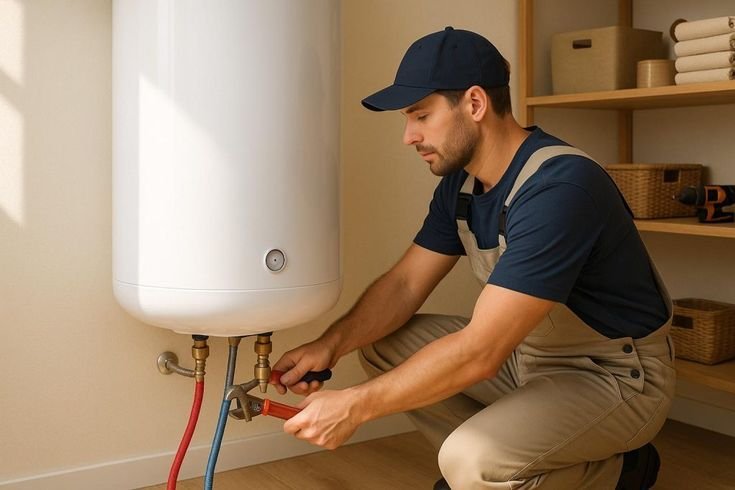
If you notice persistent leaks, strange smells (especially gas), inconsistent heating, or unusual noises that don’t go away after flushing, it’s time to step back and call a professional.
Trying to fix complex issues without proper knowledge can make things worse. Sometimes, the safest action is knowing when not to act.
Think of it this way: regular maintenance is your responsibility, but major repairs belong to someone trained for the job.
A few extra habits that quietly make a difference
Beyond the main hacks, there are smaller habits that add up over time.
Turn off the heater when leaving home for extended periods. This reduces risk and saves energy.
Listen to your heater. Sounds like popping or rumbling often signal sediment buildup.
Check the anode rod every few years. It helps prevent tank corrosion, acting as a sacrificial component.
These aren’t big tasks, but they contribute to a safer, longer-lasting system.
Why these hacks actually work
The reason these tips are effective isn’t because they’re complicated—it’s because they address the most common causes of water heater problems.
Overheating, pressure buildup, corrosion, sediment, and neglect. Almost every major issue traces back to one of these factors.
By taking simple steps to manage them, you reduce the chances of failure dramatically.
It’s not about perfection. It’s about consistency.
A final thought
A water heater doesn’t demand much attention, but it does deserve some. A few minutes every now and then can prevent hours of trouble later.
These hacks aren’t just about avoiding problems—they’re about creating peace of mind. Knowing that your system is running safely in the background makes everyday comfort feel even better.
And perhaps that’s the real goal. Not just hot water, but worry-free hot water.
FAQs
- How often should I check my water heater for safety?
A quick visual inspection every couple of weeks is enough. More detailed checks, like testing the pressure relief valve or flushing the tank, can be done every 6–12 months. - Is it dangerous if my water heater makes noise?
Not always, but it’s worth paying attention to. Popping or rumbling sounds usually indicate sediment buildup, which should be addressed through flushing. - What temperature is safest for a water heater?
A setting between 49–55°C is generally considered safe. It reduces the risk of burns while still providing comfortable hot water. - Do I really need a drain pan?
If your heater is indoors or above living spaces, a drain pan is highly recommended. It helps prevent water damage from leaks. - Can I flush the water heater myself?
Yes, most homeowners can do it with basic tools and precautions. However, if you’re unsure, it’s always okay to call a professional. - When should I replace my water heater?
Most units last around 8–12 years. If you notice frequent issues, leaks, or declining performance, it might be time to consider a replacement.
About the Author