
6 Proven Water Heater Safety Tips for Families
6 proven water heater safety tips for families
There’s a quiet machine in many homes that rarely gets attention until something goes wrong. It hums softly, tucked away in a corner, often hidden behind a door or installed on a rooftop. It doesn’t demand daily care, yet it plays a central role in everyday comfort—hot showers, clean dishes, warm water for laundry. That machine is the water heater.
For families, especially those with children or elderly members, water heater safety isn’t just a technical concern. It’s about protecting the rhythm of daily life, avoiding accidents, and ensuring that something so routine doesn’t become a source of danger. Over time, many households learn safety lessons the hard way—through unexpected leaks, burns, or sudden breakdowns.
This article explores six proven water heater safety tips, not just as a checklist, but as practical habits rooted in real-life experiences. These aren’t complicated or expensive solutions. They’re small, thoughtful actions that can make a lasting difference in keeping your home safe.
understanding why water heater safety matters
Before diving into the tips, it helps to understand the risks involved. A water heater deals with heat, pressure, electricity or gas—all elements that require respect. When something goes wrong, it can lead to:
– scalding injuries from excessively hot water
– gas leaks or carbon monoxide exposure in gas heaters
– electrical hazards in electric heaters
– tank ruptures due to pressure buildup
– water damage from leaks or corrosion
Families often assume that modern appliances are “set and forget.” While water heaters are designed with safety features, they still rely on proper use and basic maintenance. Ignoring them doesn’t usually cause immediate problems—but over time, small issues can grow into serious hazards.
tip 1: keep the thermostat at a safe temperature
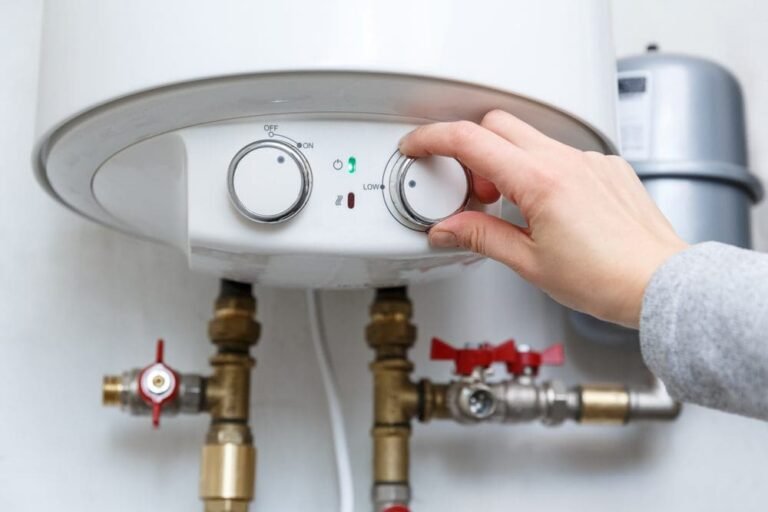
One of the simplest yet most effective safety measures is adjusting the water heater’s thermostat. Many heaters come pre-set at temperatures higher than necessary—sometimes around 60°C (140°F) or more. While that might seem ideal for hot showers, it significantly increases the risk of burns.
For families, especially with young children, a safer setting is around 49°C (120°F).
At this temperature:
– water is still hot enough for daily use
– the risk of scalding is greatly reduced
– energy consumption is lower
It’s surprising how quickly burns can occur. At 60°C, it can take just a few seconds to cause serious injury. At 49°C, the exposure time before injury increases significantly, giving you a margin of safety.
A small habit that helps is testing the water before use, especially for children. Even with a safe thermostat setting, occasional fluctuations can happen. Teaching kids to check water temperature with their hands before stepping in is a simple but powerful safety habit.
tip 2: install a pressure relief valve and test it regularly
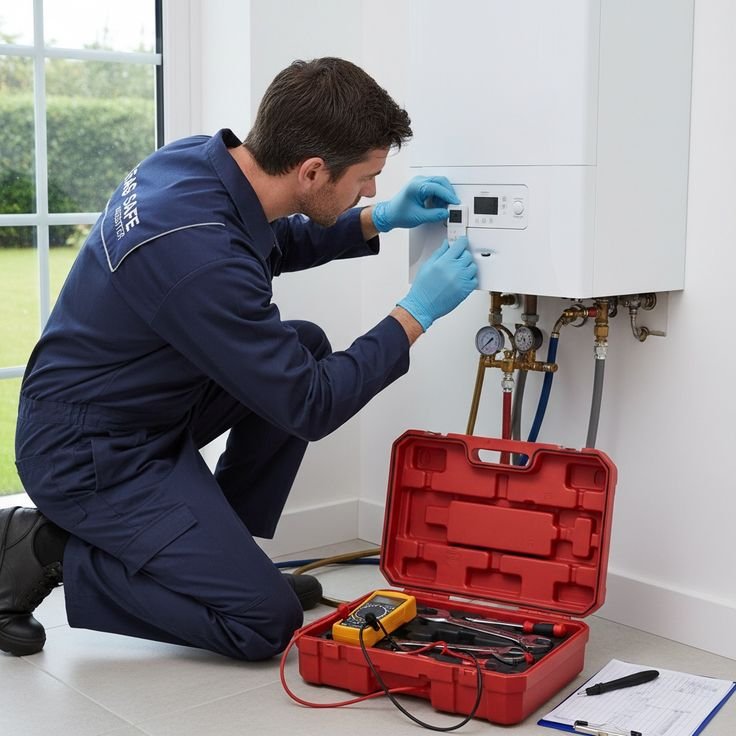
Every water heater should have a temperature and pressure relief valve (often called a T&P valve). This small component plays a critical role—it releases pressure if it builds up inside the tank, preventing explosions.
It’s easy to forget about this valve because it rarely activates under normal conditions. But that’s exactly why it needs attention.
Testing the valve once every few months is a good practice. The process is simple:
– place a bucket under the discharge pipe
– gently lift the valve lever
– allow some water to flow out
– release the lever and ensure it closes properly
If water doesn’t flow, or if the valve continues to leak afterward, it may need replacement.
Think of this valve as a silent guardian. It doesn’t demand much, but when needed, it can prevent catastrophic damage. Families that build this quick test into their routine often avoid issues that others don’t see coming.
tip 3: check for leaks and corrosion regularly
Water heaters don’t usually fail suddenly without warning. They give subtle signs—small leaks, rust-colored water, or unusual noises. The problem is that these signs are easy to ignore.
A monthly visual inspection can go a long way. You don’t need technical expertise. Just take a few minutes to look for:
– water pooling around the base
– rust on the tank or pipes
– dampness near connections
– unusual sounds like popping or rumbling
Leaks may start small, but they can lead to structural damage or mold growth if ignored. Corrosion, on the other hand, weakens the tank over time and can eventually cause it to burst.
For families, involving older children in simple inspections can be a useful learning experience. It teaches responsibility and awareness of household systems. Safety becomes a shared effort rather than a hidden task.
tip 4: ensure proper ventilation for gas water heaters
If your home uses a gas water heater, ventilation is critical. These heaters produce combustion gases, including carbon monoxide—a colorless, odorless gas that can be deadly in enclosed spaces.
Proper ventilation ensures that these gases are safely expelled outside.
Things to watch for include:
– blocked or disconnected vent pipes
– rusted or damaged flue systems
– signs of soot around the heater
– unusual smells or headaches when the heater is running
Installing a carbon monoxide detector near the water heater area adds an extra layer of protection. It’s a small device, but it can provide early warning before levels become dangerous.
Families often focus on visible risks, like hot surfaces or water leaks. But invisible hazards like gas buildup are just as important. Ventilation might not be something you think about daily, but ensuring it’s working properly can literally save lives.
tip 5: flush the tank to remove sediment buildup
Over time, minerals in water settle at the bottom of the tank, forming sediment. This buildup can affect efficiency, cause overheating, and even damage the tank.
Flushing the water heater once or twice a year helps remove this sediment.
The process typically involves:
– turning off the heater
– connecting a hose to the drain valve
– draining water from the tank
– refilling it after flushing
While it might sound technical, many homeowners learn to do it with basic guidance. If you’re unsure, a professional can handle it quickly.
Why does this matter for safety?
Sediment can trap heat at the bottom of the tank, causing it to overheat. This not only reduces efficiency but also increases pressure inside the tank. Over time, it can contribute to cracks or leaks.
Families that adopt this habit often notice quieter operation and more consistent water temperature. It’s one of those tasks that doesn’t feel urgent—but pays off in the long run.
tip 6: keep the area around the heater clear and accessible
Water heaters are often placed in storage areas, garages, or utility rooms. Over time, these spaces can become cluttered with boxes, tools, or household items.
Keeping the area around the heater clear is more important than it seems.
Clutter can:
– block ventilation
– increase fire risk (especially near gas heaters)
– make inspections or repairs difficult
– hide leaks or warning signs
A simple rule is to maintain at least a couple of feet of clearance around the heater. This makes it easier to access and reduces potential hazards.
For families, this also means teaching children not to play near the heater or treat the area as a storage corner. Creating a “no clutter zone” around the heater is a small but effective safety boundary.
building a family safety routine
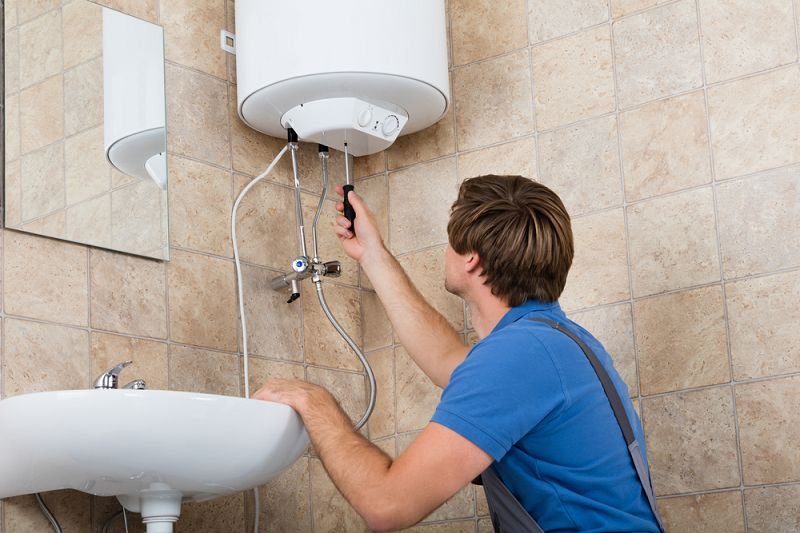
Safety isn’t just about individual actions—it’s about consistency. The most effective households are not the ones that do everything perfectly once, but those that build small habits into their routine.
Here’s an example of a simple family-friendly routine:
– monthly: quick visual inspection for leaks or rust
– every 3 months: test the pressure relief valve
– twice a year: flush the tank
– yearly: professional inspection (if possible)
You don’t need a complicated system. Even a reminder on your phone or a note on the fridge can help keep things on track.
What makes this approach effective is that it spreads responsibility. Instead of one person carrying the burden, everyone becomes aware of the basics. Safety becomes part of the household culture.
common mistakes families make
Even with good intentions, some common mistakes can reduce water heater safety:
– ignoring unusual noises or smells
– delaying minor repairs
– setting the temperature too high
– skipping regular maintenance
– overcrowding the heater area
These mistakes don’t always cause immediate problems, which is why they persist. But over time, they increase risk.
Recognizing these patterns is the first step toward avoiding them.
when to call a professional
While many safety checks can be done at home, some situations require professional help:
– persistent leaks
– faulty pressure relief valve
– gas smell or suspected carbon monoxide issues
– inconsistent water temperature
– visible damage to the tank or pipes
Trying to fix complex issues without proper knowledge can make things worse. Knowing when to step back and call an expert is part of being responsible.
a quiet system that deserves attention
Water heaters don’t ask for much. They work quietly in the background, supporting daily life without drawing attention. But that’s exactly why they’re easy to overlook.
For families, taking a few simple steps can turn this overlooked appliance into a safe and reliable part of the home. The goal isn’t perfection—it’s awareness and consistency.
By adjusting the thermostat, checking for leaks, ensuring ventilation, and keeping the area clear, you create a safer environment without major effort. These habits don’t take much time, but they build a strong foundation of safety.
And perhaps the most important part is this: when safety becomes routine, it stops feeling like a chore. It becomes just another part of caring for your home and the people in it.
frequently asked questions
- what is the safest temperature setting for a water heater in a family home?
A temperature of around 49°C (120°F) is generally considered safe. It reduces the risk of burns while still providing enough hot water for daily use. - how often should a water heater be checked for safety?
A quick visual inspection once a month is a good habit. More detailed checks, like testing the pressure relief valve, can be done every few months. - is it necessary to flush the water heater every year?
Yes, flushing once or twice a year helps remove sediment buildup, improves efficiency, and reduces the risk of overheating or damage. - what are the signs that a water heater might be unsafe?
Common warning signs include leaks, rust, unusual noises, inconsistent water temperature, or a gas smell (for gas heaters). - can children be at risk around water heaters?
Yes, especially due to hot water burns. Keeping the temperature safe and teaching children to test water before use can reduce risks. - do electric water heaters need ventilation like gas heaters?
No, electric water heaters don’t produce combustion gases, so they don’t require ventilation. However, they still need proper installation and regular safety checks.
By staying attentive and building small habits, families can enjoy the comfort of hot water without unnecessary risks. Safety doesn’t require complexity—just a bit of awareness and consistency.
About the Author