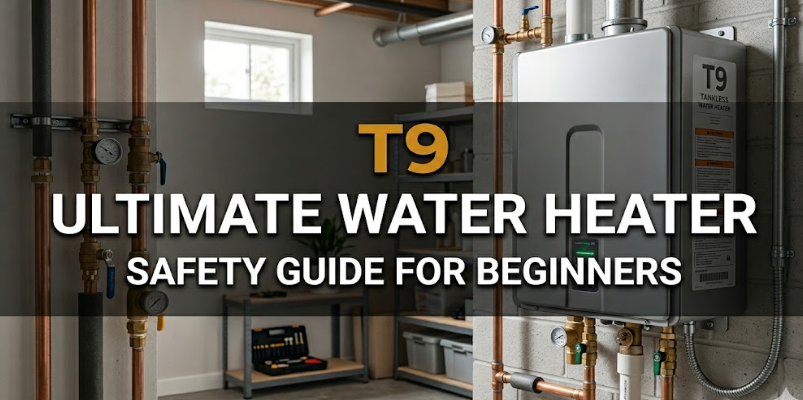
9 Ultimate Water Heater Safety Guide for Beginners
9 Ultimate Water Heater Safety Guide for Beginners
There’s something deceptively simple about a water heater. It sits quietly in a corner, often ignored, yet it plays a critical role in daily comfort—hot showers, clean dishes, warm water on demand. Most beginners assume it’s a “set it and forget it” appliance. That assumption, while common, can be risky.
I remember the first time I paid attention to my own water heater. It wasn’t because I wanted to—it was because I had to. A faint hissing noise, a slightly odd smell, and suddenly I realized I had no idea how this thing actually worked or how to keep it safe. That moment sparked a deeper curiosity, and over time, I discovered that safety isn’t complicated—it’s just often overlooked.
This guide isn’t just a list of rules. It’s a practical, experience-driven walkthrough designed to help beginners understand not only what to do, but why it matters. Because once you understand the reasoning behind safety habits, they become second nature.
- Understanding your water heater before touching anything
Before doing anything—cleaning, adjusting, or inspecting—you need to understand what you’re dealing with. Not all water heaters are the same. Some run on electricity, others on gas. Each type comes with its own safety considerations.
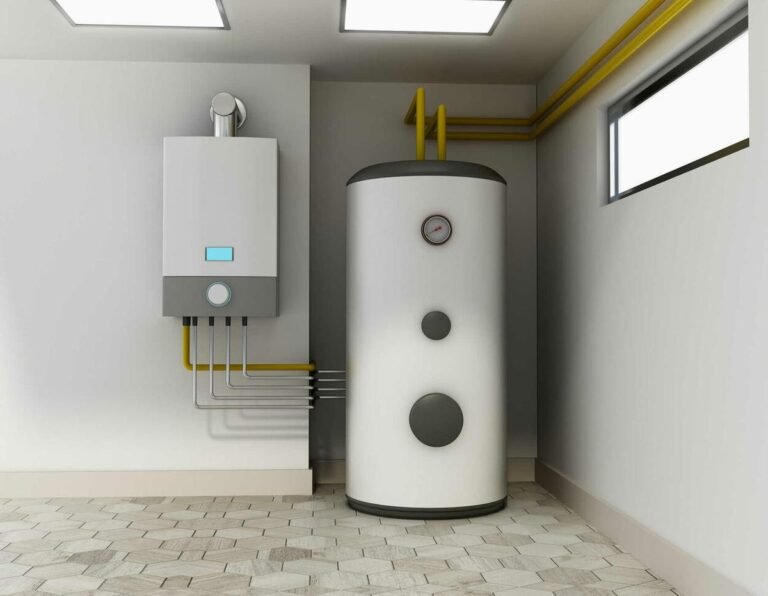
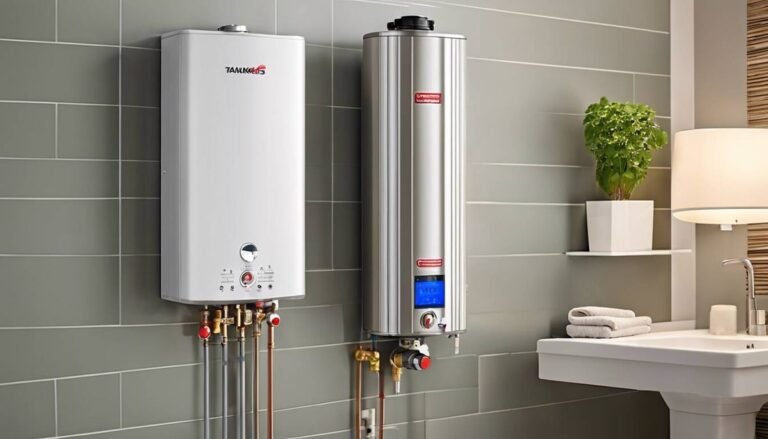
Electric water heaters rely on heating elements inside the tank. Gas heaters, on the other hand, use a burner and produce combustion gases that must be vented properly. This single difference changes everything about how you approach safety.
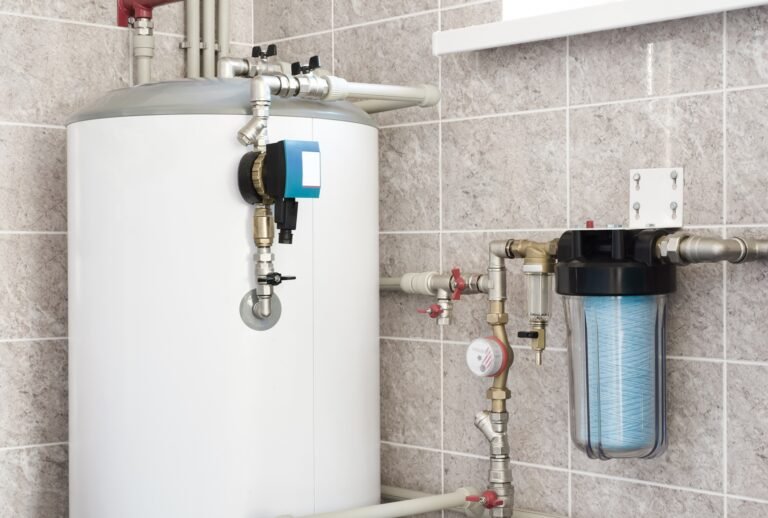
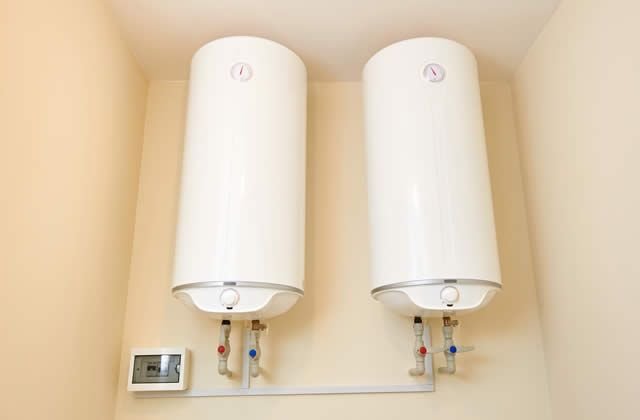
Spend a few minutes locating the basics:
- Power source (breaker or gas valve)
- Temperature control
- Pressure relief valve
- Drain valve
Think of this as mapping your environment. You wouldn’t drive a car without knowing where the brakes are. The same logic applies here.
A beginner mistake is jumping straight into maintenance without this awareness. That’s where accidents happen—not from complexity, but from unfamiliarity.
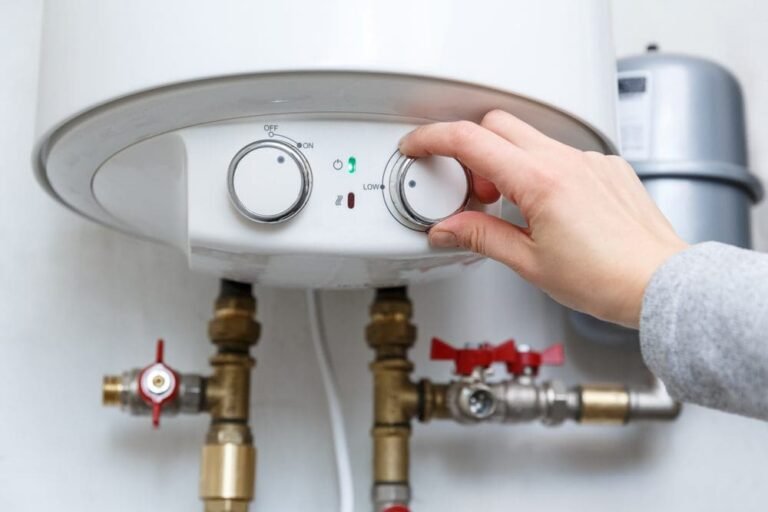
- The importance of temperature settings (and why hotter isn’t better)
Many people assume hotter water equals better performance. It feels logical—until it becomes dangerous.
Water heaters are often set too high. Temperatures above 60°C (140°F) can cause scalding within seconds. For households with children or elderly individuals, the risk increases significantly.
A safer range is around 49°C (120°F). This temperature is hot enough for daily use but reduces the chance of burns.
There’s also a hidden benefit: energy efficiency. Lower temperatures reduce energy consumption and extend the life of your heater.
A simple habit:
Check your temperature setting once every few months. Don’t just set it and forget it forever. Seasonal changes and usage patterns can influence what’s ideal.
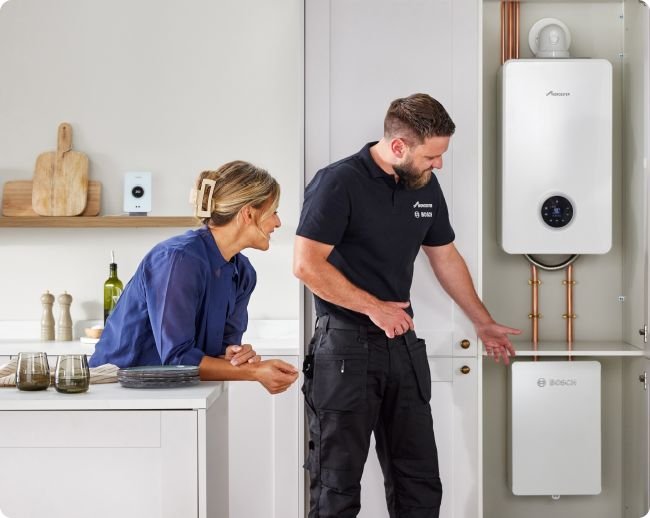
- Pressure relief valve: the small component that prevents big disasters
If there’s one part of a water heater that deserves your attention, it’s the pressure relief valve.
This valve releases pressure if it builds up inside the tank. Without it, excessive pressure could lead to tank rupture—or in extreme cases, explosion.
That sounds dramatic, but it’s not theoretical. It’s physics.
Testing the valve is simple:
- Place a container under the discharge pipe
- Lift the valve lever briefly
- Ensure water flows and stops when released
If nothing happens, or if it continues leaking afterward, it needs attention.
Many beginners ignore this component because it looks insignificant. But safety often hides in small details.
- Regular inspection: noticing problems before they escalate
You don’t need to be a technician to spot early warning signs. Most issues give subtle hints before turning serious.
Pay attention to:
- Unusual noises (popping, rumbling)
- Rusty or discolored water
- Water pooling around the base
- Sudden changes in heating performance
These signs are like whispers. Ignore them, and they become louder problems.
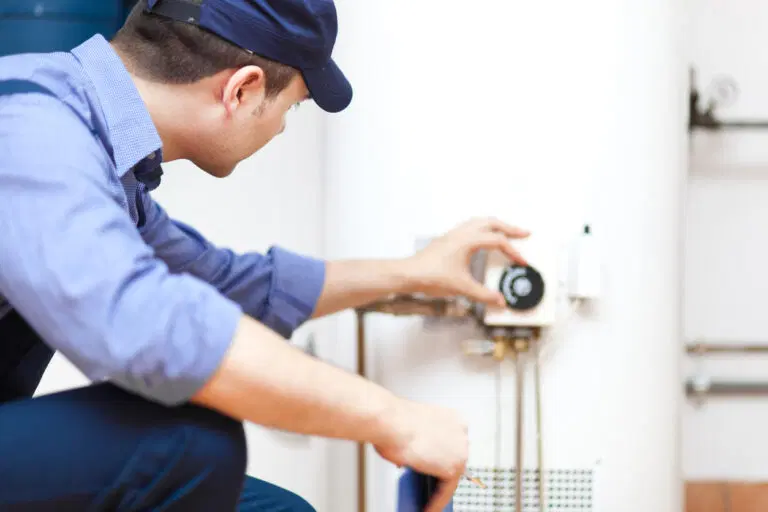
A monthly visual check takes less than five minutes. Walk up to your heater, look around, listen briefly. That’s it.
Consistency matters more than expertise here.
- Flushing the tank: preventing sediment buildup
Over time, minerals from water settle at the bottom of the tank. This sediment layer reduces efficiency and can cause overheating.
Flushing removes this buildup.
Basic process:
- Turn off power or gas supply
- Allow water to cool
- Attach a hose to the drain valve
- Let water flow out until clear
For beginners, the idea of draining a tank might feel intimidating. But once you’ve done it once, it becomes routine.
Think of it like cleaning a kettle. You don’t wait until it stops working—you maintain it to prevent that point.
- Gas heater safety: ventilation and leak awareness
If your heater uses gas, safety expands beyond the unit itself.
Proper ventilation is critical. Combustion produces gases like carbon monoxide, which must be safely vented outside.
Check that:
- The vent pipe is securely connected
- There are no blockages or corrosion
- The area around the heater is well-ventilated
Another key habit is being aware of gas leaks.
If you smell gas:
- Do not ignite anything
- Do not use electrical switches
- Turn off the gas supply if possible
- Leave the area and seek professional help
Gas safety isn’t about fear—it’s about awareness and quick response.
- Electrical safety: respecting power connections
Electric water heaters might seem safer because there’s no flame involved, but electricity brings its own risks.
Always turn off power at the breaker before performing any maintenance.
Avoid:
- Touching electrical components with wet hands
- Using damaged wiring
- Ignoring tripped breakers
If your breaker trips repeatedly, it’s a signal, not an inconvenience. Something needs inspection.
Electricity doesn’t give second chances in the same way mechanical issues might.
- Keeping the surrounding area safe and clear
It’s easy to treat the space around a water heater as storage. Boxes, cleaning supplies, random tools—it all ends up there.
This habit can create hazards.
For gas heaters, flammable materials nearby increase fire risk. For all types, clutter restricts airflow and makes inspection harder.
Maintain a clear zone:
- At least a few feet of open space
- No flammable liquids nearby
- Easy access to controls and valves
A clean environment supports safe operation. It’s a simple change with a big impact.
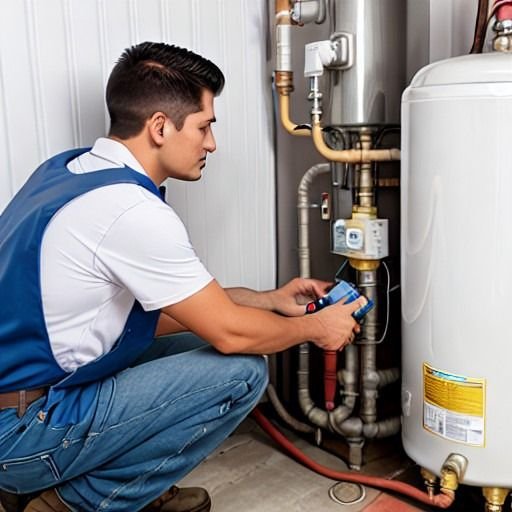
- Knowing when to call a professional
There’s a fine line between responsible DIY and risky overconfidence.
You can handle basic tasks—inspection, flushing, temperature adjustment. But certain situations require professional expertise:
- Persistent leaks
- Gas-related issues
- Electrical faults
- Internal component failure
Calling a professional isn’t a failure—it’s a smart decision.
Think of it this way: safety isn’t about doing everything yourself. It’s about making the right choice at the right time.
Bringing it all together
Safety isn’t a single action. It’s a collection of small habits repeated over time.
When you:
- Understand your system
- Monitor temperature
- Test safety components
- Stay alert to warning signs
- Maintain cleanliness and space
You reduce risk dramatically.
The goal isn’t perfection. It’s awareness.
A water heater doesn’t demand constant attention. But it does require occasional respect. And when you give it that, it quietly returns the favor—day after day, year after year.
Frequently Asked Questions (FAQs)
- How often should I check my water heater for safety?
A quick visual inspection once a month is enough for most households. More detailed maintenance, like flushing the tank, can be done once or twice a year depending on water quality.
- What is the safest temperature setting for a water heater?
Around 49°C (120°F) is considered safe for most homes. It prevents scalding while still providing sufficient hot water for daily use.
- Is it dangerous if my water heater makes noise?
Not always, but it shouldn’t be ignored. Rumbling or popping often indicates sediment buildup, which can reduce efficiency and cause overheating if left unaddressed.
- Can I flush the water heater myself as a beginner?
Yes, as long as you follow basic safety steps like turning off power or gas and allowing the water to cool. If you’re unsure, watching a demonstration or consulting a professional once can help build confidence.
- What should I do if I smell gas near my water heater?
Leave the area immediately, avoid using electrical switches or flames, and contact a professional or gas service provider. Safety comes first.
- When should I replace my water heater instead of repairing it?
If the unit is over 8–12 years old, frequently breaks down, or shows signs of internal corrosion, replacement is often more practical and safer than repeated repairs.
—
A beginner doesn’t need to know everything. But knowing the right things—that’s what keeps a simple appliance from becoming a serious problem.
About the Author