5 Personal Water Heater Safety Lessons I Learned the Hard Way
5 Personal Water Heater Safety Lessons I Learned the Hard Way
There’s something oddly comforting about hot water. You don’t really think about it—until it’s gone, or worse, until it becomes a source of danger. For years, I treated my water heater like an invisible servant: always working, never needing attention. That assumption cost me time, money, and a few genuinely frightening moments I wish I could undo.
This isn’t a technical manual. It’s a lived experience—five lessons I learned the hard way, through small mistakes, near-misses, and one situation that could have gone very wrong. If you’ve ever ignored a strange noise, postponed a maintenance check, or assumed “it’s probably fine,” this might feel uncomfortably familiar.
lesson one: ignoring small warning signs can lead to big problems
The first time I heard the noise, it sounded like someone tapping lightly inside the tank. Not loud. Not alarming. Just… unusual.
I remember standing in the laundry area, head tilted, listening. The sound came and went. I shrugged it off. “Probably normal,” I told myself. After all, machines make noise, right?
Weeks passed. The tapping turned into a low rumble. Then occasional popping sounds. Still, I did nothing.
One morning, I turned on the hot water tap and noticed something odd. The water wasn’t as hot as usual. It fluctuated—hot, then lukewarm, then briefly hot again. That was the first time I felt a flicker of concern.
But life gets busy. Small problems get postponed.
Until the day the heater shut off completely.
When a technician finally inspected it, the verdict was simple: sediment buildup. Over time, minerals had settled at the bottom of the tank, hardening into a layer that interfered with heating. The noises I ignored? That was the sound of water trapped beneath the sediment, bubbling and struggling to escape.
What I didn’t realize then was that this wasn’t just about efficiency. Excess sediment can cause overheating, damage internal components, and in extreme cases, create pressure issues.
The lesson wasn’t just “fix it sooner.” It was deeper than that.
Small signals matter. Machines rarely fail without warning. We just choose not to listen.
A simple yearly flush could have prevented everything. Instead, I paid for repairs, dealt with cold showers, and learned to take unusual sounds seriously.
lesson two: pressure is invisible—but dangerous
If you asked me a few years ago what the most dangerous part of a water heater was, I probably would have guessed the heating element or the gas supply.
I wouldn’t have said pressure.
That changed one afternoon when I noticed water pooling beneath the tank. Not a flood. Just a small, steady leak.
At first, I thought it was a loose connection. Maybe a worn-out pipe fitting. Something minor.
But when I touched the relief valve pipe, it was warm—and slightly damp.
That’s when I learned about the temperature and pressure relief valve (often called the T&P valve). It’s a safety device designed to release pressure if it builds up too much inside the tank.
In my case, it was doing its job. Quietly preventing something far worse.
The technician explained it plainly: if pressure continues to rise and the valve fails or is blocked, the tank can rupture. In extreme situations, it can even explode.
That word stuck with me.
Explode.
I had walked past that heater hundreds of times, never once thinking it could pose that kind of risk.
The issue turned out to be a faulty valve combined with rising internal pressure. Nothing catastrophic had happened—but it could have.
Since then, I make it a habit to check that valve periodically. Not obsessively, but attentively. I also make sure the discharge pipe is unobstructed and properly directed.
Pressure doesn’t announce itself loudly. It builds quietly, invisibly. And when it reaches a breaking point, the consequences can be sudden.
Ignoring it isn’t just careless. It’s dangerous.
lesson three: improper installation is a silent hazard
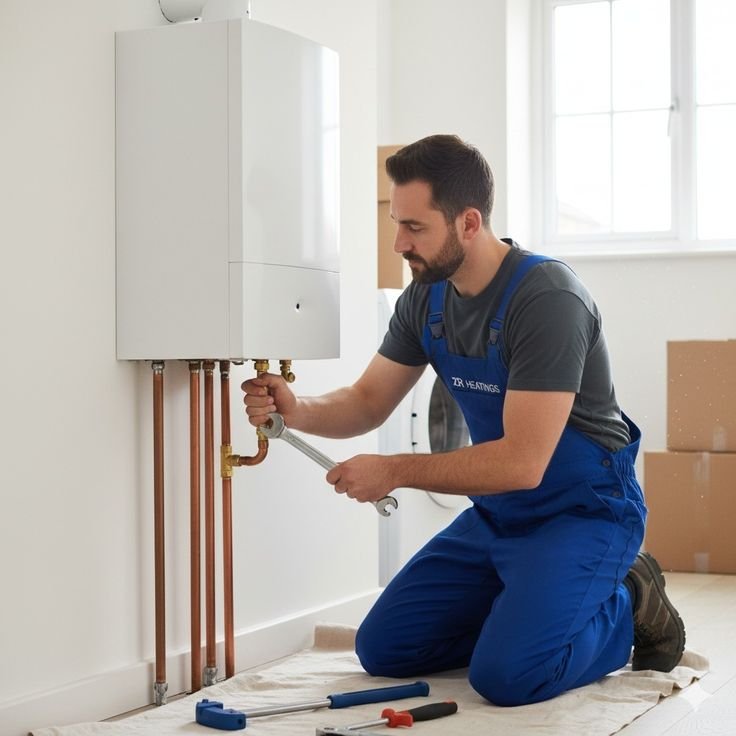
When I moved into my current home, the water heater was already installed. It looked fine. It worked fine. So I assumed it was fine.
That assumption lasted until a routine inspection revealed something I hadn’t noticed—and probably never would have.
The heater wasn’t properly grounded.
At first, that didn’t mean much to me. I’m not an electrician. But the explanation was sobering.
Improper grounding can increase the risk of electrical shock. In some situations, it can even contribute to fire hazards, especially if combined with faulty wiring or moisture exposure.
Suddenly, the “fine” heater didn’t feel so fine anymore.
What struck me most wasn’t just the issue itself—it was how invisible it was. There were no warning signs. No noises. No leaks. Nothing to suggest a problem.
That’s the danger with installation errors. They don’t always reveal themselves through obvious symptoms.
I also learned that clearances matter. Ventilation matters. Placement matters. A heater installed too close to flammable materials, or without proper airflow, can create risks that build over time.
Since then, I’ve stopped assuming that “working” means “safe.”
If you didn’t install it yourself—or even if you did—it’s worth having a professional check it. Not because something is obviously wrong, but because some problems don’t announce themselves until it’s too late.
lesson four: neglecting maintenance is more expensive than doing it
I used to think of maintenance as optional. Something you do when you have time. Or when something starts to feel off.
That mindset changed after one particularly frustrating winter.
The hot water started running out faster than usual. Showers had to be shorter. The kitchen tap lost its consistency. It wasn’t a total failure—but it was enough to be annoying.
I decided to ignore it for a while. “It’s still working,” I reasoned.
Eventually, the heater gave up completely.
This time, the problem wasn’t just sediment. It was a worn-out anode rod—a component designed to prevent the tank from rusting.
I hadn’t even heard of it before.
The technician explained that the anode rod sacrifices itself over time, attracting corrosive elements so the tank doesn’t. Once it’s depleted, the tank itself starts to corrode.
Replacing the rod is relatively inexpensive. Replacing the entire heater is not.
Guess which one I ended up paying for?
That experience shifted my perspective entirely. Maintenance isn’t just about preventing inconvenience—it’s about extending the life of the appliance and avoiding costly replacements.
Now, I treat maintenance like an investment rather than a chore. Flushing the tank, checking the anode rod, inspecting valves—these aren’t optional tasks anymore.
They’re part of responsible ownership.
lesson five: complacency is the real risk
If there’s one thread connecting all these lessons, it’s this: complacency.
Not negligence. Not recklessness. Just quiet, everyday complacency.
The belief that things will keep working because they always have.
The assumption that problems will be obvious.
The habit of postponing small tasks because they don’t feel urgent.
Each of my mistakes came from that mindset. I didn’t ignore the heater out of carelessness—I ignored it because it seemed unimportant.
Until it wasn’t.
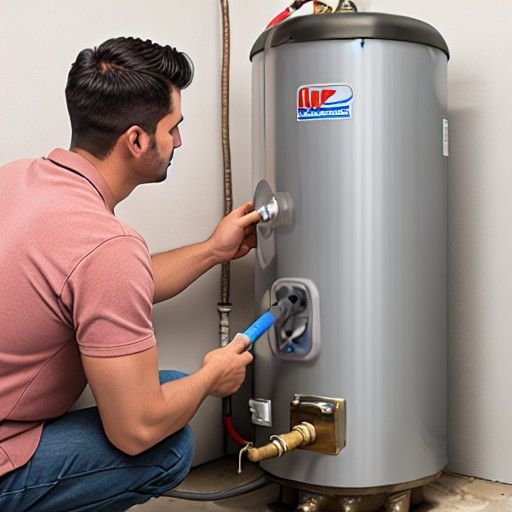
One of the most sobering moments came late at night, when I noticed a faint smell near the heater. It wasn’t strong. Just enough to catch my attention.
This time, I didn’t ignore it.
I turned everything off and had it checked the next day. It turned out to be a minor gas leak—small, but significant enough to require immediate repair.
Had I dismissed it like I had the earlier noises, the outcome could have been very different.
That was the moment everything clicked.
Safety isn’t about reacting to disasters. It’s about preventing them. And prevention requires attention—consistent, sometimes inconvenient attention.
what these lessons changed in my routine
Experience doesn’t just teach—it reshapes behavior.
Today, my approach to water heater safety is simple but deliberate:
I listen. Any unusual sound gets my attention.
I look. Small leaks, rust, or discoloration aren’t ignored.
I schedule. Basic maintenance isn’t postponed indefinitely.
I verify. Installations and repairs are checked, not assumed.
I act. If something feels off, I don’t wait for it to get worse.
None of this is complicated. But it requires a shift in mindset—from passive use to active awareness.
The heater is no longer invisible to me. It’s part of the home that deserves occasional attention, just like anything else that operates under pressure, heat, and time.
closing reflection
If you had asked me years ago what I knew about water heater safety, I probably would have given you a vague answer about “not touching hot pipes” or “turning it off if something goes wrong.”
Now, I understand that safety isn’t a single action. It’s a collection of habits, decisions, and awareness.
Most of the risks associated with water heaters don’t come from dramatic failures. They come from small issues that go unnoticed—or unaddressed—for too long.
The good news is that most of them are preventable.
Not through expertise or expensive upgrades, but through attention.
The kind of attention we often reserve for things that already seem important.
Maybe it’s time to include the water heater in that category.
frequently asked questions
- how often should a water heater be flushed
Ideally, once a year. If you live in an area with hard water, you might need to do it more frequently. Regular flushing helps remove sediment buildup and keeps the heater running efficiently. - what are the signs that a water heater is becoming unsafe
Common warning signs include unusual noises (popping or rumbling), inconsistent water temperature, visible leaks, rust-colored water, and any strange smells near the unit. These shouldn’t be ignored. - is it necessary to check the pressure relief valve regularly
Yes, it’s an important safety feature. Periodically testing it ensures it can release excess pressure if needed. If it’s leaking or not functioning properly, it should be replaced. - how long does a typical water heater last
Most traditional tank water heaters last between 8 to 12 years. Regular maintenance can extend this lifespan, while neglect can shorten it significantly. - can i perform water heater maintenance myself
Some basic tasks, like flushing the tank or visually inspecting for leaks, can be done by homeowners. However, for anything involving gas, electrical components, or internal parts, it’s safer to consult a professional. - what should i do if i suspect a gas leak near my water heater
Turn off the gas supply immediately, avoid using electrical switches, ventilate the area, and contact a professional technician or emergency service. Even a small leak can be dangerous if left unchecked.
About the Author