4 Essential Water Heater Maintenance and Care Guide Safety Mistakes to Avoid
4 Essential Water Heater Maintenance and Care Guide Safety Mistakes to Avoid
Hot water is something most homeowners take for granted—until the water heater stops working or becomes a safety hazard. Whether you rely on a gas water heater or an electric model, regular maintenance is crucial for safety, efficiency, and long-term performance.
Unfortunately, many homeowners unintentionally make mistakes when maintaining their water heaters. Some of these mistakes may seem harmless but can lead to dangerous problems such as gas leaks, electrical hazards, tank explosions, or expensive repairs.
This comprehensive Water Heater Maintenance and Care Guide highlights four essential safety mistakes to avoid. Understanding these common errors will help protect your home, reduce energy bills, and extend the life of your water heater.
Why Water Heater Safety Matters
Water heaters combine high temperature, pressure, electricity, or gas, which means they can become dangerous if neglected.
Poor maintenance may cause:
- Pressure buildup
- Gas leakage
- Electrical shorts
- Carbon monoxide exposure
- Tank corrosion and rupture
- Unexpected cold water problems
Regular care and safe practices can reduce these risks significantly.
Quick Overview of the 4 Safety Mistakes
| Mistake Number | Safety Mistake | Main Risk |
|---|---|---|
| 1 | Ignoring Pressure Relief Valve | Tank explosion risk |
| 2 | Skipping Tank Flushing | Sediment buildup & overheating |
| 3 | Incorrect Temperature Settings | Burns or bacterial growth |
| 4 | Neglecting Leak Inspections | Structural damage & system failure |
Each of these mistakes may seem small, but together they represent the most common safety hazards in household water heaters.
Mistake #1: Ignoring the Temperature and Pressure Relief Valve
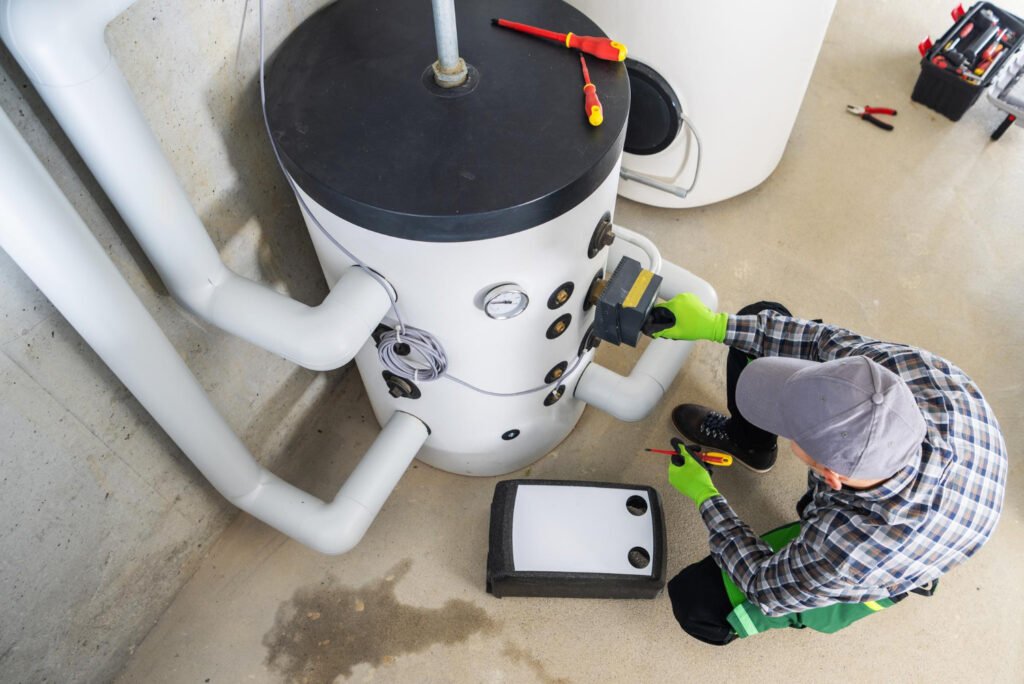
One of the most critical components of a water heater is the Temperature and Pressure Relief (T&P) Valve. This valve prevents dangerous pressure buildup inside the tank.
Unfortunately, many homeowners never check it.
What the T&P Valve Does
The valve automatically releases water if:
- Temperature exceeds safe limits
- Pressure becomes too high
Without this valve functioning properly, the tank can become extremely dangerous.
What Happens If the Valve Fails
If the T&P valve stops working, pressure inside the tank may continue rising.
Possible outcomes include:
- Tank rupture
- Water heater explosion
- Serious property damage
- Severe injury
Although rare, water heater explosions have occurred due to faulty safety valves.
How to Test the Valve Safely
Testing the valve once or twice a year is recommended.
Steps
- Turn off power or gas supply
- Place a bucket under the discharge pipe
- Lift the valve lever briefly
- Allow water to release
- Release the lever and ensure it closes properly
If water does not flow, or if it continues dripping, the valve may need replacement.
T&P Valve Testing Schedule
| Maintenance Task | Recommended Frequency |
|---|---|
| Quick visual inspection | Monthly |
| Manual pressure test | Every 6 months |
| Professional inspection | Once per year |
Mistake #2: Skipping Tank Flushing
Sediment buildup is one of the most common causes of water heater problems.
Over time, minerals from hard water settle at the bottom of the tank.
This sediment layer can cause several issues.
Why Sediment Is Dangerous
Sediment buildup can lead to:
- Overheating
- Reduced heating efficiency
- Strange noises from the tank
- Premature tank failure
In extreme cases, the heating element may become buried in sediment and burn out.
Signs Your Tank Needs Flushing
Watch for these warning signs:
- Popping or rumbling sounds
- Reduced hot water supply
- Cloudy water
- Increased energy bills
- Slow heating times
Annual Tank Flushing Process
Flushing removes sediment and improves performance.
Basic Steps
- Turn off power or gas
- Shut off water supply
- Connect hose to drain valve
- Drain water from tank
- Flush fresh water through system
- Refill and restart heater
If you are unsure, hiring a professional technician is recommended.
Sediment Impact Chart
| Sediment Level | Heater Efficiency | Energy Cost Impact |
|---|---|---|
| Low | 95% efficiency | Normal |
| Moderate | 85% efficiency | +10% cost |
| Heavy | 70% efficiency | +25% cost |
| Severe | 50% efficiency | +40% cost |
Mistake #3: Setting the Temperature Too High or Too Low
Temperature settings are often overlooked in water heater safety.
Many people assume hotter water is better, but excessively high temperatures can be dangerous.
Risks of High Temperature
If water temperature exceeds 140°F (60°C), it can cause severe burns.
Burn times at high temperatures are surprisingly fast.
| Water Temperature | Burn Time |
|---|---|
| 120°F (49°C) | Safe for daily use |
| 130°F (54°C) | Burn in ~30 seconds |
| 140°F (60°C) | Burn in ~5 seconds |
| 150°F (65°C) | Burn in ~2 seconds |
Children and elderly individuals are especially vulnerable.
Risks of Low Temperature
While very hot water is dangerous, extremely low temperatures can also cause problems.
Water below 120°F can encourage bacteria growth, including harmful organisms.
Recommended Safe Temperature
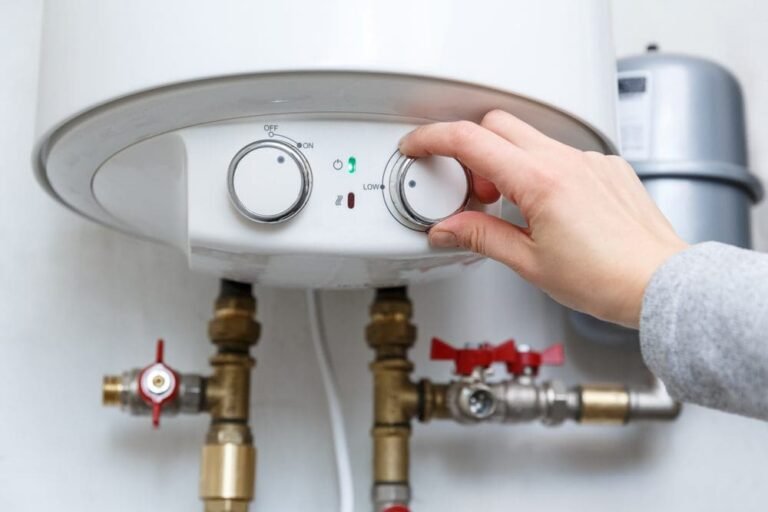
Most experts recommend setting water heaters to:
120°F (49°C)
Benefits include:
- Reduced burn risk
- Lower energy consumption
- Adequate sanitation
- Longer heater lifespan
Mistake #4: Neglecting Leak Inspections
A small leak today can turn into a major disaster tomorrow.
Water heater leaks often start slowly and go unnoticed.
Common Leak Locations
Leaks typically occur in these areas:
- Drain valve
- Pressure relief valve
- Tank bottom
- Pipe connections
- Inlet/outlet fittings
Dangers of Ignoring Leaks
Ignoring leaks may cause:
- Mold growth
- Water damage
- Tank corrosion
- Structural damage to floors
- Increased utility bills
In severe cases, a leaking tank may completely fail.
Leak Inspection Checklist
Perform a quick inspection every month.
| Inspection Area | What to Look For |
|---|---|
| Tank base | Rust or moisture |
| Pipe connections | Drips or corrosion |
| Relief valve pipe | Water discharge |
| Drain valve | Small leaks |
| Surrounding floor | Water puddles |
Monthly Water Heater Safety Checklist
Regular checks only take a few minutes but prevent costly problems.
| Task | Time Required |
|---|---|
| Inspect for leaks | 3 minutes |
| Check temperature setting | 1 minute |
| Listen for unusual noises | 2 minutes |
| Inspect venting system (gas heaters) | 2 minutes |
| Verify area around heater is clear | 1 minute |
Total maintenance time: less than 10 minutes per month.
Annual Water Heater Maintenance Chart
| Maintenance Task | DIY or Professional | Frequency |
|---|---|---|
| Tank flushing | DIY / Technician | Once per year |
| Anode rod inspection | Professional | Every 2–3 years |
| Pressure valve replacement | Professional | Every 3–5 years |
| Heating element check | Professional | As needed |
Warning Signs Your Water Heater Needs Immediate Attention
If you notice any of these symptoms, schedule maintenance immediately:
- Water smells like rotten eggs
- Rust-colored hot water
- Loud banging sounds
- Water heater constantly running
- Sudden drop in hot water supply
These problems may indicate internal corrosion, sediment buildup, or failing components.
How Proper Maintenance Extends Heater Life
Water heaters are not cheap appliances, so extending their lifespan is important.
Average lifespan comparison:
| Maintenance Level | Average Lifespan |
|---|---|
| No maintenance | 5–6 years |
| Basic maintenance | 8–10 years |
| Regular professional care | 12–15 years |
Routine maintenance can double the lifespan of your system.
Safety Tips Every Homeowner Should Follow
To reduce risk and maintain efficiency:
- Keep the area around the heater clean
- Never block ventilation for gas heaters
- Install a drain pan under the tank
- Use insulation on exposed pipes
- Install a carbon monoxide detector
These simple steps significantly improve safety.
Frequently Asked Questions (FAQs)
1. How often should a water heater be serviced?
A water heater should receive basic maintenance once per year, including flushing the tank and checking safety components. Monthly visual inspections are also recommended.
2. What temperature should a water heater be set to?
Most experts recommend 120°F (49°C) because it balances safety, energy efficiency, and bacterial control.
3. How do I know if my pressure relief valve is bad?
If the valve does not release water during testing or continues dripping afterward, it may be faulty and should be replaced immediately.
4. Why is my water heater making popping noises?
Popping or rumbling sounds usually indicate sediment buildup inside the tank. Flushing the tank typically resolves this issue.
5. Can a water heater explode?
While rare, explosions can occur if pressure builds up inside the tank and the temperature and pressure relief valve fails.
6. What is the average lifespan of a water heater?
Most residential water heaters last 8–12 years, but proper maintenance can extend this to 15 years or more.
Final Thoughts
Water heaters play a vital role in everyday comfort, but they also require proper care to remain safe and efficient.
Avoiding these four essential safety mistakes can dramatically reduce the risk of damage, accidents, and expensive repairs.
To recap:
- Always test the pressure relief valve
- Flush the tank annually
- Maintain a safe temperature setting
- Inspect regularly for leaks
By following this Water Heater Maintenance and Care Guide, homeowners can keep their systems running safely for many years.
About the Author