9 Powerful Water Heater Troubleshooting Signs You Shouldn’t Ignore
I still remember the morning I stepped into the shower expecting that familiar rush of hot water — and got a cold slap instead. At first, I thought maybe someone had used up all the hot water before me. But after waiting 30 minutes and trying again, still nothing. That’s when I realized something was actually wrong with my water heater.
Turns out, the signs had been there for weeks. I just didn’t know what to look for.
If you’re reading this, you’re probably noticing something off with your water heater too. Maybe it’s making weird sounds, or your energy bill crept up for no obvious reason. Whatever it is — trust your gut. Water heaters don’t usually fail overnight. They give you warnings first. The problem is most of us don’t speak “water heater.”
So let me break down the 9 signs that something’s wrong — and more importantly, what to do about each one before it turns into an expensive disaster.
1. 🚿 You’re Running Out of Hot Water Way Faster Than Usual
This was literally sign number one for me, and I ignored it for two weeks. Every shower started feeling shorter. I blamed my family. Turns out, it was sediment buildup at the bottom of the tank.
When minerals from hard water — mainly calcium and magnesium — settle at the bottom of your tank, they create an insulating layer between the heating element and the water. Your heater works harder, heats less, and you run out of hot water faster than before.
What to do:
- Flush your water heater tank to clear out sediment. This is something you can realistically do yourself with a garden hose and a bucket.
- If your unit is electric, check if the lower heating element has burned out. A multimeter can confirm this in minutes.
- If the tank is older than 10–12 years, reduced capacity might just be age.
Mistake I made: I kept adjusting the thermostat higher thinking that would fix it. It didn’t. It just made the water scalding at first and then lukewarm faster. Don’t do that.
2. 🔊 Strange Rumbling, Popping, or Banging Noises
One night I heard what sounded like popcorn coming from my utility room. Turns out, it was my water heater. That “popcorn” sound is actually sediment crackling and popping as the heating element tries to heat water through the buildup underneath it.
Banging noises can also come from something called “water hammer” — a pressure surge when water suddenly stops or changes direction. It’s not always the heater itself, but the pipes connected to it.
| Noise Type | Likely Cause | Urgency Level |
|---|---|---|
| Rumbling / Popping | Sediment buildup | Medium |
| Banging / Knocking | Water hammer, loose pipes | Medium-High |
| Hissing | Pressure relief valve issue or leak | HIGH |
| Whining / Screeching | Faulty inlet valve | Medium |
Hissing is the one you really don’t want to ignore. That could indicate your T&P (temperature and pressure) relief valve is releasing pressure — which means your tank pressure or temperature is dangerously high.
Quick check: Place your hand near the T&P valve (carefully). If you feel heat or steam, shut off the heater and call a plumber immediately.
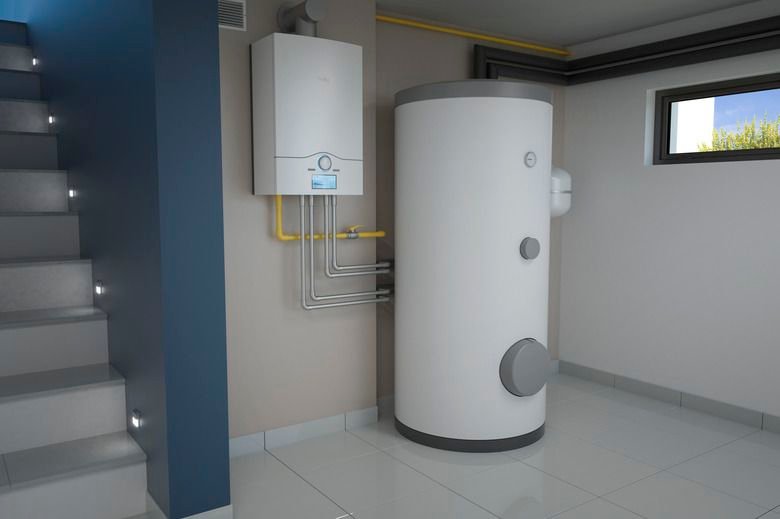
3. 💧 Water Around the Base of the Tank
Even a small puddle near your water heater is a red flag. I’ve seen homeowners put a towel down and forget about it. Big mistake.
Water around the base could mean:
- A leak in the drain valve
- A corroded tank
- Condensation (more common in cold climates and usually harmless)
- A failing T&P relief valve dripping water
Here’s the thing — if the tank itself is corroding and leaking, there’s no fixing it. You need a replacement. But if it’s just the drain valve or a fitting, that’s often a cheap repair.
How to check: Dry the area completely. Put paper towels around the base. Come back in a few hours. If the paper is wet, you have a real leak. Check where it’s coming from — the valve, the pipe fittings, or the tank itself.
If you want to understand more about preventing these issues early, 7 Easy Water Heater Maintenance and Care Guide Tips Every Homeowner Should Know is genuinely worth a read.
4. 🟤 Rusty or Discolored Hot Water
The first time I saw brown water coming out of my hot tap, I nearly had a heart attack. Cold tap? Clear. Hot tap? Brownish-orange.
That color difference is the key clue. If it’s only the hot water that looks rusty, the problem is almost certainly inside your water heater — either the tank is rusting internally, or the anode rod (the sacrificial metal rod that prevents corrosion) has completely worn out.
The anode rod is one of those things nobody talks about, but it’s basically what keeps your tank from rusting out from the inside. Most manufacturers recommend replacing it every 3–5 years. Most homeowners never do it. Ever.
What the colors usually mean:
- Rusty brown: Corroded tank or depleted anode rod
- Yellowish tint: Old pipes reacting with water
- Black or dark: Sulfur bacteria (especially if there’s also a smell)
If it’s the anode rod, replacing it is usually a $20–$50 DIY job. If the tank itself is corroded, you’re looking at a full replacement.
5. 🦨 Rotten Egg or Sulfur Smell from Hot Water
This one is genuinely unpleasant. If your hot water smells like rotten eggs, it’s almost always sulfur bacteria reacting with a magnesium anode rod inside the tank.
The fix? First, try raising your water heater temperature to 140°F for a few hours. This can kill the bacteria. Just be careful about scalding risk — especially if you have kids.
If that doesn’t work, flush the tank with a diluted hydrogen peroxide solution. Some people also switch to an aluminum-zinc anode rod, which tends to suppress the sulfur smell better than magnesium rods.
Important: If you smell gas (not sulfur — but that distinct natural gas/propane odor), don’t mess around. Leave the house, don’t touch any switches, and call your gas company immediately. That’s not a water heater problem — that’s a gas leak.
6. 📈 Unexplained Spike in Your Energy Bill
This one sneaks up on you. You’re not running out of hot water. Nothing looks broken. But your utility bill is quietly climbing every month.
A water heater that’s struggling — from sediment, a failing element, or poor insulation — has to work longer to heat the same amount of water. More work = more energy = higher bill.
I had this happen over the course of about 3 months. My gas bill went up roughly 18% before I connected it to the water heater. Once I flushed the tank and replaced the worn insulation blanket, it came back down.
Things to check if your bill is rising:
- When did you last flush the tank? (Sediment is the #1 culprit)
- Is the thermostat set too high? 120°F is the sweet spot for most homes.
- Is the tank located in an unheated space like a garage? Cold ambient temperature forces it to work harder.
- How old is the unit? Older heaters are inherently less efficient.
For practical ways to deal with this, 9 Powerful Water Heater Maintenance and Care Guide Tricks That Save Energy has some surprisingly effective tips that actually work.
7. 🌡️ Water Temperature Is Inconsistent or Not Getting Hot Enough
You set your thermostat to 120°F. Sometimes the water is scalding. Sometimes it’s warm at best. It never feels consistent.
This inconsistency usually points to one of three things:
- A faulty thermostat — it’s not reading or regulating temperature correctly
- A failing heating element (for electric heaters) — one element out of two is dead, so you get partial heating
- Sediment insulating the element — back to that buildup problem again
For gas water heaters, inconsistent temperature can also mean a dirty or malfunctioning burner assembly.
Simple test: Fill a cup of hot water and use a basic cooking thermometer. Check what the actual temperature is vs. what your thermostat says. If there’s a big gap, the thermostat needs calibration or replacement.
Thermostats on electric water heaters are usually accessible behind a panel and are inexpensive to replace — often under $20. Just make sure you kill the power at the breaker first. Non-negotiable.
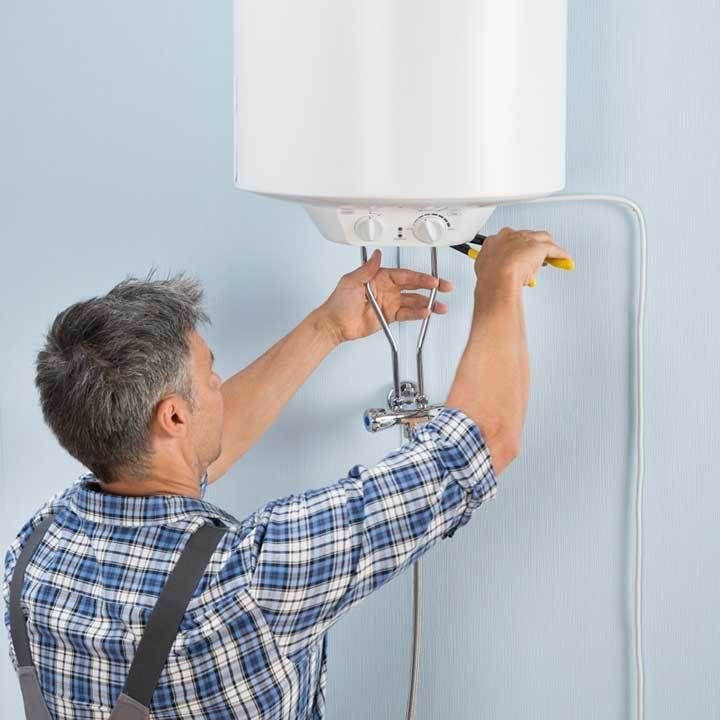
8. ⏱️ It Takes Way Too Long to Recover After Use
“Recovery time” is how long your water heater takes to reheat a full tank after you’ve used hot water. A typical 40-gallon gas water heater should recover in about 30–40 minutes. Electric takes longer — usually 60–80 minutes.
If you’re waiting 2 hours for hot water to come back after one shower, something is wrong.
This is usually caused by:
- A burned-out lower heating element (electric)
- A clogged burner orifice (gas)
- Heavy sediment buildup reducing effective capacity
- An undersized heater for your household’s actual needs
One thing I’d mention — recovery time issues are often misdiagnosed. Before assuming the heater is broken, actually time it. Use your phone’s stopwatch. Run the hot water until it’s cold, then time how long until it’s hot again. Compare that to your unit’s spec sheet (usually stuck to the side of the tank or findable by model number online).
If it’s way off spec, you have a legitimate performance issue worth investigating.
9. 🔩 The Unit Is Over 10 Years Old and Showing Any of the Above Signs
Here’s the honest truth nobody wants to hear: if your water heater is 10–12+ years old and you’re seeing any of the signs above, the math often doesn’t favor repair.
A new water heater costs $500–$1,500 installed depending on type and size. But so does an emergency plumber call at 7 AM on a Sunday when your old tank finally gives out and floods your utility room.
I’ve talked to plenty of homeowners who spent $300 repairing a 13-year-old heater only to have the tank itself fail 4 months later. At that point, they wished they’d just replaced it.
How to check your unit’s age: Look for the serial number on the label. Most manufacturers encode the manufacture date into the first few digits of the serial number. Bradford White, Rheem, AO Smith — they all have slightly different formats, but a quick Google search of “[brand name] serial number date decoder” will get you the answer in seconds.
If the heater is still relatively young (under 7 years) and well-maintained, repair usually makes sense. Over 10 years with multiple symptoms? Start budgeting for a replacement.
Common Mistakes People Make When Troubleshooting
Since I’ve been through this myself (more than once, honestly), here are the mistakes I see — and have made — most often:
Ignoring slow changes. The most dangerous problems develop gradually. Sediment builds up over months. Efficiency drops slowly. By the time it’s obvious, damage is done.
Adjusting the thermostat as a fix-all. Turning it up doesn’t fix low hot water pressure, sediment, or a failing element. It just wastes energy and creates scalding risk.
Skipping annual flushing. This is the single most impactful maintenance task, and most people have never done it. A 15-minute flush once a year can add years to your heater’s life.
Not checking the anode rod. Out of sight, out of mind — until your tank is rusting from the inside.
Waiting too long to call a professional. Some things are DIY-friendly. A failing T&P valve, a corroded tank, or a gas supply issue? Call someone qualified.
For a broader look at problems and how to handle them proactively, 5 Smart Water Heater Maintenance and Care Guide Habits That Prevent Breakdowns lays out some solid preventative habits that genuinely make a difference.
A Quick Reference Table: Signs vs. Likely Causes
| Warning Sign | Most Likely Cause | DIY Fixable? |
|---|---|---|
| Running out of hot water fast | Sediment buildup, failing element | Often yes |
| Rumbling/popping noises | Sediment buildup | Yes (flush tank) |
| Water pooling at base | Leak (valve or tank) | Sometimes |
| Rusty/discolored hot water | Depleted anode rod or corroded tank | Partially |
| Rotten egg smell | Sulfur bacteria, magnesium anode rod | Often yes |
| High energy bills | Sediment, aging unit, thermostat | Often yes |
| Inconsistent temperature | Faulty thermostat or element | Often yes |
| Slow recovery time | Dead element, burner issue | Sometimes |
| Unit over 10 years old | General wear and degradation | Consider replacing |
Final Thoughts
Water heaters are one of those appliances we completely take for granted — right up until they stop working. The good news is they’re actually pretty communicative if you know what to listen for. Rumbles, puddles, rust, slow recovery — these aren’t random. They’re your heater telling you something needs attention.
The homeowners who get 15+ years out of a water heater aren’t lucky. They just flush it annually, check the anode rod, keep an eye on that energy bill, and don’t wait until cold showers force their hand.
You don’t need to be a plumber to handle most of this. A multimeter, a garden hose, and an afternoon are enough to diagnose and fix the most common problems. And when something’s beyond your comfort zone, calling a professional early is almost always cheaper than calling them in an emergency.
Start with whichever sign resonates most with what you’re experiencing right now. One step at a time.
Also worth reading: 10 Quick Water Heater Maintenance and Care Guide Fixes That Work Fast — practical, no-fluff fixes you can actually try today.
About the Author