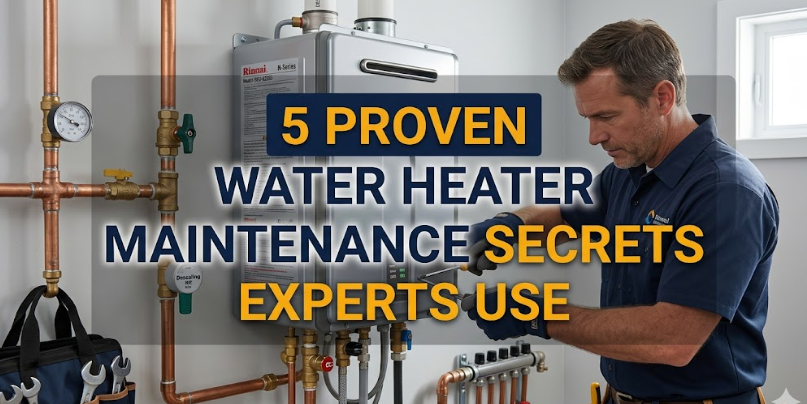
5 Proven Water Heater Maintenance Secrets Experts Use
5 proven water heater maintenance secrets experts use
There’s a quiet comfort in turning on a tap and knowing hot water will flow instantly. It’s one of those modern conveniences that goes unnoticed—until it doesn’t work. When a water heater fails, it rarely does so at a convenient time. It’s often early morning, late at night, or right when you need it most. Behind that reliability lies a system that, like any hardworking machine, needs care, attention, and a bit of insider knowledge to keep it running smoothly.
Most homeowners treat their water heater like a sealed box—install it, forget it, and hope it lasts. Professionals, however, approach things differently. They understand that a few simple but strategic maintenance habits can extend a heater’s life by years, improve efficiency, and prevent costly breakdowns. What follows are five proven maintenance secrets that experts quietly rely on—techniques that go beyond surface-level advice and tap into how these systems truly function.
secret one: draining sediment the right way, not just occasionally
Over time, minerals present in water—especially in areas with hard water—settle at the bottom of the tank. This layer of sediment may seem harmless at first, but it gradually becomes a silent enemy. It acts as a barrier between the burner (or heating element) and the water itself, forcing the heater to work harder. The result? Increased energy consumption, strange noises, and uneven heating.
Many people know they should “flush the tank,” but experts approach this task with more precision. Instead of doing a quick drain once every few years, they treat sediment removal as a regular, thoughtful process.
The key lies in timing and method. Draining the tank partially every six months is often more effective than waiting years for a full flush. A partial drain removes loose sediment before it compacts into a hardened layer that’s much harder to eliminate. When professionals do perform a full flush, they ensure the water pressure is used effectively—opening the cold-water inlet briefly during draining to stir up remaining debris.
Another detail experts don’t overlook is safety. Before draining, they turn off the power source—electricity for electric heaters or gas supply for gas units. They also allow the water to cool slightly to prevent burns. These small precautions ensure the process is both safe and effective.
Interestingly, the sound your heater makes can be a clue. Popping or rumbling noises often indicate sediment buildup. Experts listen for these subtle signs and act early, preventing more serious issues down the line.
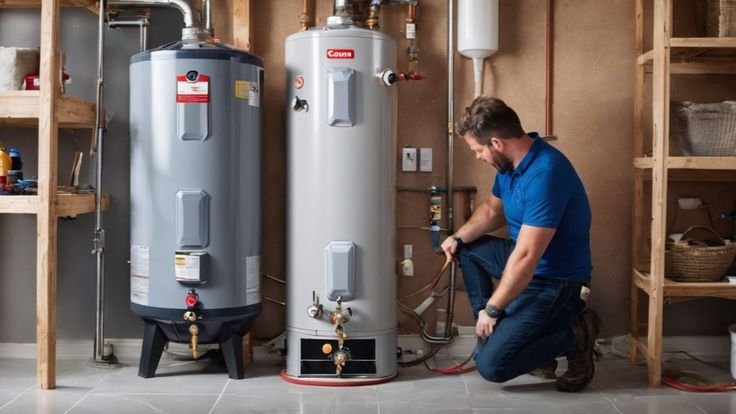
secret two: the anode rod—your heater’s hidden protector
Inside every tank-style water heater lies a component that most homeowners have never seen: the anode rod. This metal rod is designed to attract corrosive elements in the water, sacrificing itself so the tank doesn’t rust. It’s a brilliant piece of engineering, but it doesn’t last forever.
Professionals consider the anode rod the single most important factor in extending a water heater’s lifespan. Yet it’s rarely checked or replaced in typical households. Once the rod is fully corroded, the tank itself becomes vulnerable, and deterioration begins from the inside.
Experts recommend inspecting the anode rod every one to three years, depending on water quality. In areas with aggressive or mineral-rich water, it may wear out faster. Replacing it is relatively inexpensive compared to the cost of a new heater, but it can add years—sometimes even a decade—to the system’s life.
There’s also nuance in choosing the right type of rod. Magnesium rods are more effective in soft water, while aluminum or zinc rods are often preferred in harder water conditions or where odor issues exist. Professionals select the material based on the environment rather than using a one-size-fits-all approach.
When removing the rod, experts use proper tools and techniques to avoid damaging the tank. The rod is typically located at the top, and loosening it may require significant torque. This is one of those tasks where patience and the right equipment make all the difference.
secret three: temperature control is about efficiency, not just comfort
Most people adjust their water heater temperature based solely on comfort—hot enough for a satisfying shower but not scalding. Experts, however, see temperature as a balancing act between safety, efficiency, and system longevity.
Setting the thermostat to around 120°F (49°C) is widely considered optimal. At this temperature, the risk of scalding is reduced, and energy consumption is kept in check. But there’s more to it than just picking a number.
Higher temperatures accelerate mineral buildup and increase wear on internal components. They also raise energy bills unnecessarily. On the other hand, setting the temperature too low can encourage bacterial growth, particularly in rarely used systems.
Professionals sometimes adjust temperatures seasonally. In colder months, slightly higher settings may be needed to compensate for colder incoming water. In warmer seasons, lowering the temperature can save energy without sacrificing comfort.
Another expert tip is to periodically test the actual water temperature at the tap. Thermostat dials are not always accurate, and discrepancies can occur over time. A simple thermometer test can reveal whether adjustments are needed.
Temperature control also ties into usage habits. Households with varying schedules or lower hot water demand can benefit from slightly reduced settings, easing the load on the heater without noticeable inconvenience.
secret four: pressure relief valve testing—small step, big safety impact
The temperature and pressure relief (T&P) valve is one of the most critical safety components in a water heater. Its purpose is straightforward: if pressure or temperature inside the tank becomes too high, the valve releases water to prevent dangerous conditions.
Despite its importance, this valve is often ignored. Experts, however, make it a routine part of maintenance. Testing the valve once or twice a year ensures it’s functioning correctly and not stuck due to mineral deposits or corrosion.
The process is simple but must be done carefully. A container or bucket is placed under the discharge pipe, and the valve lever is lifted briefly. Water should flow out smoothly and stop once the lever is released. If it doesn’t, or if it leaks afterward, the valve may need replacement.
Professionals pay attention to subtle details during this test. The color and clarity of the discharged water can indicate internal tank conditions. Rusty or murky water may suggest corrosion or sediment issues.
Ignoring the T&P valve can lead to serious consequences. In extreme cases, a malfunctioning valve combined with excessive pressure can cause tank rupture. While such events are rare, experts never take the risk lightly.
secret five: insulating for efficiency and longevity
Insulation might not be the first thing that comes to mind when thinking about water heater maintenance, but it’s a secret many professionals rely on. By reducing heat loss, insulation helps the heater maintain temperature more efficiently, reducing the frequency of heating cycles.
Tank insulation blankets are a common solution, especially for older units. These blankets wrap around the tank, trapping heat inside. The result is lower energy consumption and less strain on the system.
However, experts apply insulation thoughtfully. They avoid covering critical components such as the thermostat, burner access panels, or the T&P valve. Proper installation ensures safety while maximizing benefits.
Pipes connected to the heater also play a role. Insulating the first few feet of both hot and cold water pipes can significantly reduce heat loss. This not only improves efficiency but also delivers hot water faster to taps.
In colder environments, insulation becomes even more important. Uninsulated heaters in garages or basements can lose heat rapidly, forcing the system to work harder. Experts assess the surrounding environment and adjust insulation strategies accordingly.
There’s also a long-term benefit: reduced wear and tear. When a heater cycles less frequently, its components experience less stress, contributing to a longer lifespan.
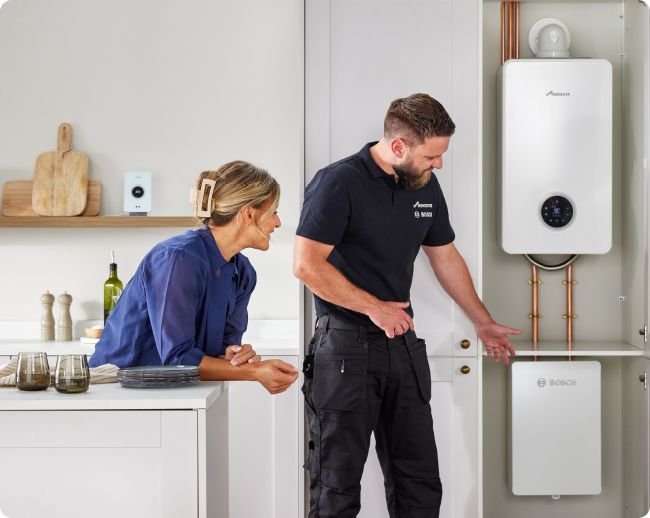
bringing it all together: a maintenance mindset
What separates experts from average users isn’t just knowledge—it’s consistency. These five secrets are not complicated or expensive, but they require attention and regular effort. Together, they form a maintenance routine that keeps water heaters running efficiently for years.
It’s also worth noting that each heater is different. Factors such as water quality, usage patterns, and environmental conditions all play a role. Professionals adapt their approach based on these variables, treating maintenance as a dynamic process rather than a fixed checklist.
For homeowners, adopting even a few of these practices can make a noticeable difference. Lower energy bills, fewer repairs, and a longer-lasting system are all achievable with the right approach.
There’s something satisfying about taking control of a system that’s often overlooked. Instead of reacting to problems, proactive maintenance allows you to stay ahead, ensuring that hot water remains a reliable part of everyday life.
frequently asked questions
- how often should I flush my water heater tank
Most experts recommend a partial drain every six months and a full flush once a year. However, if you live in an area with hard water, more frequent flushing may be beneficial to prevent heavy sediment buildup. - what are the signs that my anode rod needs replacement
Common signs include a rotten egg smell in hot water, visible corrosion on the rod, or discolored water. If your heater is more than two years old and hasn’t been checked, it’s a good idea to inspect the rod. - is it safe to test the pressure relief valve myself
Yes, it’s generally safe if done carefully. Make sure the discharge pipe is directed into a container and avoid direct contact with hot water. If the valve doesn’t function properly, it’s best to have it replaced by a professional. - can lowering the temperature really save energy
Absolutely. Reducing the thermostat to around 120°F can lower energy consumption by several percent while still providing comfortable hot water for daily use. - do tankless water heaters need the same maintenance
Tankless systems require different maintenance, such as descaling to remove mineral buildup. While they don’t have a tank or anode rod, regular servicing is still essential for efficiency and longevity. - how long should a well-maintained water heater last
With proper care, a traditional tank water heater can last 10–15 years or more. Regular maintenance, especially anode rod replacement and sediment control, can significantly extend its lifespan.
In the end, maintaining a water heater isn’t about complex procedures or expensive tools. It’s about understanding how the system works and giving it the attention it deserves. These expert secrets aren’t hidden because they’re difficult—they’re simply overlooked. Once you start applying them, the difference becomes clear not just in performance, but in peace of mind.
About the Author