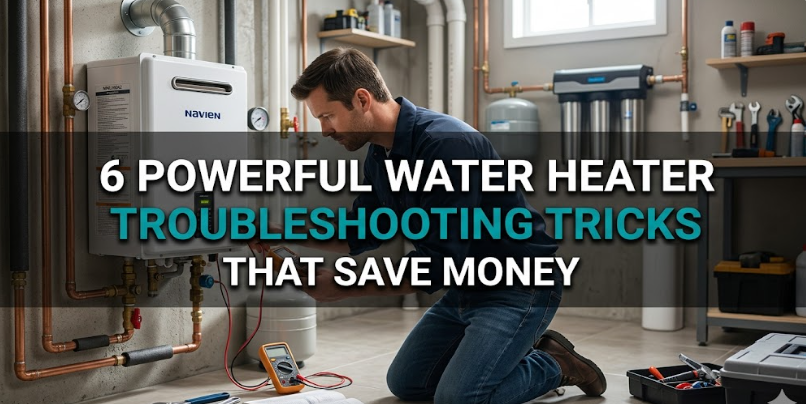
6 Powerful Water Heater Troubleshooting Tricks That Save Money
6 Powerful Water Heater Troubleshooting Tricks That Save Money
There’s a quiet kind of panic that sets in when the hot water suddenly disappears. It usually happens at the worst possible moment—mid-shower, early morning, or just when you finally sit down to relax. What most people don’t realize is that many of these issues don’t require a professional or an expensive replacement. In fact, a bit of patience, observation, and a few practical troubleshooting tricks can solve the majority of water heater problems.
This article is not just a list of tips—it’s a lived-in, practical guide. Think of it as a conversation between someone who’s learned these lessons the hard way and someone who wants to avoid unnecessary costs.
Let’s walk through six powerful troubleshooting tricks that can genuinely save you money, extend your heater’s life, and give you confidence in handling minor home issues.
understanding your water heater before fixing it
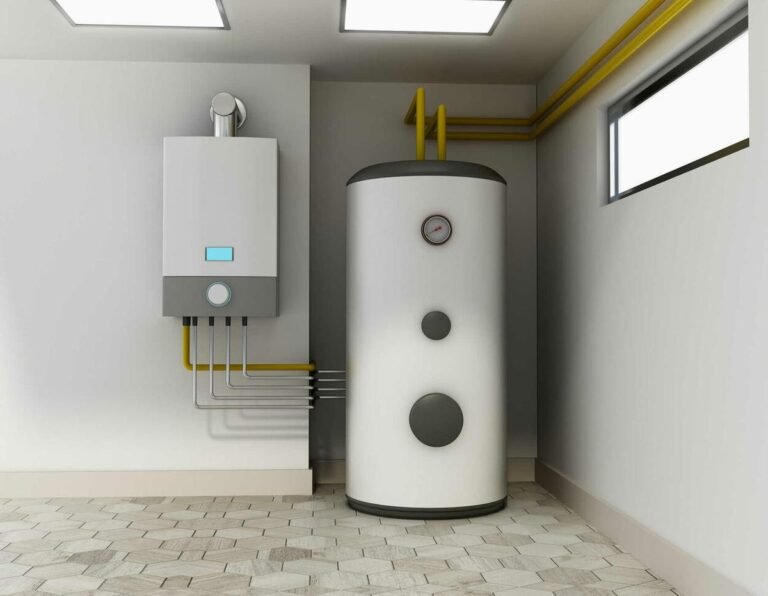
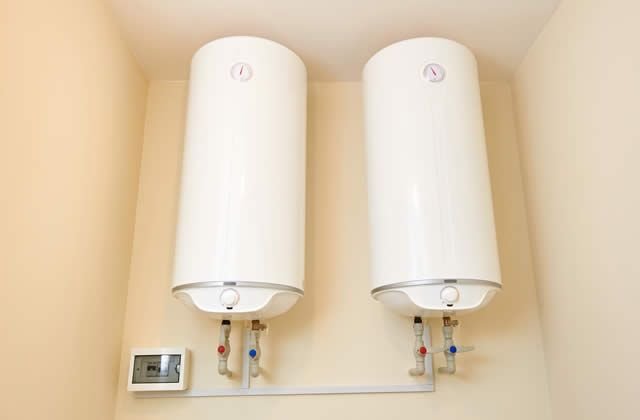
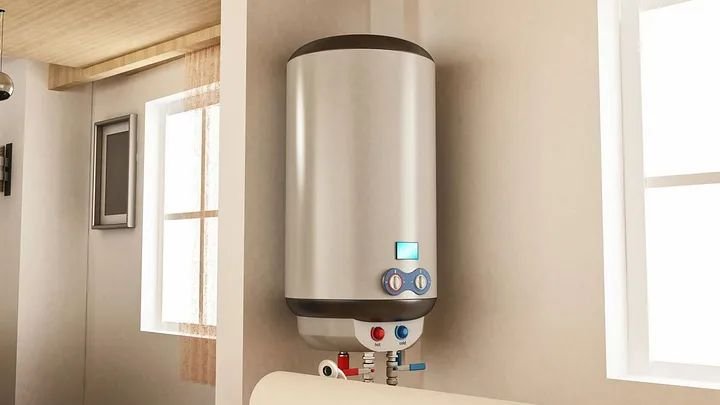
Before diving into fixes, it helps to understand what you’re working with. Most homes have either a tank-based water heater or a tankless system. Tank heaters store and heat water continuously, while tankless units heat water on demand.
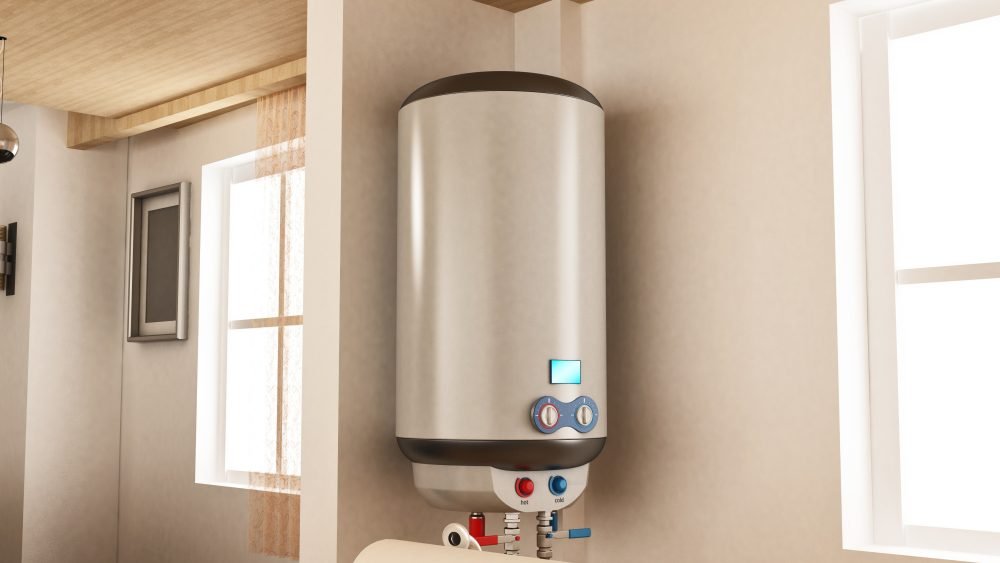
Inside a typical tank heater, you’ll find:
- A heating element or burner
- A thermostat
- A dip tube
- A pressure relief valve
- Sediment that quietly builds up over time
When something goes wrong, it’s usually one of these parts—or a combination—causing trouble. Knowing this makes troubleshooting less intimidating and far more logical.
trick 1: resetting the system before assuming the worst
It sounds almost too simple, but resetting your water heater is often the fastest and cheapest fix.
Many electric heaters have a reset button, usually red, located near the thermostat. When the system overheats or detects an issue, this button trips as a safety measure.
What to do:
- Turn off the power supply
- Open the access panel
- Press the reset button firmly
- Restore power and wait
Sometimes, that’s all it takes.
Why it saves money:
People often assume a failed heater when the issue is just a tripped safety switch. A quick reset avoids unnecessary service calls.
A small note from experience: if the reset keeps tripping, don’t ignore it. That’s a sign of a deeper issue like a faulty thermostat or wiring problem.
trick 2: flushing out sediment buildup
Over time, minerals from hard water settle at the bottom of the tank. This sediment acts like an insulating layer between the heating element and the water.
The result?
- Reduced efficiency
- Strange noises (popping or rumbling)
- Higher energy bills
Flushing the tank once or twice a year can prevent this.
How to do it:
- Turn off the heater and water supply
- Attach a hose to the drain valve
- Let the water flow out into a safe area
- Refill and repeat until clear
Why it saves money:
A sediment-filled heater works harder to produce the same heat. That means higher electricity or gas bills. Regular flushing keeps efficiency high and delays the need for replacement.
There’s also a satisfying feeling in seeing cloudy water turn clear—it’s like proof that you’ve just added years to your appliance.
trick 3: checking the thermostat settings (and not overdoing it)
Sometimes the problem isn’t that your heater isn’t working—it’s that it’s working inefficiently.
Many heaters are set higher than necessary. A setting around 49–60°C (120–140°F) is usually sufficient for most households.
If your water is:
- Too hot → you’re wasting energy and risking burns
- Too cold → the thermostat might be set too low or malfunctioning
Steps:
- Access the thermostat panel
- Adjust slightly and test
- Give it time to stabilize before changing again
Why it saves money:
Lowering the temperature even slightly can reduce energy consumption significantly over time. It also reduces wear on heating elements.
An overlooked benefit: it’s safer, especially if there are children in the home.
trick 4: inspecting for leaks before they get expensive
Leaks are sneaky. They often start small—just a few drops—and go unnoticed until they cause real damage.
Common leak points:
- Pipe connections
- Pressure relief valve
- Bottom of the tank
What to look for:
- Dampness around the base
- Rust stains
- Water pooling
Tightening loose connections or replacing a valve is far cheaper than dealing with water damage or a full heater replacement.
Why it saves money:
Early detection prevents structural damage, mold growth, and increased utility bills from wasted water.
A small habit that helps: occasionally run your hand around connections. It’s simple but surprisingly effective.
trick 5: testing the heating elements (for electric heaters)
If your electric water heater isn’t producing hot water, one or both heating elements might have failed.
Signs include:
- Lukewarm water
- Running out of hot water quickly
- No hot water at all
Testing requires a multimeter, but the process is straightforward if you’re careful:
- Turn off power
- Remove the access panel
- Test continuity in the element
If an element is faulty, replacing it is relatively inexpensive compared to replacing the entire unit.
Why it saves money:
Heating elements are one of the most common failure points, yet they’re also one of the cheapest parts to replace.
There’s something empowering about fixing this yourself—it turns a potentially costly problem into a manageable task.
trick 6: listening to your water heater
This might sound unusual, but your water heater often “talks” before it fails.
Common sounds:
- Popping → sediment buildup
- Hissing → possible leak or pressure issue
- Knocking → expanding metal parts or scale buildup
Instead of ignoring these sounds, treat them as early warnings.
Why it saves money:
Catching issues early means simpler, cheaper fixes. Ignoring them often leads to bigger problems that require professional intervention.
Think of it like a car making noise—you wouldn’t just turn up the radio and hope for the best.
building a routine that prevents problems altogether
Troubleshooting is useful, but prevention is even better.
A simple maintenance routine might include:
- Checking the pressure relief valve every few months
- Flushing the tank annually
- Inspecting for leaks regularly
- Monitoring temperature settings
This doesn’t take much time, but it makes a huge difference.
There’s a certain peace of mind in knowing your home systems are under control. It’s less about reacting to problems and more about staying ahead of them.
when to call a professional (and not feel bad about it)
While many issues can be handled at home, some situations require expertise:
- Gas-related problems
- Major electrical faults
- Persistent leaks from the tank itself
- Repeated system failures
Knowing when to step back is part of being practical. The goal isn’t to do everything yourself—it’s to avoid unnecessary expenses while staying safe.
a few small habits that quietly save money
Sometimes, it’s not the big fixes but the small, consistent habits that make the biggest difference:
- Using less hot water where possible
- Insulating the tank and pipes
- Keeping the area around the heater clean and dry
- Paying attention to changes in performance
These habits don’t feel like much in the moment, but over months and years, they add up.
closing thoughts
A water heater isn’t something most people think about until it stops working. But with a bit of awareness and a few practical troubleshooting tricks, you can turn a frustrating situation into a manageable one.
There’s a certain satisfaction in solving these problems yourself—not just because you saved money, but because you understood something that once felt complicated.
And the next time the hot water cuts out, you won’t panic. You’ll pause, think, and start checking—step by step.
That alone is worth more than any repair bill.
frequently asked questions
- how often should I flush my water heater?
Ideally, once a year. If you live in an area with hard water, you might benefit from flushing it every six months. - why does my water heater make popping noises?
This is usually caused by sediment buildup at the bottom of the tank. Flushing the tank typically resolves the issue. - is it safe to reset my water heater myself?
Yes, as long as you follow basic safety steps like turning off power before accessing the unit. If the problem persists, consult a professional. - what temperature should my water heater be set at?
A range of 49–60°C (120–140°F) is generally recommended for both safety and efficiency. - how do I know if a heating element is faulty?
Signs include inconsistent water temperature or no hot water. Testing with a multimeter can confirm if the element needs replacement. - when should I replace my water heater instead of repairing it?
If the tank is leaking, the unit is over 10–15 years old, or repairs are becoming frequent and costly, replacement may be the better option.
About the Author