10 Easy Water Heater Troubleshooting Fixes You Can Do Yourself
10 Easy Water Heater Troubleshooting Fixes You Can Do Yourself
There’s a certain kind of frustration that only shows up when you turn on the tap expecting a warm shower and instead get a blast of cold water. It’s one of those moments where the comfort of your home suddenly feels unreliable. Water heaters, like most home appliances, tend to work quietly in the background—until they don’t. And when they stop cooperating, it can feel like a big problem.
But here’s the reassuring part: not every water heater issue needs a professional or a costly repair. In fact, many common problems can be diagnosed and fixed with a bit of patience, some basic tools, and a willingness to learn. This article walks through ten practical, easy troubleshooting fixes that you can try yourself. Along the way, you’ll also get small insights, examples, and helpful notes that make the process more human and less mechanical.
Let’s get into it.
- No hot water at all
This is the most obvious and probably the most alarming issue. You turn on the tap, wait, and nothing changes. The water stays cold.
If you’re using an electric water heater, the first thing to check is the power supply. Sometimes the circuit breaker trips without any warning. Head to your electrical panel and see if the breaker connected to the heater has flipped. If it has, reset it and wait a few minutes to see if the heater starts working again.
For gas water heaters, the issue is often related to the pilot light. If the pilot light is out, the heater won’t produce hot water. You can relight it by following the instructions printed on the tank. Usually, it involves turning the gas control knob to the pilot position, pressing it down, and lighting the flame with a lighter or ignition button.
A quick checklist:
– Check circuit breaker (electric)
– Confirm power supply is on
– Inspect pilot light (gas)
– Make sure gas valve is open
If everything seems fine but there’s still no hot water, the problem could be a faulty thermostat or heating element, which might require replacement.
- Water is too hot
Oddly enough, water that’s too hot can be just as frustrating—and dangerous—as water that’s too cold. If you notice that your water is scalding, the thermostat is likely set too high.
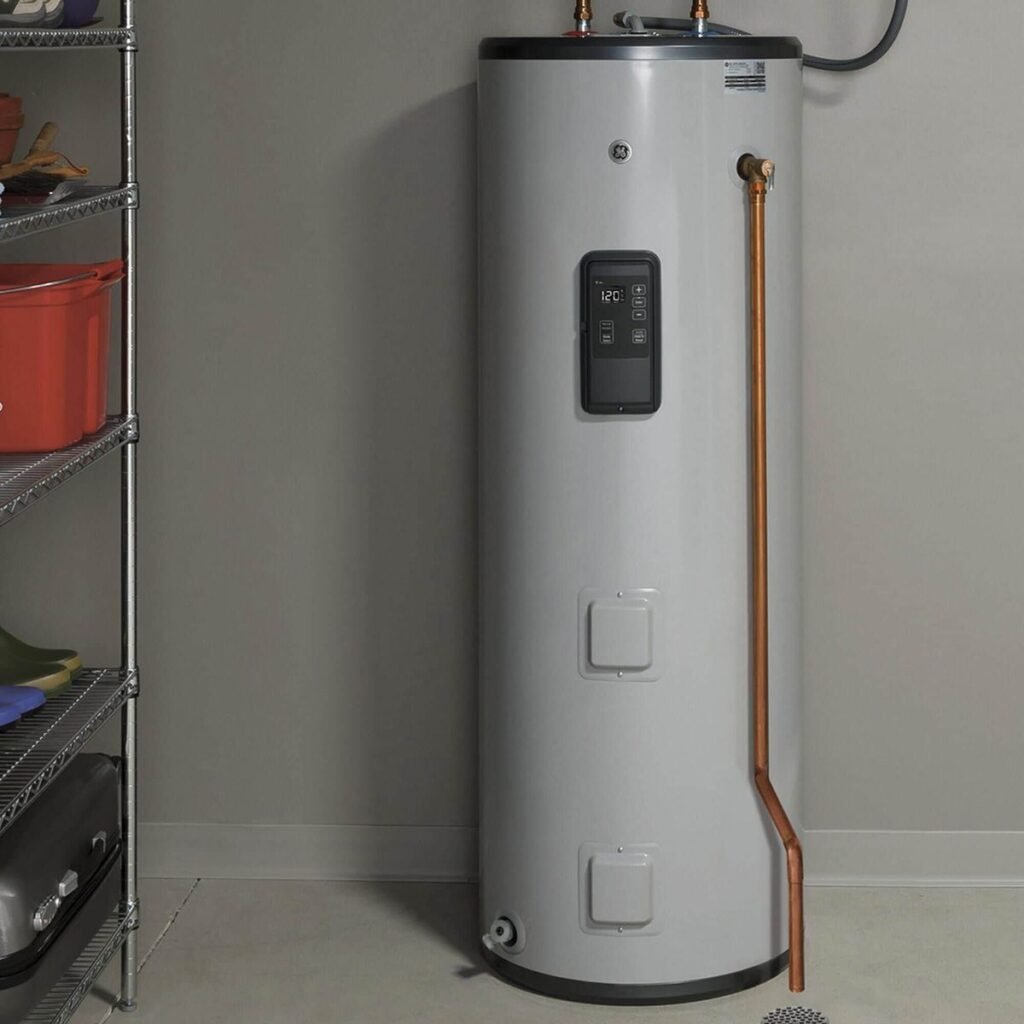
Most water heaters have a thermostat dial. Lowering it to around 120°F (49°C) is generally considered safe and efficient. It reduces the risk of burns and saves energy at the same time.
Simple steps:
– Locate the thermostat panel
– Adjust temperature setting gradually
– Wait a few hours and test water again
Think of it like adjusting a cooking flame—you don’t want it too high or too low. Balance is key.
- Not enough hot water
You might get hot water initially, but it runs out faster than usual. This is a common issue, especially in households where demand fluctuates.
Several things could be causing this:
– Sediment buildup in the tank
– A broken dip tube (which directs cold water to the bottom)
– Thermostat set too low
Flushing the tank can often solve the issue. Sediment collects at the bottom over time and reduces the heater’s efficiency.
Quick flushing guide:
– Turn off power or gas
– Connect a hose to the drain valve
– Let water drain completely
– Refill tank and restart heater
It’s a simple task that can make a noticeable difference.
- Strange noises from the tank
If your water heater starts making popping, rumbling, or banging noises, it’s trying to tell you something.
These sounds are usually caused by sediment buildup. As water heats up, it gets trapped under layers of mineral deposits and creates those noises when it escapes.
Flushing the tank, as mentioned earlier, is the best fix. In some cases, repeating the process a couple of times helps remove stubborn buildup.
Think of it like cleaning a kettle that has scale—it works better once it’s cleared out.
- Water takes too long to heat
If you find yourself waiting longer than usual for hot water, there could be a few underlying issues.
Possible reasons:
– Faulty heating element (electric heater)
– Sediment reducing efficiency
– Thermostat not working properly
Start with the easiest step: check and adjust the thermostat. If that doesn’t help, consider inspecting the heating elements using a multimeter (if you’re comfortable doing so).
This is one of those situations where a small component can have a big impact.
- Water heater is leaking
A leak can look serious, but it’s important to identify where it’s coming from before assuming the worst.
Common leak points:
– Loose connections
– Faulty pressure relief valve
– Cracked tank (more serious)
Tightening connections might solve the problem if it’s minor. If the leak is from the pressure relief valve, it may need replacement.
However, if the tank itself is leaking, that usually means internal damage, and replacement is often the only solution.
A small tip: always dry the area first and observe carefully. Water can travel, making it seem like the leak is coming from somewhere else.
- Discolored or rusty water
If your hot water appears brownish or rusty, it’s not something to ignore.
This often points to corrosion inside the tank or a failing anode rod. The anode rod is designed to attract corrosive elements, protecting the tank lining.
Replacing the anode rod can extend the life of your water heater significantly.
Steps:
– Turn off power and water supply
– Locate and remove the anode rod
– Install a new one
It’s a relatively inexpensive fix that prevents bigger problems later.
- Low hot water pressure
If your hot water pressure is weaker than usual, the issue might not be the heater itself but rather the pipes or valves.
Mineral deposits can clog pipes and reduce flow. In some cases, cleaning the aerators on your faucets can solve the problem.
Try this:
– Unscrew faucet aerator
– Clean out debris or scale
– Reattach and test
If the issue persists, the problem could be deeper in the plumbing system.
- Pilot light keeps going out
For gas heaters, a pilot light that won’t stay lit is a common annoyance.
Possible causes:
– Dirty or faulty thermocouple
– Drafts blowing out the flame
– Gas supply issues
Cleaning or replacing the thermocouple often solves the problem. It’s a small device but plays a crucial role in keeping the pilot light on.
Imagine it as a safety sensor—it ensures gas flows only when the flame is present.
- Water smells bad
If your hot water smells like rotten eggs, it’s usually due to bacteria reacting with the anode rod inside the tank.
This can be fixed by:
– Flushing the tank thoroughly
– Replacing the anode rod with an aluminum or zinc variant
– Disinfecting the tank with a mild hydrogen peroxide solution
This issue is more common in areas with certain water compositions, but it’s manageable with a bit of effort.
A practical troubleshooting mindset
Fixing water heater issues isn’t just about following steps—it’s about understanding patterns. When something goes wrong, pause and observe. Ask yourself:
– Did this happen suddenly or gradually?
– Is the issue consistent or occasional?
– Are there any unusual sounds or smells?
This mindset helps you narrow down the problem faster and avoid unnecessary work.
A small toolkit you’ll find useful
You don’t need a full workshop to handle basic troubleshooting. A few simple tools go a long way:
– Adjustable wrench
– Screwdriver set
– Hose for draining tank
– Multimeter (optional but helpful)
– Bucket and towels
Having these ready can make the process smoother and less stressful.
When to stop and call a professional
While many fixes are DIY-friendly, some situations are better handled by experts:
– Electrical wiring issues
– Gas leaks or strong gas smell
– Major tank damage
– Persistent problems after multiple attempts
Knowing your limits isn’t a weakness—it’s part of being practical and safe.
A closing thought
Water heaters are often overlooked until they fail, but they’re not as mysterious as they seem. With a little attention and basic care, you can solve many common problems yourself. More importantly, you gain confidence in handling your home’s systems, which is always valuable.
Sometimes, the fix is as simple as turning a dial or tightening a valve. Other times, it takes a bit more effort. Either way, the satisfaction of solving the issue on your own is worth it.
FAQs
- How often should I flush my water heater?
It’s generally recommended to flush your water heater once a year. In areas with hard water, doing it every six months can help prevent sediment buildup. - Is it safe to relight the pilot light myself?
Yes, as long as you follow the manufacturer’s instructions carefully. If you smell gas or feel unsure, it’s better to call a professional. - Why does my hot water run out so quickly?
This could be due to sediment buildup, a faulty heating element, or increased household demand. Flushing the tank is a good first step. - Can I replace a heating element on my own?
If you’re comfortable working with electrical components and take proper safety precautions, it’s possible. Otherwise, it’s safer to hire a technician. - What causes a water heater to make noise?
Noise is usually caused by sediment buildup at the bottom of the tank. Flushing the tank can help reduce or eliminate the sounds. - How long does a typical water heater last?
Most water heaters last between 8 to 12 years, depending on maintenance, water quality, and usage patterns. Regular care can extend its lifespan.
About the Author