
9 Powerful Water Heater Cleaning Ideas for Long Life
9 powerful water heater cleaning ideas for long life
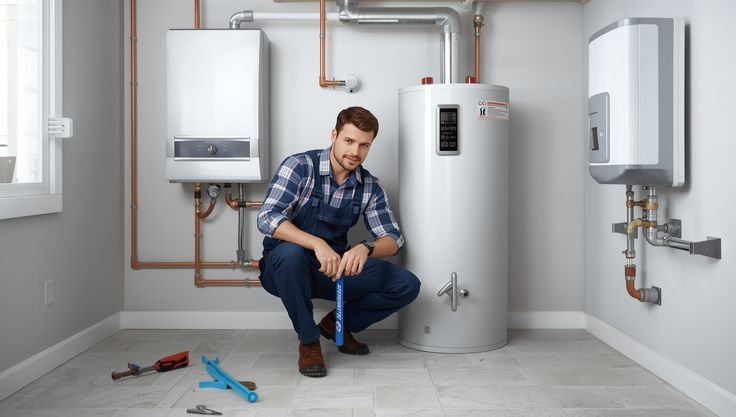
A water heater is one of those quiet, dependable systems in a home that people rarely think about—until something goes wrong. It sits tucked away in a corner, working day and night to provide hot showers, clean dishes, and comfortable living. Yet beneath that calm surface, sediment builds, minerals cling to heating elements, and tiny inefficiencies slowly grow into costly problems.
If you’ve ever noticed your hot water running out faster than usual, strange noises from the tank, or rising energy bills, your water heater might be asking for attention. Cleaning it isn’t just about maintenance—it’s about extending its lifespan, improving efficiency, and avoiding expensive replacements.
What follows isn’t just a list of tips. It’s a practical, experience-driven guide that combines proven techniques with real-life insights—things homeowners often learn the hard way. These nine powerful cleaning ideas go deeper than surface-level advice and help you build a long-term care routine that actually works.
idea 1: flush out sediment before it becomes your heater’s enemy
Sediment is the silent killer of water heaters. Minerals like calcium and magnesium settle at the bottom of the tank over time, forming a thick layer that hardens with heat cycles.
Imagine boiling water in a kettle and seeing residue at the bottom—that’s exactly what happens inside your heater, but on a much larger scale.
Flushing the tank removes this buildup and restores efficiency. Start by turning off the power supply (electric or gas), then shut off the water inlet. Attach a hose to the drain valve and let the water flow out completely.
But here’s what many people miss: a single flush isn’t always enough.
After draining, briefly turn the cold water back on to stir up remaining sediment. Let it flush out again. Repeat until the water runs clear.
Doing this once or twice a year can significantly extend your heater’s life. It prevents overheating at the base, reduces energy usage, and keeps your system running smoothly.
idea 2: use vinegar as a natural descaling solution
Hard water leaves behind stubborn mineral deposits that regular flushing can’t fully remove. That’s where vinegar becomes your best friend.
White vinegar is a natural, affordable, and safe descaler. It breaks down mineral buildup without damaging internal components.
To use it effectively, partially drain the tank and pour vinegar inside—usually a few gallons depending on tank size. Let it sit for several hours, or even overnight, before flushing it out completely.
The difference can be noticeable. Water heats faster, strange noises often disappear, and internal surfaces become cleaner.
This method is especially useful if you live in areas with hard water, where mineral buildup occurs more quickly.
idea 3: clean the anode rod to prevent internal corrosion
The anode rod is one of the most important—and most ignored—parts of a water heater.
Its job is simple: attract corrosive elements in the water so the tank itself doesn’t rust. Over time, the rod deteriorates instead of the tank, acting as a sacrificial protector.
But if the rod becomes too corroded, it stops working effectively.
Removing and inspecting it once a year can prevent major damage. If it’s heavily worn or coated with buildup, cleaning or replacing it is essential.
A clean, functioning anode rod can add years to your heater’s lifespan. Neglecting it, on the other hand, can lead to internal rust and eventual tank failure.
idea 4: scrub and rinse the heating elements
In electric water heaters, heating elements are where much of the action happens—and where a lot of buildup occurs.
Minerals cling to these elements, forming insulating layers that force them to work harder. This leads to slower heating and increased electricity consumption.
Carefully removing the elements and cleaning them with a vinegar solution can restore efficiency. Use a soft brush to remove stubborn deposits, but avoid damaging the surface.
Reinstalling clean elements can make your heater feel almost new again. It’s one of those small efforts that delivers surprisingly big results.
idea 5: clear the drain valve to avoid hidden blockages
The drain valve is your main access point for flushing the tank, but it can become clogged with sediment over time.
A blocked valve means incomplete draining—and that means sediment stays behind.
After each flush, take a moment to check the valve. If water flow is slow or uneven, gently clear it using a thin wire or by briefly increasing water pressure.
Keeping the drain valve clean ensures that every future maintenance session is effective. It’s a simple habit that prevents long-term issues.
idea 6: sanitize the tank to remove bacteria and odors
Sometimes the issue isn’t just minerals—it’s bacteria.
If your hot water has a strange smell, especially a sulfur or “rotten egg” odor, bacteria may be growing inside the tank.
Sanitizing the tank with a mild disinfectant solution can eliminate this problem. Hydrogen peroxide is often used because it’s effective and safe when flushed properly.
Add the solution, let it sit for a few hours, and then flush the tank thoroughly.
This not only improves water quality but also protects internal components from biological buildup.
idea 7: clean the inlet filter for better water flow
Some water heaters have inlet filters designed to catch debris before it enters the tank.
Over time, these filters can become clogged, restricting water flow and reducing efficiency.
Cleaning the filter is usually quick—remove it, rinse under running water, and reinstall.
It’s a small step, but it ensures that your heater receives clean water, which reduces internal buildup and improves overall performance.
idea 8: inspect and clean the pressure relief valve
The temperature and pressure relief valve is a safety feature that prevents dangerous pressure buildup.
But like any component, it can accumulate debris or become partially blocked.
Testing it periodically ensures it’s functioning correctly. Lift the valve slightly to release water, then let it close.
If the water flow is weak or inconsistent, the valve may need cleaning or replacement.
Keeping this valve clean isn’t just about efficiency—it’s about safety.
idea 9: build a routine instead of waiting for problems
Perhaps the most powerful idea isn’t a single technique—it’s consistency.
Many people only think about cleaning their water heater when something goes wrong. By then, damage has often already begun.
Creating a simple maintenance schedule changes everything.
Flush the tank every 6–12 months. Inspect the anode rod annually. Use vinegar descaling when needed. Check valves and filters regularly.
These small, consistent actions prevent major issues and extend your heater’s life significantly.
It’s not about doing everything at once—it’s about doing the right things at the right time.
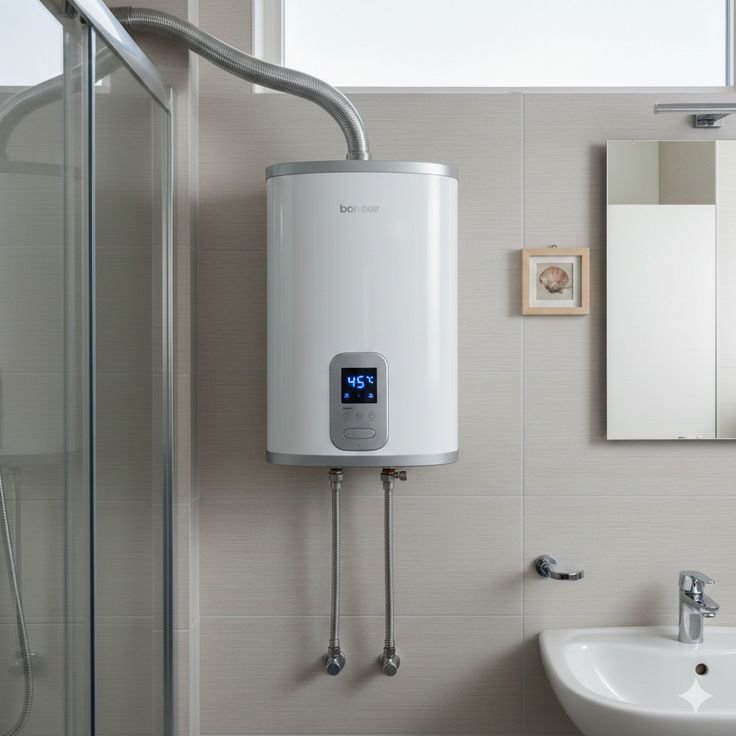
bringing it all together
Water heater maintenance doesn’t have to be complicated or time-consuming. What matters is understanding how the system works and addressing the areas where problems tend to develop.
Sediment buildup, mineral deposits, corrosion, and blockages are all natural consequences of regular use. Ignoring them leads to inefficiency and failure, while managing them leads to longevity and reliability.
Think of your water heater as an investment. A little care goes a long way in protecting that investment.
Instead of waiting for cold showers or expensive repairs, take a proactive approach. Use these nine ideas as a guide, adapt them to your needs, and build a routine that keeps your system running at its best.
over time, you’ll notice the difference—not just in performance, but in peace of mind.
frequently asked questions
- how often should i clean my water heater
Most experts recommend flushing your water heater at least once a year. If you live in an area with hard water, doing it every six months can provide better results and prevent heavy buildup. - can i use chemicals instead of vinegar for cleaning
Yes, but vinegar is often preferred because it’s natural, safe, and effective. Strong chemicals can sometimes damage internal components if not used carefully. - what happens if i never clean my water heater
Over time, sediment buildup can reduce efficiency, cause overheating, damage components, and eventually lead to tank failure. This often results in higher energy bills and costly repairs. - is it safe to clean a water heater by myself
Basic maintenance like flushing and descaling can usually be done safely if you follow proper steps. However, if you’re unsure or dealing with complex issues, it’s best to consult a professional. - how do i know if my water heater needs cleaning
Signs include strange noises (like popping or rumbling), reduced hot water supply, longer heating times, and higher energy costs. - does cleaning really extend the life of a water heater
Yes, regular cleaning prevents damage from sediment, corrosion, and buildup. This can significantly extend the lifespan of your heater and improve its performance over time.
About the Author