
7 Smart Water Heater Care Habits That Actually Work
7 Smart Water Heater Care Habits That Actually Work
There is something quietly comforting about turning on a tap and getting hot water without thinking twice. It’s one of those everyday luxuries that fades into the background—until it suddenly stops working. A water heater rarely demands attention, yet it plays a constant, behind-the-scenes role in daily life. The truth is, most water heaters don’t fail suddenly; they give subtle warnings over time, often ignored because everything still “works fine.”
What separates a water heater that lasts 5–7 years from one that runs efficiently for over a decade often comes down to small, consistent habits rather than expensive repairs or professional interventions. These habits aren’t complicated, and they don’t require technical expertise. They just require awareness and a bit of routine.
Below are seven smart water heater care habits that genuinely work—not theoretical advice, but practical actions rooted in real-world use.
- paying attention to the sounds your heater makes
A water heater doesn’t speak, but it communicates constantly through sound. Most people only notice their unit when it becomes loud enough to be annoying, but by then, the problem has already progressed.
A healthy water heater typically produces a low, steady hum. Anything beyond that—popping, rumbling, or crackling—usually points to sediment buildup at the bottom of the tank. When minerals settle and harden, water gets trapped beneath them. As the heater warms up, the trapped water turns to steam, creating those distinctive noises.
Think of it like cooking rice in a pot with leftover burnt grains at the bottom. The heat becomes uneven, and the sounds become sharper. Over time, this doesn’t just create noise; it forces the heater to work harder, raising energy costs and wearing down internal components.
What makes this habit powerful is its simplicity: pause occasionally and listen. Not just in passing, but intentionally. A minute of attention once a week can catch problems before they grow into expensive repairs.
- flushing the tank before it becomes necessary
Many homeowners wait until their water heater shows signs of trouble before flushing it. By that point, sediment buildup has often already hardened, making it harder to remove.
Instead, a proactive approach works far better. Flushing the tank once or twice a year keeps sediment from accumulating in the first place. It’s not just about maintenance—it’s about preserving efficiency.
Imagine trying to boil water in a kettle filled with sand. It would still heat up, but much slower, and it would require more energy. The same principle applies inside your heater.
A simple routine might look like this:
- Turn off the heater and water supply
- Attach a hose to the drain valve
- Let the water flow out until it runs clear
It doesn’t need to be perfect. Even partial flushing makes a difference. The goal is not to eliminate every grain of sediment, but to prevent buildup from becoming a thick, insulating layer.
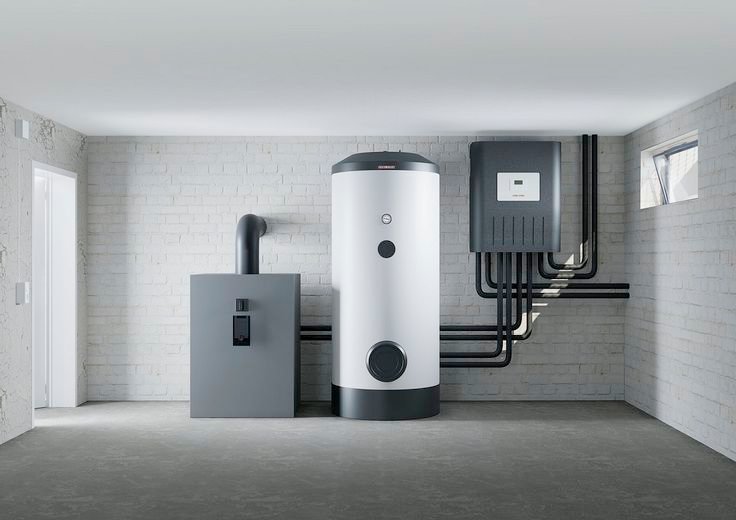
- adjusting the temperature with intention
Many people leave their water heater at the default factory setting, often higher than necessary. While hotter water might seem convenient, it places additional stress on the system.
Keeping the temperature around 120°F (49°C) is generally sufficient for household use. It reduces energy consumption, minimizes the risk of scalding, and slows down mineral buildup.
There’s also a less obvious benefit: lower temperatures extend the lifespan of internal components. High heat accelerates wear on heating elements and increases pressure inside the tank.
A useful way to think about it is like driving a car. Constantly pushing the engine to high speeds shortens its life. Maintaining a moderate, steady level keeps everything running smoothly for longer.
- checking the pressure relief valve without fear
The temperature and pressure relief (T&P) valve is one of the most important safety features in a water heater, yet it’s often ignored. Many people hesitate to test it because they’re unsure how it works or worry about causing damage.
In reality, testing the valve is simple and essential. Lifting the lever briefly allows water to discharge, confirming that the valve isn’t stuck. If nothing happens, or if it continues leaking afterward, it’s a sign that the valve needs attention.
This small component acts as a safeguard against excessive pressure. Without it, the tank could become dangerous under extreme conditions.
It helps to reframe this habit: you’re not “messing with” the heater—you’re verifying that its safety system is functional.
- noticing changes in water quality
Water often tells a story before equipment does. Subtle changes in color, smell, or taste can indicate issues within the heater.
Rust-colored water may suggest corrosion inside the tank or a failing anode rod. A metallic taste or unusual odor can also signal internal wear or bacterial growth.
Instead of dismissing these changes as temporary or unrelated, treat them as early warnings. Acting early can prevent more serious damage.
For example, replacing an anode rod—a relatively inexpensive component—can significantly extend the life of the tank by preventing rust from forming inside. Ignoring the signs, however, may lead to leaks or complete failure.
- giving the heater physical space and visibility
Water heaters are often tucked away in corners, closets, or basements, out of sight and out of mind. While this makes sense from a space perspective, it can lead to neglect.
Keeping the area around the heater clear serves multiple purposes. It allows proper airflow, reduces fire risk (especially for gas units), and makes inspections easier.
Visibility matters more than people realize. When you can easily see your heater, you’re more likely to notice leaks, rust, or unusual condensation.
A clutter-free space also makes routine tasks—like flushing the tank or checking valves—less of a chore. The easier something is to access, the more likely you are to maintain it.
- scheduling small check-ins instead of waiting for problems
Perhaps the most effective habit isn’t a specific action, but a mindset shift. Instead of reacting to problems, build a routine of small, consistent check-ins.
This doesn’t require a detailed checklist or technical knowledge. It can be as simple as:
- Glancing at the unit for leaks
- Listening for unusual sounds
- Checking that the area is dry and clean
- Noting any changes in water performance
These quick observations, done monthly or even casually, create familiarity. You begin to understand what “normal” looks like, making it easier to spot when something is off.
This habit turns maintenance from an occasional task into an ongoing awareness.
bringing it all together
What makes these seven habits effective is not their complexity, but their consistency. None of them require advanced tools or professional training. They rely on attention, routine, and a willingness to act before issues escalate.
A water heater doesn’t need constant intervention, but it does benefit from occasional care. The difference between neglect and maintenance often comes down to minutes, not hours.
Over time, these small efforts compound. They improve efficiency, reduce energy costs, and extend the life of the unit. More importantly, they prevent the inconvenience and expense of unexpected breakdowns.
In a way, caring for a water heater is less about fixing problems and more about building a relationship with an everyday system that quietly supports daily life.
frequently asked questions
- how often should I flush my water heater?
Flushing once or twice a year is usually enough for most households. If you live in an area with hard water, more frequent flushing may be beneficial to prevent heavy sediment buildup.
- what temperature is best for a water heater?
A setting around 120°F (49°C) is generally recommended. It balances comfort, safety, and energy efficiency while reducing wear on the system.
- how do I know if my anode rod needs replacing?
Signs include rust-colored water, a metallic smell, or visible corrosion if you inspect the rod. Typically, it should be checked every 2–3 years.
- is it normal for a water heater to make noise?
Some low-level noise is normal, but loud popping or rumbling usually indicates sediment buildup and should be addressed through flushing.
- can I perform maintenance myself or should I call a professional?
Many basic tasks—like flushing the tank or checking the valve—can be done yourself. However, if you’re unsure or notice significant issues, it’s best to consult a professional.
- how long should a water heater last?
With proper care, a standard tank water heater can last 8–12 years or longer. Consistent maintenance plays a major role in reaching the higher end of that range.
About the Author