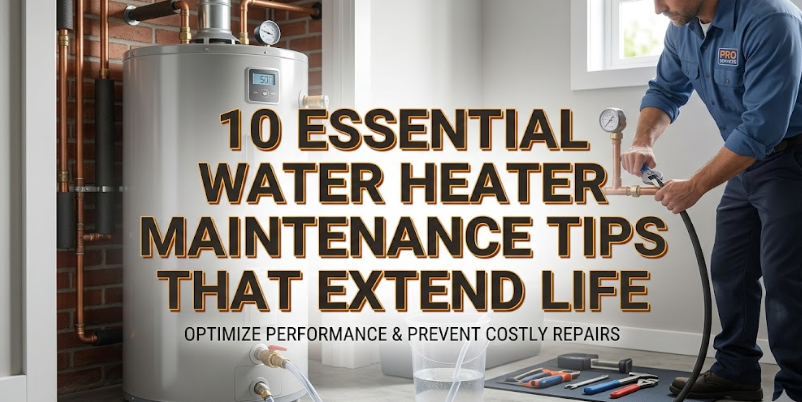
10 Essential Water Heater Maintenance Tips That Extend Life
10 essential water heater maintenance tips that extend life
There’s a quiet comfort in turning on a tap and knowing hot water will arrive within seconds. Whether it’s for a morning shower, washing dishes after a long day, or cleaning up a spill, a water heater sits in the background doing its job without applause. Most people don’t think about it until something goes wrong. By then, the inconvenience has already arrived—cold showers, strange noises, or even water pooling on the floor.
What many homeowners don’t realize is that a water heater’s lifespan isn’t fixed. It’s shaped by how it’s treated over the years. With consistent care, a unit that might otherwise fail in 6–8 years can last well beyond a decade. Maintenance doesn’t require specialized expertise in most cases; instead, it demands awareness, routine, and a little patience.
This article explores ten essential maintenance tips that go beyond surface-level advice. These are practical, real-world actions you can take to extend the life of your water heater, improve efficiency, and avoid unexpected breakdowns.
understanding your water heater before maintenance begins
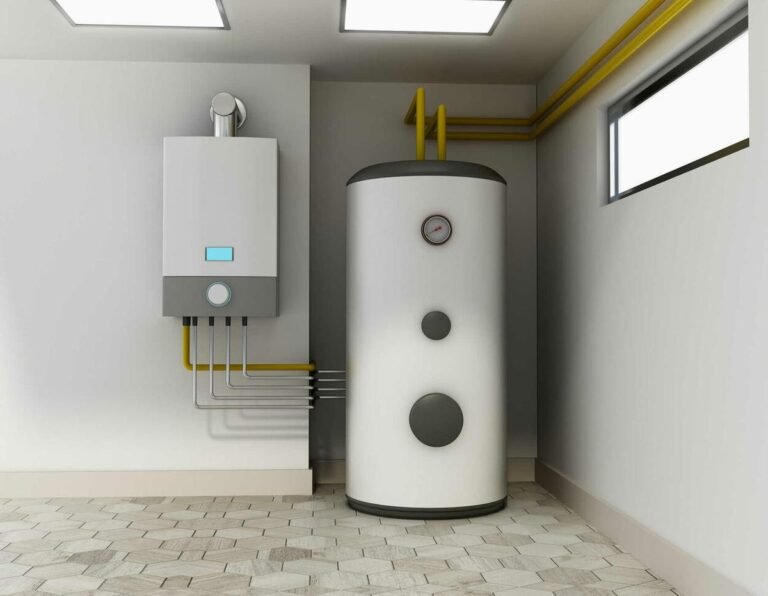
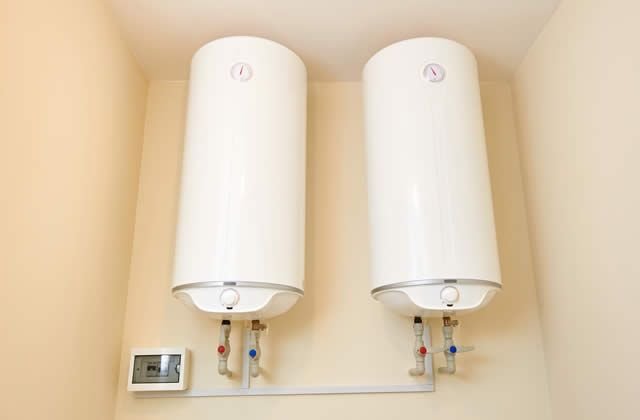
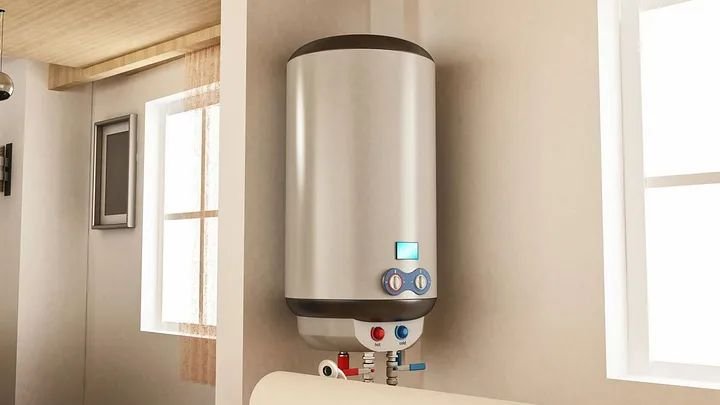
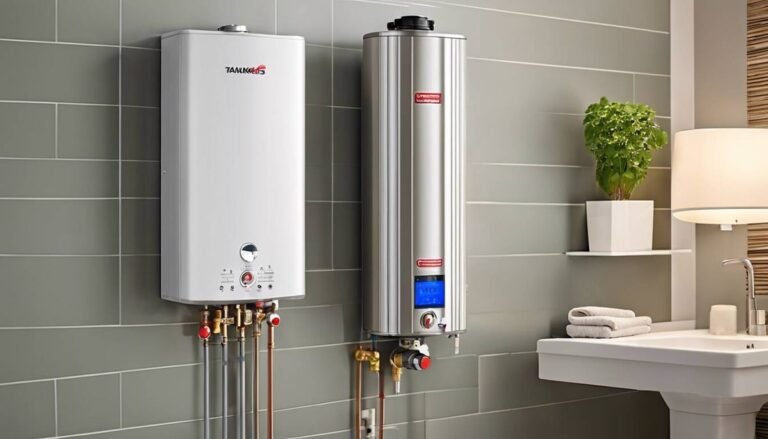
Before diving into maintenance, it’s helpful to understand what you’re working with. Water heaters generally fall into two categories: tank-based and tankless. Tank-based systems store heated water and keep it ready for use, while tankless systems heat water on demand.
Each type has its own maintenance requirements, but the principles of care—cleanliness, pressure control, and temperature regulation—remain consistent. If you know your unit’s model, capacity, and age, you’ll be better prepared to maintain it effectively.
tip 1: flush the tank regularly
Sediment buildup is one of the most common reasons water heaters lose efficiency and fail prematurely. Minerals like calcium and magnesium settle at the bottom of the tank over time, especially in areas with hard water.
Flushing the tank removes this sediment and restores efficiency.
how often should you flush?
- once a year for normal use
- twice a year if you have hard water
what happens if you don’t?
Sediment acts like insulation between the heating element and the water. This forces the heater to work harder, increasing energy consumption and accelerating wear. In extreme cases, it can cause overheating and damage the tank lining.
simple process overview
Turn off the heater, connect a hose to the drain valve, and let the water flow out until it runs clear. It’s a simple task that delivers significant long-term benefits.
tip 2: check the anode rod
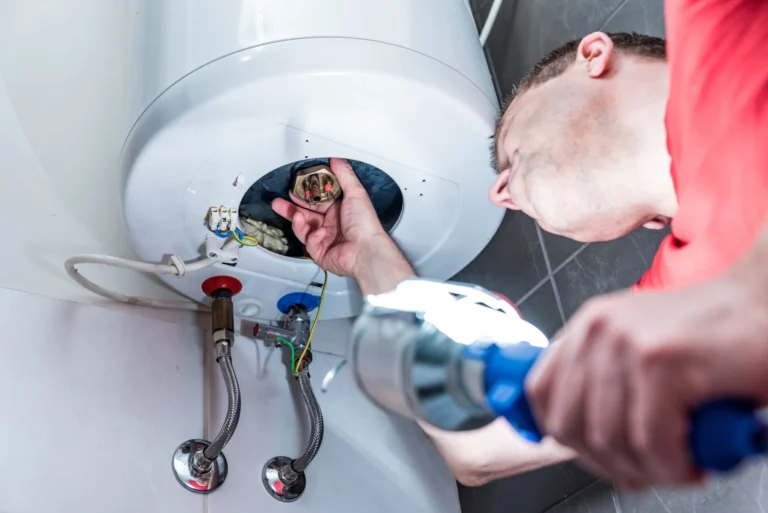
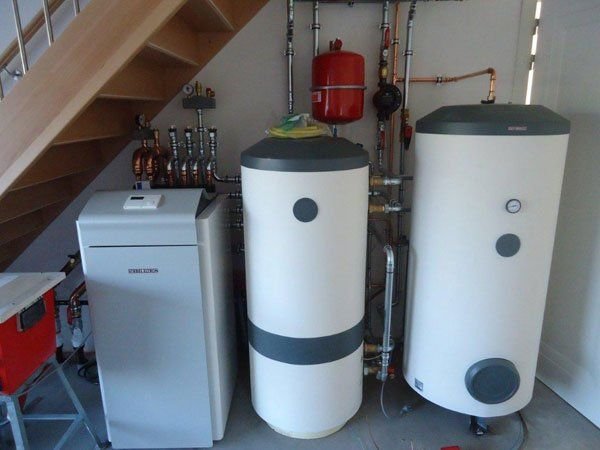
Inside every tank water heater is a component most people never see: the anode rod. Its job is to attract corrosive elements in the water, protecting the tank from rust.
Think of it as a sacrificial shield.
why it matters
Without a functioning anode rod, corrosion begins attacking the tank walls directly. Once rust takes hold, replacement becomes inevitable.
maintenance advice
- inspect every 2–3 years
- replace if more than 50% worn
signs of a failing rod
- rusty water
- metallic smell
- visible corrosion
Replacing an anode rod is far cheaper than replacing an entire water heater.
tip 3: test the pressure relief valve
The temperature and pressure relief (T&P) valve is a critical safety feature. It releases water if pressure or temperature rises beyond safe limits.
how to test it
Lift the valve lever briefly and allow some water to discharge. If water flows freely and stops when released, it’s working properly.
warning signs
- no water comes out
- valve leaks continuously
Ignoring this component can be dangerous. A malfunctioning valve can allow pressure to build up, potentially leading to tank rupture.
tip 4: adjust the thermostat setting
Many water heaters are set higher than necessary. While hotter water may seem desirable, excessive temperatures increase wear, energy consumption, and risk of scalding.
recommended temperature
- around 120°F (49°C)
benefits of lowering temperature
- reduces energy bills
- slows mineral buildup
- extends heater lifespan
This simple adjustment can make a noticeable difference over time.
tip 5: insulate the tank and pipes
Heat loss is a silent energy drain. When a water heater constantly reheats water due to heat escaping, it works harder than necessary.
solutions
- install an insulating blanket around the tank
- wrap exposed hot water pipes
results
- improved efficiency
- reduced heating cycles
- longer component life
This is especially useful in colder climates or unheated spaces.
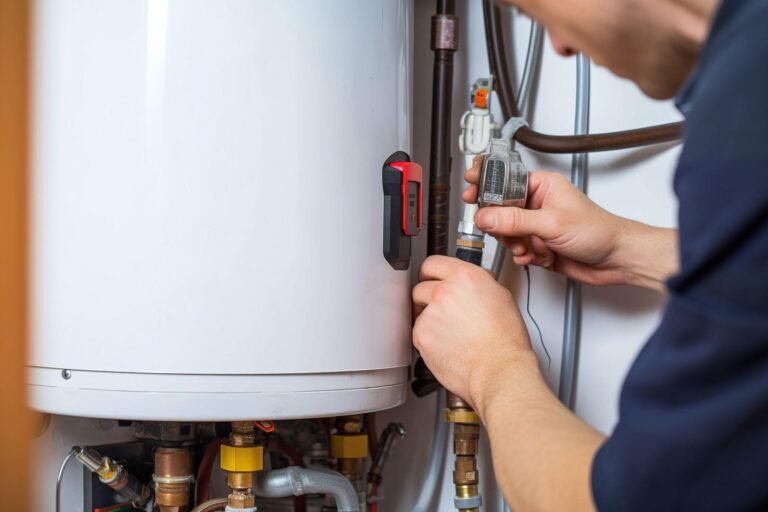
tip 6: inspect for leaks and corrosion
Small leaks often go unnoticed until they become major problems. Regular visual inspections can catch issues early.
what to look for
- moisture around the base
- rust spots on the tank
- dripping connections
why it matters
Even minor leaks can lead to structural damage, mold growth, and eventual system failure.
make it a habit
Take a few minutes every month to visually inspect your water heater. Early detection can save significant repair costs.
tip 7: maintain proper water pressure
Excessive water pressure puts stress on your entire plumbing system, including the water heater.
ideal pressure range
- 40–60 psi
how to manage it
- install a pressure regulator if needed
- check pressure with a gauge
high pressure effects
- faster wear on internal components
- increased risk of leaks
Keeping pressure in check ensures smoother operation and longer lifespan.
tip 8: clean air intake and vents (for gas heaters)
Gas water heaters rely on proper airflow for safe combustion. Dust, debris, or blockages can interfere with performance.
maintenance steps
- clean air intake openings
- check vent pipes for obstructions
signs of trouble
- yellow or flickering flame
- soot buildup
- unusual odors
Proper airflow ensures efficient combustion and prevents hazardous conditions.
tip 9: schedule periodic professional inspections
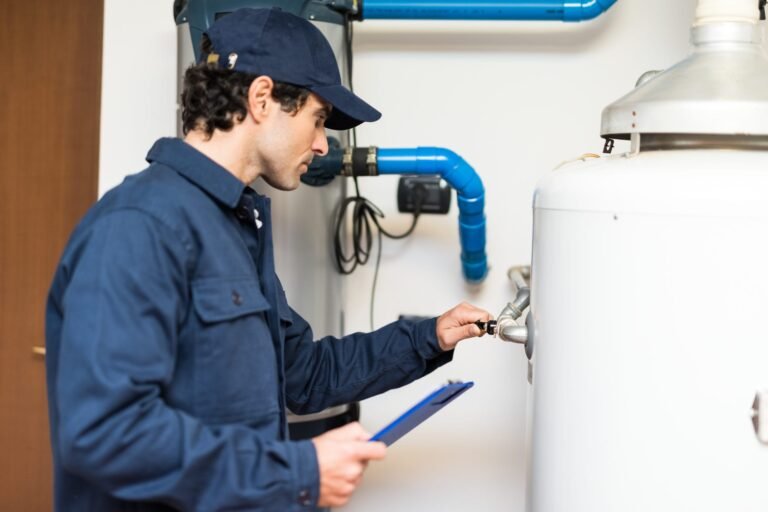
While many maintenance tasks can be done yourself, a professional inspection adds another layer of protection.
what professionals check
- internal components
- gas connections
- electrical systems
- overall efficiency
recommended frequency
- once every 1–2 years
A trained technician can spot issues you might overlook and provide preventive solutions.
tip 10: keep the area around the heater clear
It may seem minor, but the space around your water heater matters more than you think.
why it’s important
- allows proper ventilation
- reduces fire hazards
- makes maintenance easier
best practices
- keep at least 2 feet of clearance
- avoid storing flammable materials nearby
A clutter-free area contributes to both safety and efficiency.
bringing it all together
Maintaining a water heater isn’t about performing one big task once a year. It’s about building small habits that protect the system over time. Each tip in this guide addresses a specific aspect of wear and tear—sediment, pressure, heat loss, or corrosion.
When combined, these practices create a maintenance routine that keeps your water heater running efficiently and reliably.
Imagine the difference between two households. One ignores their water heater until it fails, facing unexpected costs and inconvenience. The other follows simple maintenance steps, enjoying consistent performance and saving money over time.
The difference isn’t luck—it’s care.
A well-maintained water heater doesn’t just last longer. It performs better, consumes less energy, and provides peace of mind.
frequently asked questions
- how long should a water heater last with proper maintenance?
With regular maintenance, a traditional tank water heater can last 10–15 years or more. Tankless systems may last even longer, often exceeding 20 years. - is it necessary to flush the tank every year?
Yes, annual flushing helps remove sediment buildup and maintain efficiency. In areas with hard water, flushing twice a year is recommended. - can i replace the anode rod myself?
Yes, if you’re comfortable using basic tools. However, it may require some effort to loosen the rod, and professional help is an option if needed. - what are the signs that my water heater needs immediate attention?
Look for leaks, unusual noises, rusty water, or inconsistent temperatures. These signs indicate potential problems that should be addressed quickly. - does lowering the temperature really make a difference?
Absolutely. Lowering the temperature reduces energy consumption, slows mineral buildup, and minimizes wear on internal components. - when should i consider replacing instead of repairing?
If your water heater is over 10–12 years old and experiencing frequent issues, replacement may be more cost-effective than continued repairs.
In the end, your water heater is an investment that rewards attention. A little effort today can prevent major problems tomorrow, ensuring that the comfort of hot water remains a constant in your daily life.
About the Author