6 Powerful Water Heater Troubleshooting Tricks That Save Money
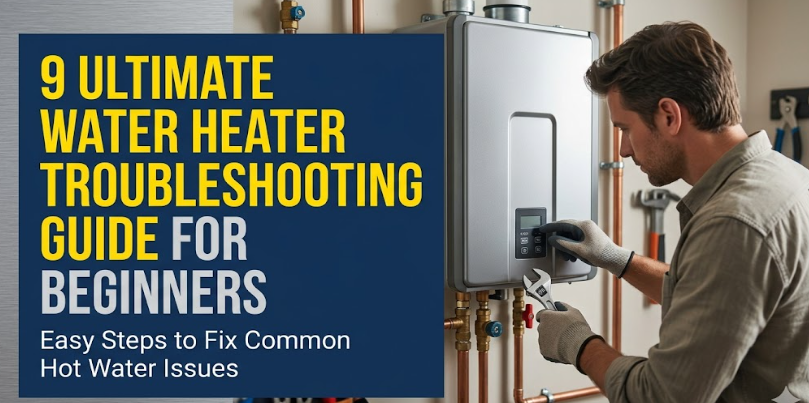
9 ultimate water heater troubleshooting guide for beginners
There’s something oddly comforting about turning on a tap and getting hot water instantly. It’s one of those everyday conveniences we rarely think about—until something goes wrong. A water heater can fail quietly, slowly losing efficiency, or it can stop working all at once, leaving you in a cold and frustrating situation.
If you’re a beginner, the idea of troubleshooting a water heater might sound intimidating. Pipes, valves, thermostats, and heating elements can feel like a foreign language. But the truth is, most common water heater issues are surprisingly manageable once you understand a few basic principles.
This guide isn’t just a checklist—it’s a practical walk-through filled with real-life insights, observations, and step-by-step reasoning that helps you understand not just what to do, but why you’re doing it.
Let’s get into it.
- understanding how your water heater actually works
Before you fix anything, it helps to know what you’re dealing with.
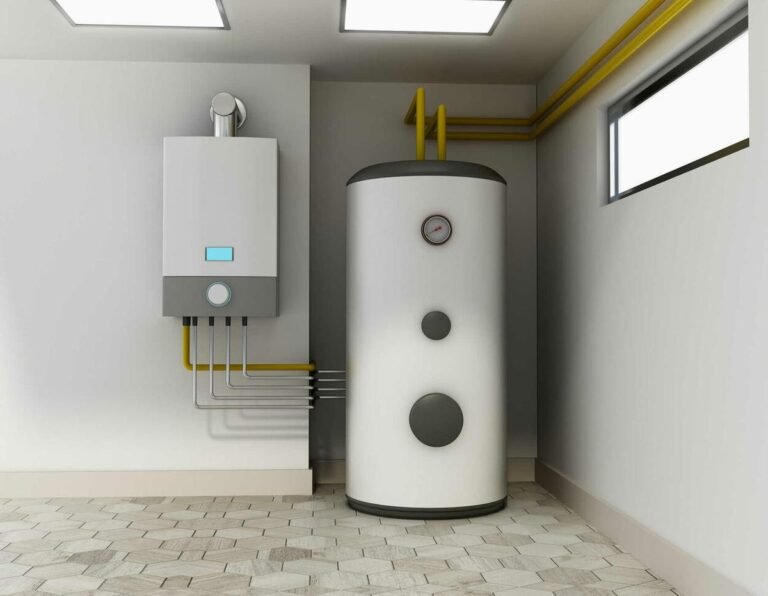
Most homes use one of two types of water heaters:
- electric water heaters
- gas water heaters
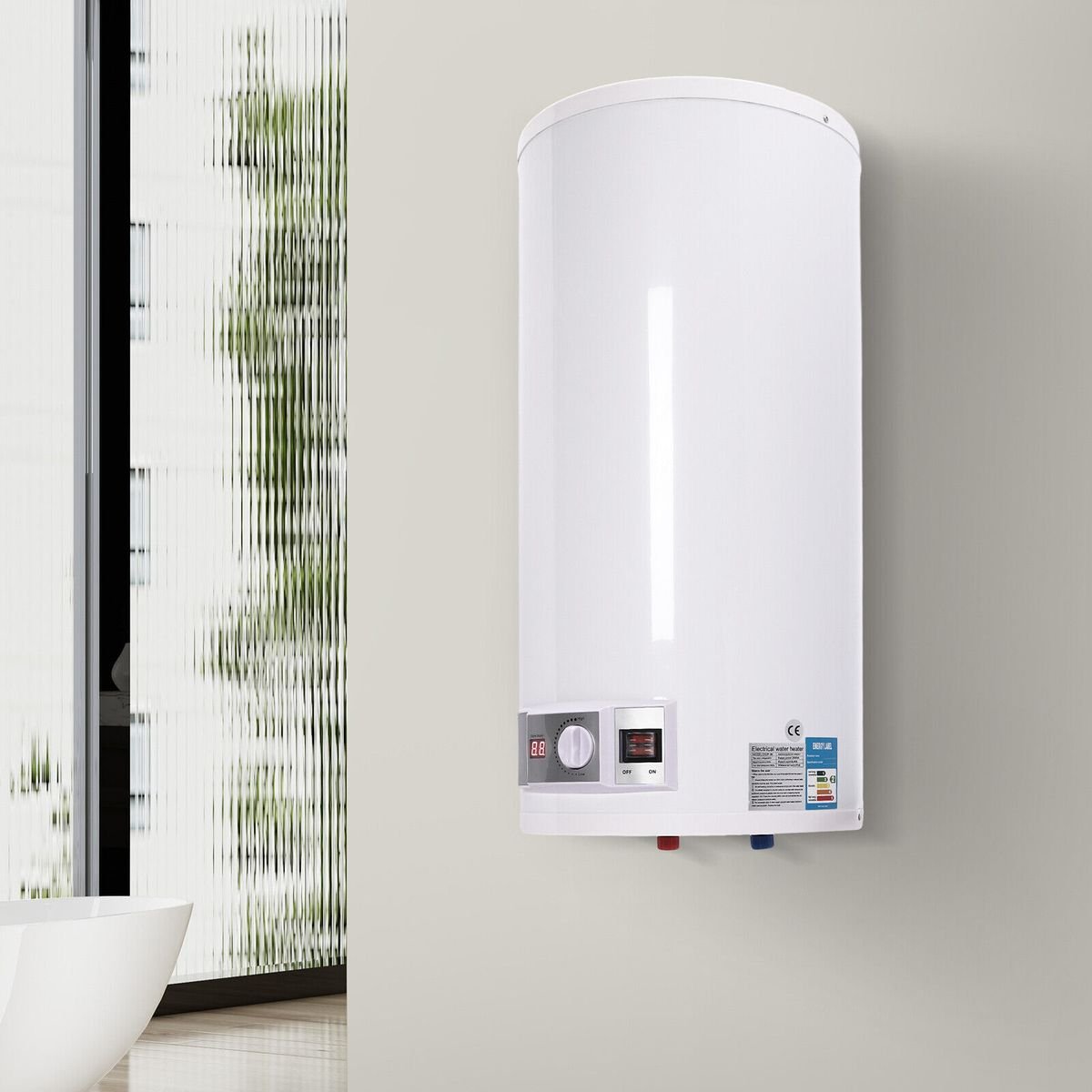
Electric heaters rely on heating elements inside the tank. Gas heaters use a burner at the bottom. Both types store hot water in a tank and release it when needed.
Think of your water heater like a giant thermos with a brain. The insulation keeps the water hot, while the thermostat tells it when to heat up again. If any part of this system fails, the whole experience changes.
A beginner mistake is jumping straight into fixing without understanding the system. Instead, take a moment to observe:
Is the water completely cold?
Is it warm but not hot enough?
Does it run out too fast?
Are there strange sounds?
Each symptom points toward a different issue.
- no hot water at all: where to start
This is the most obvious and frustrating problem.
If you turn on the tap and get nothing but cold water, don’t panic. Start simple.
For electric heaters:
- check the circuit breaker
- reset it if it has tripped
- inspect the power supply
Sometimes the issue isn’t the heater at all—it’s just a power interruption.
For gas heaters:
- check if the pilot light is on
- if it’s off, try relighting it carefully
- make sure the gas supply is active
One time, I spent an hour worrying about a “broken” heater, only to realize the gas valve had been turned off during cleaning.
If power and gas are both fine, the problem might be:
- a faulty thermostat
- a burned-out heating element
- a malfunctioning thermocouple
At this point, you’re moving from simple checks into component-level troubleshooting.
- water is warm but not hot enough
This is a subtle issue that often gets ignored until it becomes unbearable.
If your water is lukewarm, consider these possibilities:
thermostat setting
Many heaters are set too low by default. Try increasing the temperature slightly. Be cautious—too hot can be dangerous.
sediment buildup
Over time, minerals settle at the bottom of the tank. This layer acts like a barrier between the heat source and the water.
You might notice:
- reduced heating efficiency
- longer heating times
A tank flush can make a surprising difference.
heating element failure
Electric heaters usually have two elements. If one fails, you’ll still get some heat—but not enough.
This creates a confusing situation where the system seems partially functional.
- hot water runs out too quickly
You start your shower, and everything is perfect—for about five minutes.
Then suddenly, cold water.
This usually means your heater isn’t keeping up with demand.
common causes:
sediment accumulation
This reduces the effective capacity of the tank.
broken dip tube
The dip tube directs cold water to the bottom of the tank. If it breaks, cold water mixes with hot water at the top.
The result? Lukewarm water much faster than expected.
undersized heater
Sometimes the issue isn’t a malfunction—it’s a mismatch. If your household demand has increased, your heater may simply be too small.
This is especially common after:
- adding new appliances
- increasing family size
- strange noises coming from the tank
Water heaters aren’t completely silent, but loud or unusual sounds are a warning sign.
common noises include:
popping or rumbling
Usually caused by sediment buildup. As water gets trapped under the sediment layer, it forms bubbles that burst violently.
hissing
Could indicate a leak or internal pressure issue.
cracking sounds
Often linked to rapid temperature changes inside the tank.
These noises are more than just annoying—they signal inefficiency and potential damage.
Flushing the tank often resolves the issue. If ignored, it can lead to overheating and even tank failure.
- water looks rusty or smells bad
Clean hot water should be clear and odorless.
If you notice discoloration or smell, consider these factors:
rusty water
This may come from:
- corrosion inside the tank
- aging pipes
If only hot water is affected, the heater is likely the source.
A failing anode rod is often the culprit. This rod is designed to attract corrosive elements, sacrificing itself to protect the tank.
Once it’s worn out, rust begins to form inside the tank.
bad smell (like rotten eggs)
This is usually caused by bacteria reacting with the anode rod.
A simple fix might involve:
- flushing the tank
- replacing the anode rod
- disinfecting the system
It’s unpleasant, but fixable.
- leaks around the water heater
Leaks are serious. Even a small drip can turn into a big problem.
Start by identifying the source:
top of the tank
Could be loose connections or faulty valves.
bottom of the tank
Often indicates internal damage or corrosion. This is more serious.
pressure relief valve
If this valve is leaking, it might be due to excessive pressure or temperature.
Loose fittings can usually be tightened. But if the tank itself is leaking, replacement is often the only option.
A helpful habit: place a dry cloth under suspected leak areas and check it after a few hours. It makes detection easier.
- inconsistent water temperature
One moment the water is hot, the next it’s cold.
This inconsistency can be frustrating and confusing.
possible causes:
thermostat malfunction
It may not be accurately reading or controlling temperature.
mineral buildup
This interferes with heat transfer.
crossed plumbing lines
In some cases, cold water mixes with hot water due to faulty plumbing connections.
Troubleshooting here requires patience. Observe patterns:
- does it happen during heavy usage?
- is it random?
Patterns help narrow down the issue.
- pilot light won’t stay lit (gas heaters)
This is a classic issue for gas water heaters.
If the pilot light keeps going out, consider:
dirty pilot tube
Dust and debris can block the flame.
faulty thermocouple
This safety device shuts off gas if the pilot light goes out. If it’s defective, it may cut gas even when the flame is on.
gas supply issues
Low pressure can cause instability.
Relighting the pilot is usually straightforward, but if it won’t stay lit, the thermocouple is often the main suspect.
practical maintenance habits that prevent most problems
Troubleshooting is useful, but prevention is better.
simple habits:
flush the tank once or twice a year
This removes sediment buildup.
check the anode rod every couple of years
Replacing it can extend the life of your heater significantly.
inspect for leaks regularly
Catching small issues early saves money.
test the pressure relief valve
Ensure it’s functioning properly.
These steps don’t require advanced skills, just consistency.
a beginner’s mindset: patience over panic
One of the biggest challenges isn’t technical—it’s psychological.
When something stops working, it’s easy to assume the worst. But most water heater problems develop gradually.
Instead of jumping to conclusions:
- observe symptoms carefully
- test one thing at a time
- avoid rushing into complex fixes
Think of troubleshooting like solving a puzzle. Each clue matters.
when to call a professional
Not every problem should be handled alone.
call for help if:
- you suspect gas leaks
- there’s major electrical damage
- the tank is leaking internally
- you’re unsure about safety
There’s no shame in asking for help. In fact, knowing your limits is part of being a smart homeowner.
final thoughts
A water heater may seem like a complicated machine, but at its core, it’s a system of simple parts working together. When one part fails, the symptoms tell a story.
By learning to read those signs, you move from being dependent to being capable.
You don’t need to be an expert—you just need to be observant, patient, and willing to learn.
Over time, what once felt intimidating becomes familiar. And the next time your hot water disappears, you won’t panic—you’ll troubleshoot.
frequently asked questions
- how often should i flush my water heater?
Ideally, once or twice a year. If you live in an area with hard water, more frequent flushing may be needed to prevent sediment buildup. - is it dangerous to increase the thermostat temperature?
It can be if set too high. Temperatures above a certain level can cause burns. Always increase gradually and test the water. - why does my hot water smell like rotten eggs?
This is usually due to bacteria reacting with the anode rod inside the tank. Flushing and replacing the rod often solves the issue. - can i replace a heating element myself?
Yes, if you’re comfortable with basic electrical work and safety precautions. Always turn off power before attempting any repairs. - how long does a water heater typically last?
Most water heaters last between 8 to 12 years, depending on maintenance and water quality. - what’s the first thing i should check if there’s no hot water?
Start with the basics: power supply for electric heaters or pilot light for gas heaters. These are the most common and easiest issues to fix.
About the Author