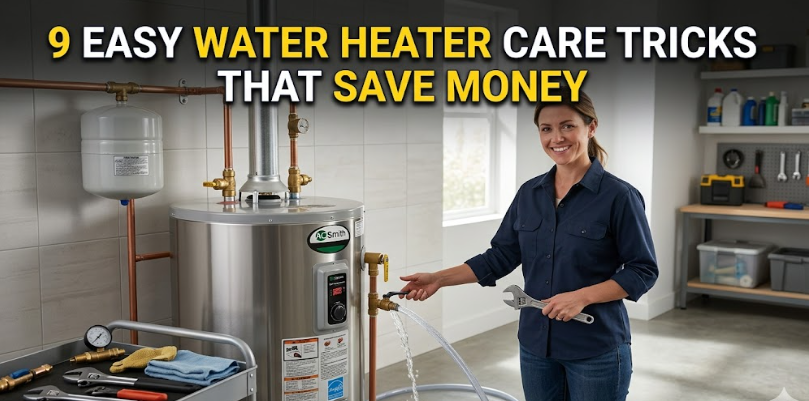
9 Easy Water Heater Care Tricks That Save Money
9 easy water heater care tricks that save money
There is something quietly comforting about turning on a tap and getting hot water instantly. It feels like a small luxury that blends into everyday life—until the day it doesn’t. A strange noise, a sudden drop in temperature, or a spike in your energy bill can remind you that your water heater isn’t just a background appliance; it’s a hardworking system that needs a bit of attention.
Most people only think about their water heater when something goes wrong. That approach, while common, often leads to unnecessary expenses. The truth is, a few simple habits—nothing technical or time-consuming—can significantly extend the life of your heater and reduce the amount you spend on energy and repairs.
This article explores nine easy, practical tricks that actually work. These are not complicated procedures reserved for professionals. They are small actions that fit into normal routines, the kind you can remember without setting reminders on your phone. More importantly, they help you save money in ways that add up over time.
trick one: lower the thermostat and keep it there
Many water heaters come preset at a temperature that is higher than necessary. While it might feel reassuring to have very hot water available, it often leads to wasted energy and higher utility bills.
A temperature setting of around 49°C (120°F) is usually sufficient for most households. It’s hot enough for showers, washing dishes, and doing laundry, but not so hot that it causes excessive energy use or increases the risk of burns.
Lowering the thermostat by just a few degrees can have a noticeable effect on your monthly bill. It also reduces wear and tear on the heater, because it doesn’t have to work as hard to maintain higher temperatures.
A simple routine can help you stick to this habit:
- Check the thermostat once every season
- Adjust slightly during extreme weather if needed
- Avoid the temptation to increase it unnecessarily
Over time, this one small change can quietly save you a meaningful amount of money.
trick two: drain a little water every few months
Sediment buildup is one of the most common reasons water heaters lose efficiency. Minerals in the water settle at the bottom of the tank, forming a layer that interferes with heat transfer.
When this happens, your heater has to work harder and use more energy to heat the same amount of water. In some cases, it can even lead to damage inside the tank.
Draining a small amount of water—just a few liters—every few months helps flush out this sediment. It’s not necessary to empty the entire tank unless you’re doing a full maintenance check.
Here’s a simple approach:
- Turn off the power or gas supply
- Let the water cool slightly
- Open the drain valve briefly
- Allow sediment to flow out
- Close the valve and restore power
Even if you’re not particularly handy, this is a manageable task with basic care. The savings come not just from improved efficiency, but also from avoiding expensive repairs later.
trick three: insulate the tank and pipes
Heat loss is a silent cost. Water heaters, especially older models, can lose heat even when they are not actively being used. This means the system cycles more often to maintain temperature.
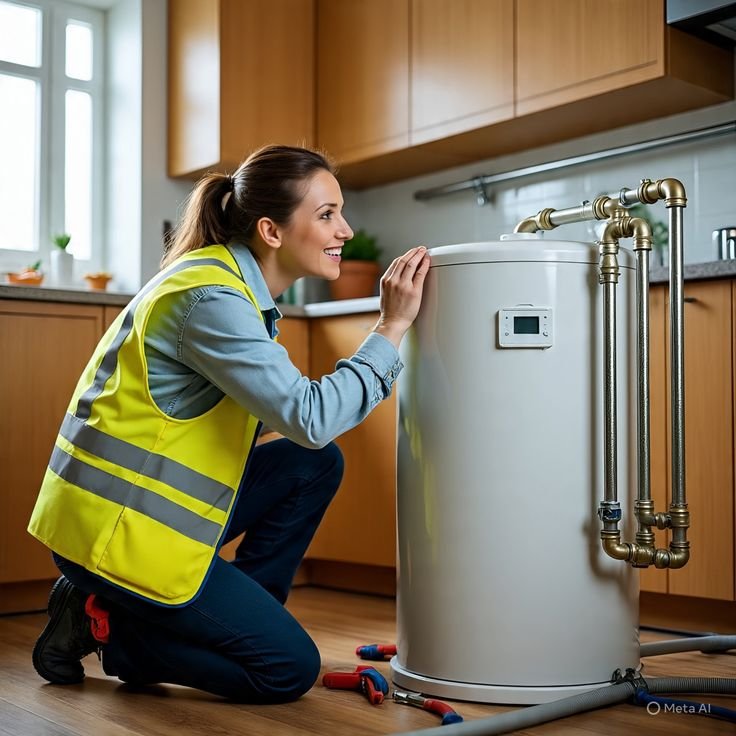
Insulating the tank is one of the easiest ways to reduce this loss. Insulation blankets are inexpensive and widely available. They wrap around the heater and help retain heat inside.
Don’t stop at the tank. The first few feet of hot water pipes are also important. Insulating them ensures that hot water reaches your tap faster, which reduces the amount of water you waste while waiting.
Benefits you may notice:
- Lower energy consumption
- Faster hot water delivery
- Reduced strain on the heater
It’s a small investment upfront, but it often pays for itself within a few months.
trick four: fix leaks immediately, even small ones
A dripping valve or a minor leak might not seem urgent, but it can lead to both water and energy loss. Even a small leak forces the heater to refill and reheat water more frequently.
Leaks can occur in several places:
- Pressure relief valve
- Drain valve
- Pipe connections
The key is not to ignore them. What starts as a slow drip can turn into a larger problem if left unattended.
A quick inspection every now and then can make a big difference. If you notice moisture or pooling water around the base, it’s worth investigating right away.
Addressing leaks early saves money in three ways:
- Prevents wasted water
- Reduces energy use
- Avoids potential structural damage
trick five: use less hot water without feeling it
Saving money doesn’t always require reducing comfort. In many cases, it’s about using hot water more efficiently rather than using less of it.
Consider a few simple adjustments:
- Take slightly shorter showers
- Wash clothes in warm or cold water when possible
- Turn off the tap while scrubbing dishes
These changes don’t require major lifestyle shifts, but they reduce the workload on your water heater.
Another idea is to install low-flow fixtures. Modern showerheads and faucets are designed to maintain pressure while using less water. This means you can enjoy the same experience with less energy consumption.
Over time, these small habits compound into noticeable savings.
trick six: schedule a quick annual check
Even if everything seems to be working fine, a yearly check can catch issues before they become expensive problems. This doesn’t always require a professional—though calling one occasionally is a good idea.
You can perform a basic check yourself:
- Listen for unusual noises
- Check for rust or corrosion
- Inspect connections and valves
- Ensure the pilot light (if applicable) is stable
If anything seems off, it’s better to address it early. Waiting until the heater fails completely often leads to higher repair costs or even replacement.
Think of it like a routine health check. A little attention now can prevent bigger problems later.
trick seven: test the pressure relief valve
The pressure relief valve is a safety feature that prevents excessive pressure from building up inside the tank. If it’s not functioning properly, it can lead to dangerous situations.
Testing it is simple:
- Lift the valve lever briefly
- Allow some water to flow out
- Release the lever
You should hear a slight rush of water. If nothing happens, or if the valve continues to leak afterward, it may need replacement.
While this might not seem directly related to saving money, it helps avoid costly damage and ensures the system operates safely.
trick eight: consider the timing of usage
Most households have peak times when hot water usage is highest—usually mornings and evenings. During these periods, the heater works harder to keep up with demand.
Spreading out usage can improve efficiency. For example:
- Run the dishwasher at a different time than showers
- Do laundry during off-peak hours
- Avoid multiple hot water tasks at once
This reduces strain on the heater and can lead to more consistent performance.
In some areas, energy rates also vary depending on the time of day. Using hot water during off-peak hours can lead to additional savings.
trick nine: know when it’s time to upgrade
No amount of maintenance can make an old, inefficient water heater perform like a new one. If your unit is over 10–12 years old and requires frequent repairs, it might be more cost-effective to replace it.
Modern water heaters are designed to be more energy-efficient. While the upfront cost may seem high, the long-term savings can be significant.
Signs that it may be time to upgrade:
- Rising energy bills
- Inconsistent water temperature
- Frequent repairs
- Visible rust or corrosion
Making the decision to replace rather than repair can feel difficult, but it often pays off over time.
bringing it all together
Caring for your water heater doesn’t require specialized skills or a lot of time. The key is consistency. Small actions, done regularly, can prevent major issues and keep your system running efficiently.
What makes these tricks effective is their simplicity. They don’t rely on complicated tools or expensive services. Instead, they focus on awareness and routine—paying attention to how your system behaves and responding before problems escalate.
Saving money in this context isn’t about drastic changes. It’s about avoiding waste, improving efficiency, and extending the life of something you already own.
If you adopt even a few of these habits, you’ll likely notice a difference—not just in your utility bills, but in the reliability of your hot water system as well.
frequently asked questions
- how often should i drain my water heater?
It’s generally recommended to drain a small amount of water every 3–6 months to remove sediment. A full flush can be done once a year if needed.
- is it safe to lower the thermostat on my water heater?
Yes, lowering the temperature to around 49°C (120°F) is safe for most households and helps reduce energy consumption while still providing adequate hot water.
- what are the signs of sediment buildup?
Common signs include unusual noises (like popping or rumbling), reduced efficiency, and longer heating times.
- can insulating my water heater really save money?
Yes, insulation reduces heat loss, which means the heater doesn’t have to work as hard. This leads to lower energy bills over time.
- how do i know if my water heater needs replacing?
If it’s over 10–12 years old, requires frequent repairs, or shows signs of rust and inefficiency, it may be time to consider a replacement.
- do small leaks really matter?
Absolutely. Even small leaks can lead to wasted water and increased energy use. Addressing them early prevents bigger and more expensive problems.
By keeping these simple practices in mind, you turn what is often an overlooked appliance into something that works smarter, lasts longer, and costs less to maintain.
About the Author