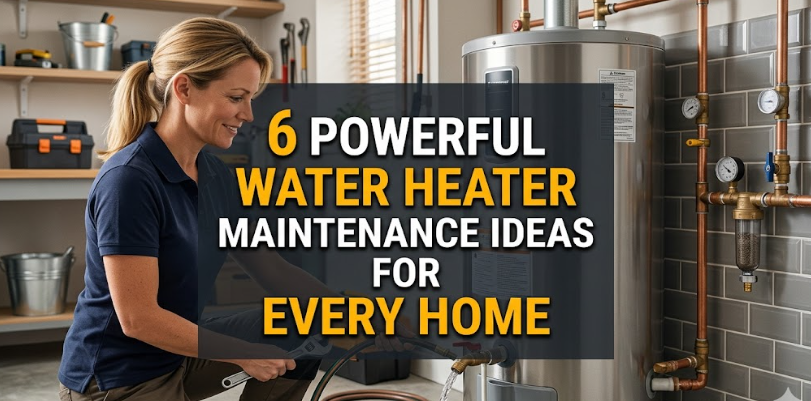
6 Powerful Water Heater Maintenance Ideas for Every Home
6 Powerful Water Heater Maintenance Ideas for Every Home
A water heater is one of those household systems that quietly does its job until the day it doesn’t. Most people don’t think about it until they step into a cold shower or notice rising utility bills. Yet, a little attention throughout the year can extend its life, improve efficiency, and prevent costly breakdowns. Maintenance doesn’t have to be technical or overwhelming. In fact, the most effective habits are often simple, repeatable, and grounded in awareness.
This guide explores six practical and powerful maintenance ideas that go beyond surface-level advice. These are not just checklists, but habits shaped by real-world use, observation, and long-term savings. Along the way, you’ll also find small reflections, examples, and actionable tips that make the process feel less like a chore and more like a smart routine.
idea 1: paying attention to subtle changes before they become big problems
One of the most underrated maintenance skills is simply paying attention. Water heaters rarely fail without warning. They whisper before they shout. A faint rumbling sound, slightly discolored water, or a small delay in heating can all signal underlying issues.
Think of your water heater like a car engine. You don’t wait for it to stop working entirely before you take action. Instead, you notice the small differences — a new noise, a drop in performance, or a change in smell.
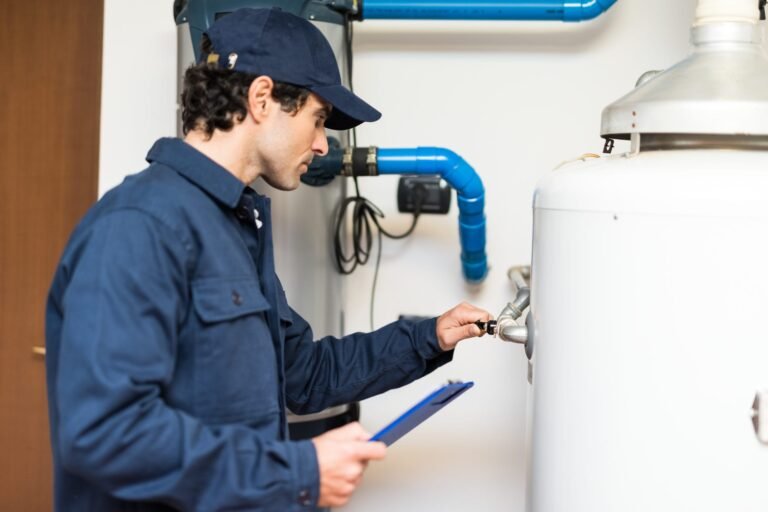
A useful habit is to observe your water heater once every couple of weeks. You don’t need tools. Just stand near it for a minute or two. Listen carefully. Look for moisture around the base. Notice if the surrounding area feels unusually warm or damp.
Another practical step is to track your hot water performance. For example:
- Does the hot water run out faster than before?
- Is the temperature inconsistent?
- Are there popping or cracking sounds during heating cycles?
Writing these observations down in a small notebook or phone note can help you detect patterns over time. This transforms maintenance from guesswork into awareness.
A short reflection exercise:
Next time you use hot water, pause for a moment and ask yourself: does this feel the same as it did last month? That simple question can prevent future headaches.
idea 2: draining the tank to remove hidden buildup
Sediment buildup is one of the most common issues in water heaters, especially in areas with hard water. Over time, minerals settle at the bottom of the tank, forming a layer that reduces heating efficiency and can even cause overheating.
Draining the tank periodically helps remove this buildup. While many homeowners ignore this step, it’s one of the most impactful maintenance actions you can take.
Here’s a simplified approach:
- Turn off the power supply (electric) or gas supply.
- Allow the water to cool slightly.
- Connect a hose to the drain valve.
- Let the water flow out until it runs clear.
Even doing this once or twice a year can make a noticeable difference.
Imagine cooking in a pot that you never clean. Eventually, residue builds up and affects everything you cook. Your water heater works the same way. Cleaning it allows it to operate efficiently again.
A practical tip:
If you’re unsure about doing a full drain, even a partial flush can help. Let a few gallons out instead of the entire tank. It’s better than doing nothing.
A small mindset shift:
Instead of seeing this as a technical task, think of it as “refreshing” your system. It’s like opening windows in a stuffy room.
idea 3: checking the temperature setting for efficiency and safety
Temperature settings are often overlooked, yet they play a crucial role in both energy savings and safety. Many water heaters are set higher than necessary, which not only wastes energy but also increases the risk of scalding.
A commonly recommended temperature is around 49°C (120°F). This provides enough heat for daily use while minimizing risks.
Take a moment to check your thermostat setting. It’s usually located on the tank or behind a small panel.
Here’s why this matters:
- Lower temperatures reduce energy consumption.
- They slow down mineral buildup.
- They extend the life of the heating elements.
An example scenario:
If your heater is set to a very high temperature, you may end up mixing more cold water every time you use it. This creates unnecessary strain on the system.
A simple experiment:
Try lowering the temperature slightly and observe your daily usage. Most people don’t notice a difference in comfort, but they do notice lower bills over time.
idea 4: inspecting the pressure relief valve for safety assurance
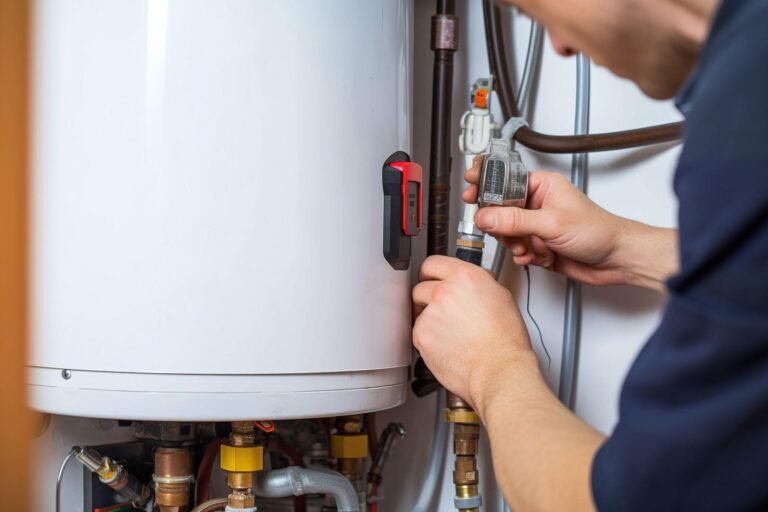
The pressure relief valve is a small but critical safety component. Its job is to release pressure if it builds up inside the tank, preventing dangerous situations.
Testing it occasionally ensures that it’s functioning properly.
Here’s how you can do a basic check:
- Place a bucket under the valve.
- Lift the valve lever slightly.
- Allow a small amount of water to flow out.
If water flows and then stops when you release the lever, the valve is likely working correctly.
If nothing happens, or if it continues to leak afterward, it may need replacement.
Think of this valve as a safety guard. You hope you never need it, but you definitely want it to work when required.
A relatable analogy:
It’s like a seatbelt in a car. You don’t use it actively, but you rely on it for protection.
A maintenance reminder:
Set a calendar reminder every six months to check this valve. It takes less than a minute but offers peace of mind.
idea 5: insulating the tank and pipes for better performance
Heat loss is a silent energy drain. Even when your water heater is working perfectly, uninsulated tanks and pipes can lose heat before it reaches your tap.
Adding insulation is a simple upgrade that improves efficiency immediately.
There are two main areas to focus on:
- The water heater tank itself
- The first few feet of hot water pipes
Insulation blankets are widely available and easy to install. Pipe insulation sleeves are even simpler — you just slide them over the pipes.
The result?
- Water stays hotter for longer
- The heater doesn’t need to work as hard
- You save energy over time
A real-life observation:
In colder months, you may notice that hot water takes longer to reach the tap. Insulated pipes help reduce this delay.
A practical tip:
Focus on the pipes closest to the heater. That’s where the most heat loss typically occurs.
A small reflection:
Sometimes, the best improvements come from preventing loss rather than increasing output.
idea 6: creating a simple maintenance routine that fits your lifestyle
The biggest challenge with maintenance is not complexity — it’s consistency. Even the best ideas won’t help if they’re forgotten.
Creating a routine that fits your lifestyle makes all the difference.
Here’s an example of a simple yearly plan:
- Monthly: Quick visual inspection
- Every 6 months: Check pressure relief valve
- Once or twice a year: Drain or flush the tank
- Annually: Review temperature setting and insulation
You can adapt this schedule based on your usage and environment.
A helpful strategy is to pair maintenance tasks with existing habits. For example:
- Check the heater when you clean your storage area
- Inspect it at the start of each season
- Set reminders on your phone
A small story:
A homeowner once decided to check their heater every time they paid their utility bill. It became a natural habit, and they caught a small leak early — saving a significant repair cost.
A mindset shift:
Instead of viewing maintenance as an obligation, see it as an investment in comfort and reliability.
bringing it all together
Water heater maintenance doesn’t require expert-level skills. It requires attention, consistency, and a willingness to act on small signs before they turn into bigger issues.
These six ideas — observation, draining, temperature control, valve checks, insulation, and routine building — work together as a system. Each one supports the others.
When you adopt these habits, you’re not just maintaining a machine. You’re creating a more efficient, reliable, and stress-free home environment.
Take a moment to reflect:
Which of these ideas can you start today? Even one small step can lead to noticeable improvements.
frequently asked questions
- how often should i drain my water heater?
It depends on your water quality, but generally once or twice a year is sufficient. If you have hard water, more frequent flushing may be beneficial. - is it safe to lower the water heater temperature?
Yes, lowering the temperature to around 49°C (120°F) is both safe and energy-efficient. It also reduces the risk of burns. - what are the signs that my water heater needs maintenance?
Common signs include unusual noises, inconsistent water temperature, reduced hot water supply, and visible leaks or rust. - can i perform maintenance myself or should i hire a professional?
Many basic tasks like inspection, temperature adjustment, and partial draining can be done yourself. However, for complex issues, it’s best to consult a professional. - does insulation really make a difference?
Yes, insulating your tank and pipes can significantly reduce heat loss, improve efficiency, and lower energy costs over time. - how long does a water heater typically last?
With proper maintenance, most water heaters last between 8 to 12 years. Regular care can help extend this lifespan even further.
By integrating these ideas into your routine, you turn maintenance into a manageable and rewarding process. Over time, the benefits compound — fewer surprises, lower costs, and a home that runs just a little more smoothly every day.
About the Author