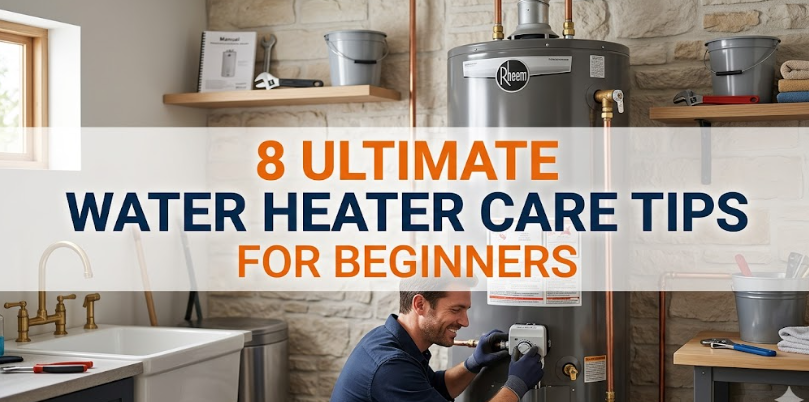
8 Ultimate Water Heater Care Tips for Beginners
8 ultimate water heater care tips for beginners
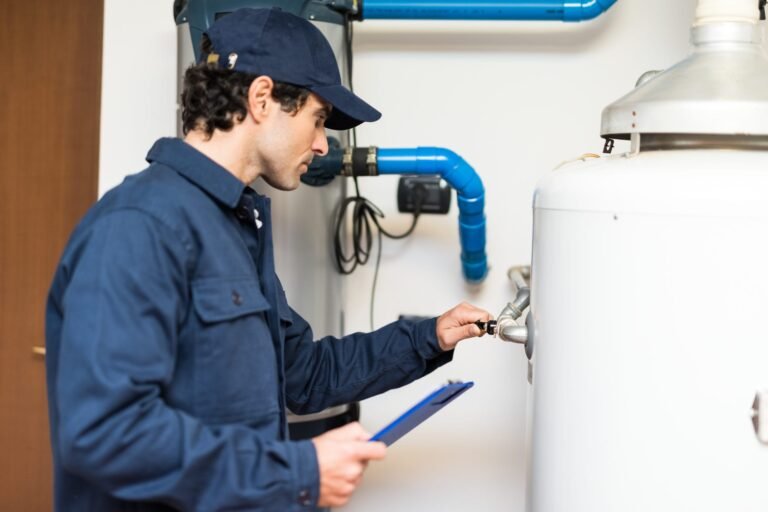
If you’ve never paid much attention to your water heater, you’re not alone. Most people only think about it when the hot water suddenly runs cold mid-shower. It’s one of those quiet, hardworking appliances that sits in a corner doing its job—until it doesn’t. The good news is that caring for a water heater isn’t complicated, expensive, or time-consuming. In fact, a few simple habits can extend its life, lower your energy bills, and prevent those unpleasant surprises.
This guide isn’t just a checklist—it’s a practical, experience-driven walkthrough meant to help beginners build confidence. Think of it as learning how to listen to your water heater, understand what it needs, and respond before problems get serious.
- learn where everything is before you need it
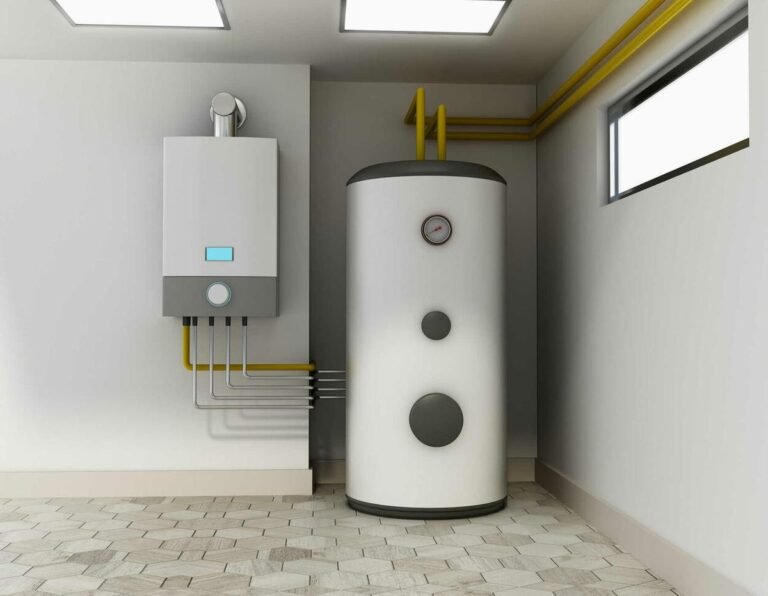
Before doing anything else, take a few minutes to locate the key parts of your water heater. It might sound basic, but in an emergency, knowing where things are can save time and prevent damage.
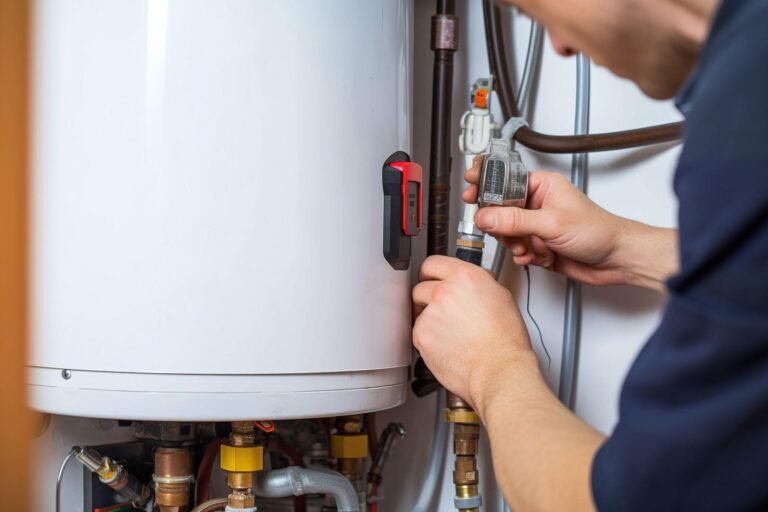
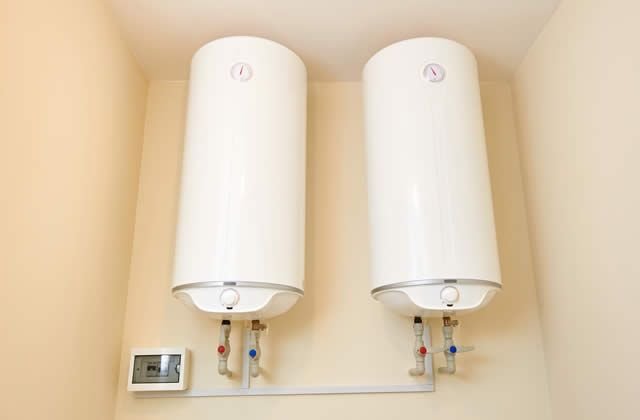
Find the power source—this could be a circuit breaker for electric heaters or a gas valve for gas-powered units. Then locate the cold water inlet and hot water outlet pipes. The shut-off valve is especially important; if there’s ever a leak, you’ll want to turn off the water immediately.
There’s also a component called the temperature and pressure relief (T&P) valve. It’s designed to release pressure if things get too hot or dangerous inside the tank. Knowing where it is helps you test it later and recognize if it’s leaking.
A simple exercise: stand in front of your heater and mentally map it out. Touch each part and say what it does. This small habit builds familiarity and reduces panic when something goes wrong.
- keep the temperature at a safe and efficient level
Many beginners don’t realize that water heater temperature matters more than they think. Setting it too high doesn’t just increase energy bills—it can also be dangerous. Water that’s too hot can cause burns in seconds.
A good rule of thumb is to keep the temperature around 120°F (about 49°C). This level is hot enough for daily use but safe for most households.
If you’ve just moved into a new place, check the thermostat setting right away. Some heaters come set much higher by default. Lowering it slightly might not feel like a big change, but over time it can reduce wear on the system and save money.
Think of it like driving a car at a steady speed instead of constantly accelerating—it’s easier on the machine.
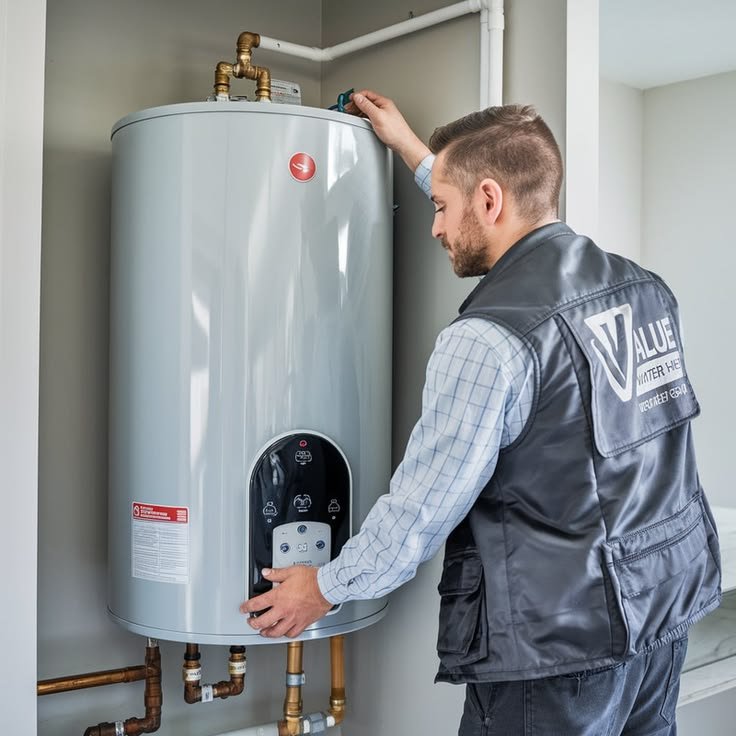
- flush the tank once or twice a year
Inside your water heater, minerals from hard water slowly settle at the bottom of the tank. Over time, this sediment builds up, creating a layer that makes it harder for the heater to do its job.
You might notice signs like rumbling noises, longer heating times, or slightly discolored water. These are subtle hints that your tank needs attention.
Flushing the tank removes this buildup. It sounds technical, but it’s actually a straightforward process:
Turn off the power or gas supply
Shut off the cold water inlet
Attach a hose to the drain valve
Let the water flow out until it runs clear
The first time you do this, it might feel a bit unfamiliar. But once you’ve done it, you’ll realize it’s just basic maintenance—like cleaning a filter or sweeping a floor.
A clean tank heats water more efficiently and lasts longer. It’s one of the most impactful habits you can develop.
- check for leaks regularly (even tiny ones)
Leaks rarely start as dramatic bursts. More often, they begin as small drips that go unnoticed. Over time, those drips can cause rust, mold, or even structural damage.
Make it a habit to glance at your water heater every few weeks. Look at the base, the pipes, and the surrounding floor. If you see moisture, rust stains, or puddles, don’t ignore them.
Sometimes the issue is as simple as a loose connection. Other times, it might signal a failing valve or internal corrosion. Catching it early makes all the difference.
A useful tip: place a dry piece of paper or cardboard under the tank. If it becomes damp, you’ll know there’s a slow leak even if you don’t see it directly.
- test the pressure relief valve occasionally
The T&P valve is a safety feature that prevents excessive pressure from building up inside the tank. If it fails, the consequences can be serious.
Testing it is simple. Place a bucket under the discharge pipe, then gently lift the valve lever. You should hear a rush of water, and it should stop when you release the lever.
If nothing happens, or if it continues to drip afterward, the valve may need replacement.
This is one of those tasks that people often skip because everything “seems fine.” But it’s like checking a smoke alarm—you don’t want to wait until there’s a problem.
- insulate the tank and pipes
If your water heater is located in a cold area—like a garage or basement—it can lose heat quickly. This means it has to work harder to maintain temperature, which increases energy use.
Adding insulation is an easy way to improve efficiency. You can use a water heater blanket for the tank and foam sleeves for the pipes.
The difference might not be obvious right away, but over time, it helps maintain consistent temperatures and reduces strain on the system.
Imagine wearing a jacket in winter. You stay warm longer without needing extra effort. Your water heater benefits from the same idea.
- pay attention to unusual sounds and smells
Your water heater has its own way of communicating. Strange noises—like popping, rumbling, or banging—often indicate sediment buildup or heating issues.
Similarly, unusual smells can signal problems. A rotten egg smell in hot water might mean bacteria are reacting with the anode rod inside the tank.
Instead of ignoring these signs, treat them as early warnings. Investigate the cause or call a professional if needed.
Developing this awareness turns you from a passive user into an active caretaker. Over time, you’ll recognize what’s normal and what isn’t.
- replace the anode rod when needed
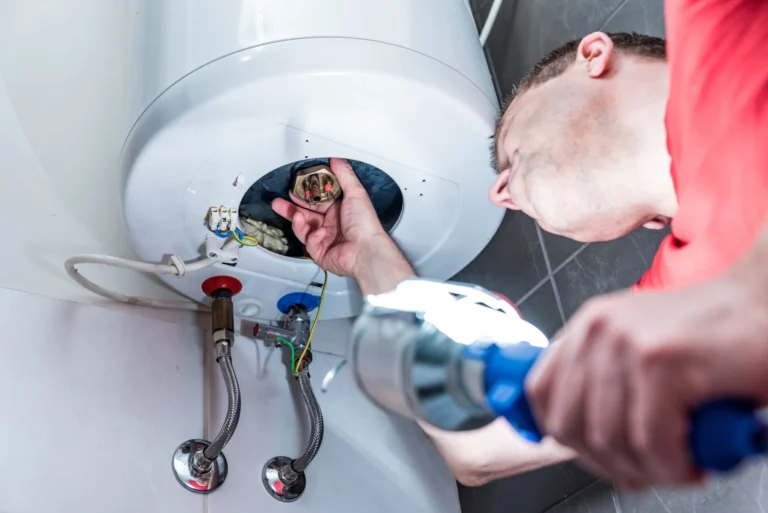
This is one of the most overlooked parts of water heater maintenance. The anode rod is a metal rod inside the tank that attracts corrosive elements, preventing the tank itself from rusting.
Think of it as a sacrificial protector. Over time, it wears out—and when it does, the tank becomes vulnerable.
Checking the anode rod every 2–3 years is a good practice. If it’s heavily corroded or reduced in size, it’s time for a replacement.
This small step can significantly extend the life of your water heater. Skipping it, on the other hand, often leads to premature tank failure.
a beginner’s routine that actually works
Instead of trying to remember everything at once, create a simple routine:
Monthly: quick visual check for leaks
Every 6 months: flush the tank and inspect components
Yearly: test the T&P valve and review insulation
Every 2–3 years: check the anode rod
Write it down or set reminders on your phone. Once it becomes a habit, it won’t feel like a chore.
why these small habits matter more than you think
Water heaters are built to last, but they aren’t maintenance-free. Neglect is the biggest reason they fail early.
When you take care of your heater, you’re not just avoiding repairs—you’re improving efficiency, saving money, and ensuring comfort. Hot water is something we rely on daily, and a well-maintained system keeps that experience smooth and predictable.
More importantly, these habits build confidence. You stop feeling dependent on emergency fixes and start understanding how your home works.
frequently asked questions
- how often should I flush my water heater?
For most homes, flushing once or twice a year is enough. If you live in an area with hard water, you might benefit from doing it more frequently. - what happens if I don’t maintain my water heater?
Lack of maintenance can lead to sediment buildup, reduced efficiency, higher energy bills, leaks, and eventually tank failure. Regular care helps avoid costly repairs. - is it safe for beginners to perform maintenance tasks?
Yes, many basic tasks like checking for leaks, adjusting temperature, and flushing the tank are beginner-friendly. Just make sure to follow safety steps like turning off power or gas before starting. - how long does a typical water heater last?
With proper care, most water heaters last between 8 to 12 years. Regular maintenance can extend this lifespan significantly. - why is my water heater making noise?
Noises like popping or rumbling are usually caused by sediment buildup at the bottom of the tank. Flushing the tank often resolves this issue. - when should I call a professional?
If you notice persistent leaks, major temperature issues, or anything that feels beyond your comfort level, it’s best to call a professional. It’s always safer to get expert help when needed.
Taking care of a water heater isn’t about mastering complex skills—it’s about paying attention, acting early, and building simple habits. Once you get into the rhythm, it becomes second nature, and your water heater quietly rewards you with years of reliable service.
About the Author