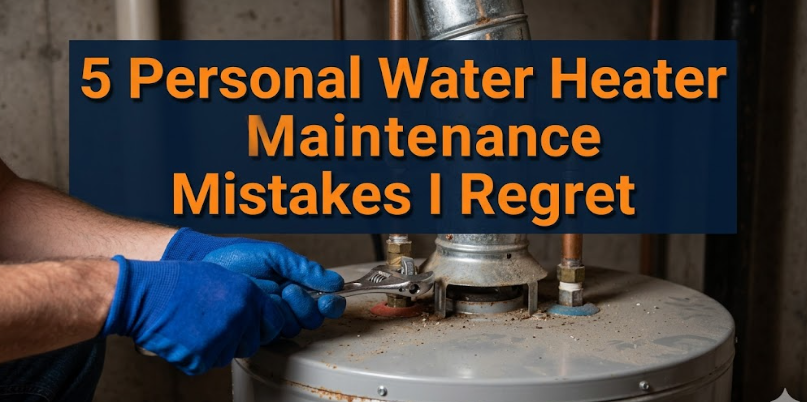
5 Personal Water Heater Maintenance Mistakes I Regret
5 Personal Water Heater Maintenance Mistakes I Regret
I didn’t think much about my water heater until the day it stopped working in the middle of winter. That moment—standing under a freezing stream of water—was the beginning of a long list of lessons I wish I had learned earlier. Like many homeowners, I treated my water heater as a silent workhorse: always there, always reliable, and somehow immune to neglect. I couldn’t have been more wrong.
Over the years, I’ve made mistakes—small oversights that snowballed into expensive repairs, frustrating inconveniences, and unnecessary stress. If you’ve ever assumed your water heater will just “keep going,” this story may sound familiar. These are five personal water heater maintenance mistakes I regret deeply, shared with honesty, detail, and the hope that you won’t repeat them.
Ignoring the importance of regular flushing
If there’s one mistake that cost me more than I care to admit, it was ignoring the need to flush the tank. At first, I didn’t even know flushing was a thing. Water goes in, hot water comes out—what else is there, right?
That assumption held up for about three years.
Gradually, I started noticing strange things. The hot water wasn’t as hot as it used to be. It took longer to heat up. Then came the noises—low rumbling sounds that seemed to echo from inside the tank like distant thunder.
I ignored all of it.
Eventually, the heater started producing inconsistent temperatures. Some days it was lukewarm, other days it fluctuated wildly. When I finally called a technician, the verdict was clear: sediment buildup had hardened at the bottom of the tank.
Here’s what I didn’t know back then. Minerals in water—especially in areas with hard water—settle at the bottom of the tank over time. Without flushing, this sediment forms a thick layer that insulates the water from the heating element. The heater has to work harder, uses more energy, and wears out faster.
In my case, the buildup had become so severe that flushing no longer solved the issue. The tank was damaged, and I had to replace the entire unit years earlier than expected.
That experience taught me something simple but powerful: maintenance isn’t about fixing problems; it’s about preventing them.
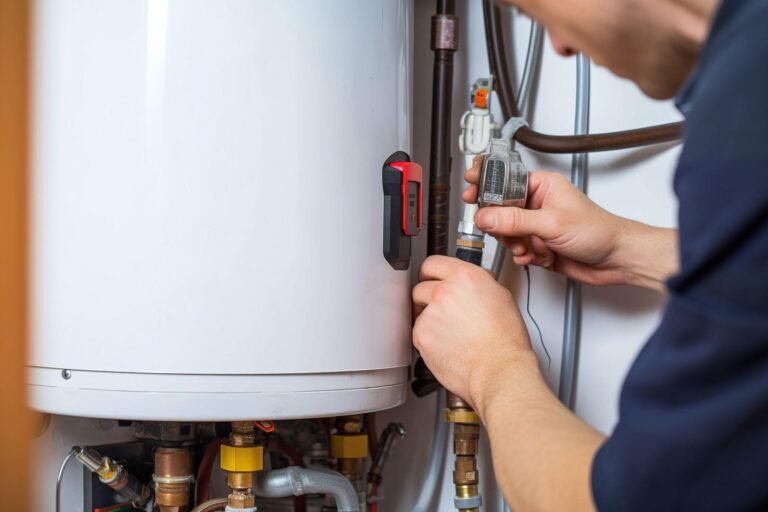
If I could go back, I’d flush the tank once or twice a year. It’s not complicated. It takes less than an hour. And it can add years to the life of the heater.
Overlooking the anode rod until it was too late
This is the mistake I didn’t even realize I was making.
When I first heard the term “anode rod,” I thought it was some advanced component only professionals needed to worry about. Turns out, it’s one of the most critical parts of a water heater—and one of the easiest to ignore.
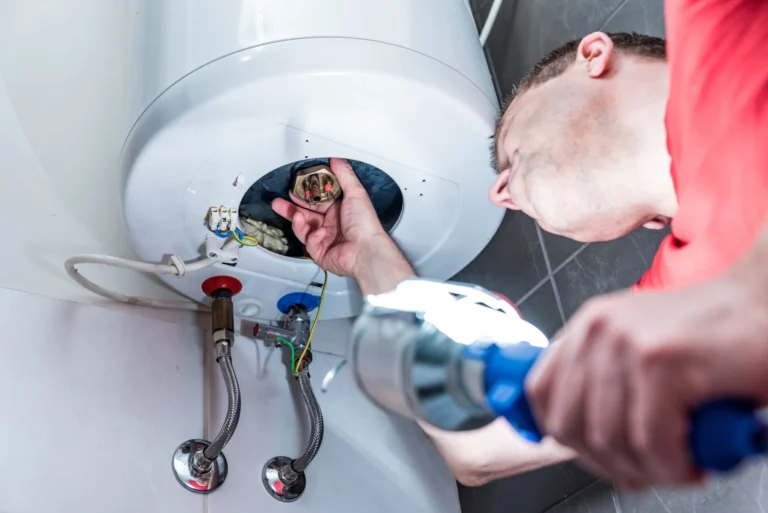
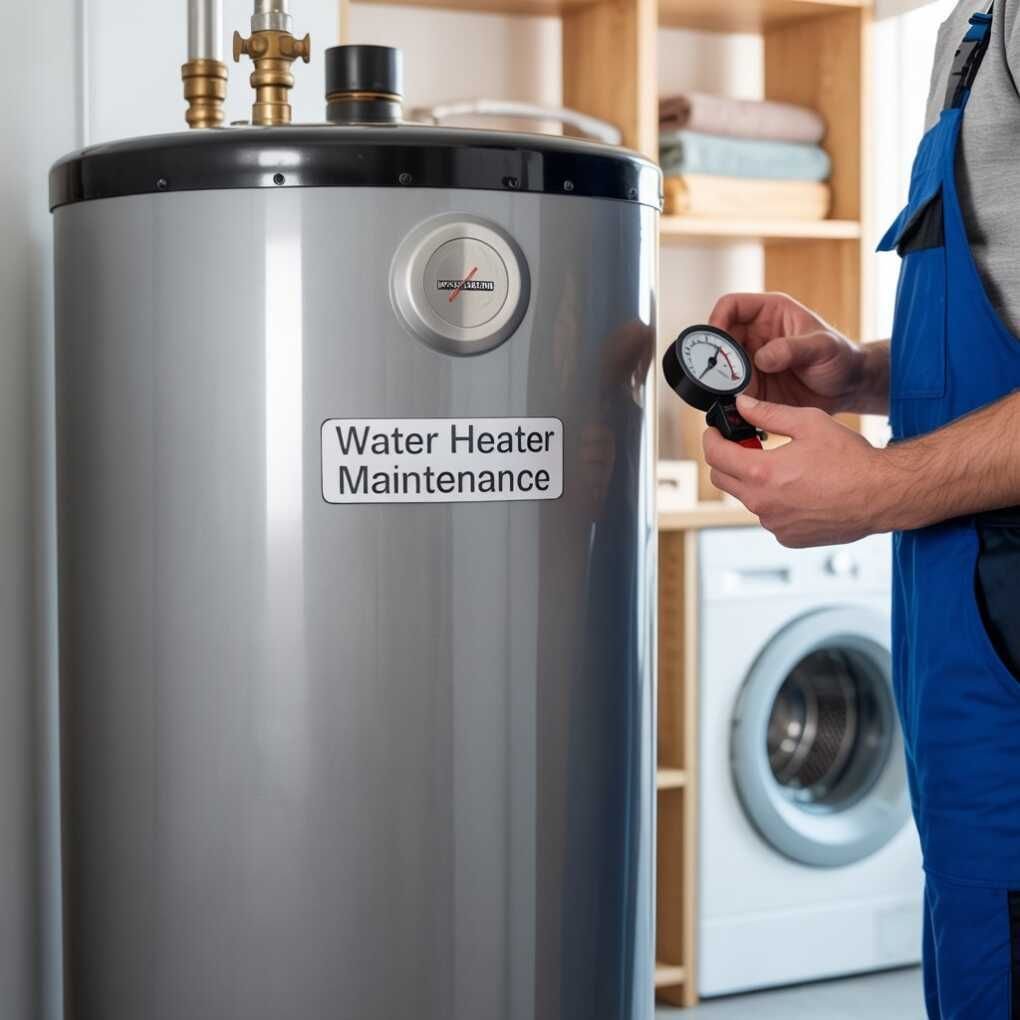
The anode rod is designed to attract corrosive elements in the water, protecting the tank from rusting. Think of it as a sacrificial component—it corrodes so the tank doesn’t have to.
But here’s the catch: it doesn’t last forever.
In my case, I never checked it. Not once. Years went by, and the rod slowly deteriorated until it was completely gone. With nothing left to protect the tank, corrosion began eating away at the metal.
The first sign was subtle—a faint metallic smell in the hot water. Then came discoloration. Eventually, small leaks started forming at the base of the tank.
By the time I connected the dots, the damage was irreversible.
Replacing an anode rod is relatively inexpensive compared to replacing an entire water heater. It’s a maintenance task that can significantly extend the life of your system. Yet, because it’s hidden out of sight, it’s easy to forget.
If I had inspected it every couple of years, I could have avoided a costly replacement. That’s the frustrating part—it wasn’t neglect out of laziness; it was neglect out of ignorance.
Now, I make it a point to check the anode rod regularly. It’s a small step that makes a big difference.
Setting the temperature too high without thinking
There was a time when I believed hotter water was always better. So I turned the thermostat up—just a little at first, then more over time. I liked the idea of having extra hot water available, especially during colder months.
What I didn’t consider were the consequences.
The first issue was energy consumption. Higher temperatures mean the heater works harder and uses more electricity or gas. My utility bills started creeping up, but I didn’t immediately connect it to the thermostat setting.
The second issue was safety. One day, I turned on the tap and got distracted. When I finally placed my hand under the water, it was scalding. Not just hot—painfully hot.
That moment made me realize how dangerous an overly high temperature can be, especially in households with children or elderly individuals.
But the third issue was the one that surprised me most: wear and tear. Higher temperatures accelerate mineral buildup and increase stress on the tank and its components. Over time, this reduces the lifespan of the heater.
After doing some research, I learned that a temperature setting around 120°F (49°C) is generally recommended for most households. It’s hot enough for daily use while minimizing risks and energy consumption.
Lowering the temperature felt like a compromise at first, but it quickly became the new normal. The water was still perfectly usable, and the benefits—lower bills, increased safety, and reduced strain on the heater—were undeniable.
Sometimes, more isn’t better. Sometimes, it’s just more.
Neglecting small leaks until they became big problems
Leaks have a way of starting quietly.
In my case, it began with a tiny puddle near the base of the heater. It wasn’t even there all the time—just occasionally. I wiped it up and told myself I’d keep an eye on it.
Days turned into weeks.
The puddle became more frequent, but still manageable. I convinced myself it wasn’t urgent. After all, the heater was still working fine. Hot water was flowing. Life went on.
Then one morning, I walked into the utility area and found a much larger pool of water. The leak had worsened overnight. Panic set in.
What I learned the hard way is that small leaks rarely stay small. They’re often early warning signs of bigger issues—loose connections, worn-out valves, or internal tank damage.
In my situation, the source was a faulty pressure relief valve. If I had addressed it early, it would have been a simple fix. Instead, the ongoing leak caused additional damage to surrounding areas, including the floor.
Water damage is insidious. It seeps into places you can’t see, leading to mold, structural issues, and costly repairs.
Now, I treat any sign of a leak as a priority. Even a few drops can indicate a problem that needs attention. It’s not about being overly cautious; it’s about being realistic.
Delaying professional inspections to save money
This is the mistake that ties everything together.
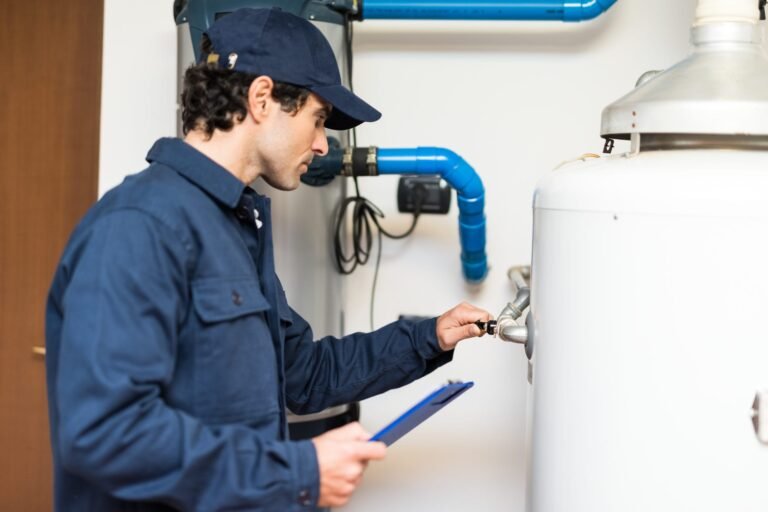
For a long time, I believed I could handle everything myself. After all, how complicated could a water heater be? I watched videos, read articles, and felt confident enough to skip professional inspections.
At first, it seemed like a smart way to save money.
But over time, I realized there are limits to what DIY maintenance can achieve. A trained technician can spot issues that aren’t immediately visible—subtle signs of wear, early-stage corrosion, or inefficiencies that haven’t yet caused noticeable problems.
I missed those signs.
By the time I called in a professional, the issues had already escalated. What could have been minor repairs turned into major ones. The money I thought I was saving ended up being spent many times over.
There’s also the matter of safety. Water heaters involve electricity, gas, and high pressure. Mistakes can be dangerous. Having a professional inspect the system periodically provides peace of mind that everything is functioning safely.
Now, I see professional inspections not as an expense, but as an investment. A yearly check-up can catch problems early, extend the life of the heater, and ensure it operates efficiently.
It’s a simple shift in perspective, but it makes all the difference.
Looking back, these mistakes weren’t dramatic at the time. They were small decisions, minor delays, and moments of “I’ll deal with it later.” But those small moments added up.
If there’s one takeaway from my experience, it’s this: maintenance is not optional. It’s part of owning a water heater, just like fueling a car or servicing an appliance.
Taking care of it doesn’t require expert-level knowledge or a huge time commitment. It just requires consistency, awareness, and a willingness to act before problems grow.
Frequently Asked Questions
- How often should I flush my water heater?
It’s generally recommended to flush your water heater at least once a year. If you live in an area with hard water, doing it every six months can help prevent sediment buildup more effectively. - What are the signs that my anode rod needs replacement?
Common signs include rusty or discolored water, a metallic smell, or visible corrosion on the rod if inspected. Typically, checking it every 2–3 years is a good practice. - Is it dangerous to set the water heater temperature too high?
Yes, high temperatures can cause scalding injuries and increase energy usage. It can also accelerate wear on the heater. A setting around 120°F (49°C) is usually considered safe and efficient. - Can I fix a leaking water heater myself?
It depends on the source of the leak. Minor issues like loose connections or a faulty valve may be fixable, but leaks from the tank itself often require professional repair or replacement. - How long does a typical water heater last?
Most traditional tank water heaters last between 8 to 12 years. Proper maintenance, such as flushing and replacing the anode rod, can help extend its lifespan. - Are professional inspections really necessary?
While not mandatory, they are highly recommended. A professional can identify hidden issues, ensure safety, and help maintain efficiency, potentially saving money in the long run.
If my story does anything, I hope it saves you from learning these lessons the hard way. A little attention today can spare you a lot of trouble tomorrow.
About the Author