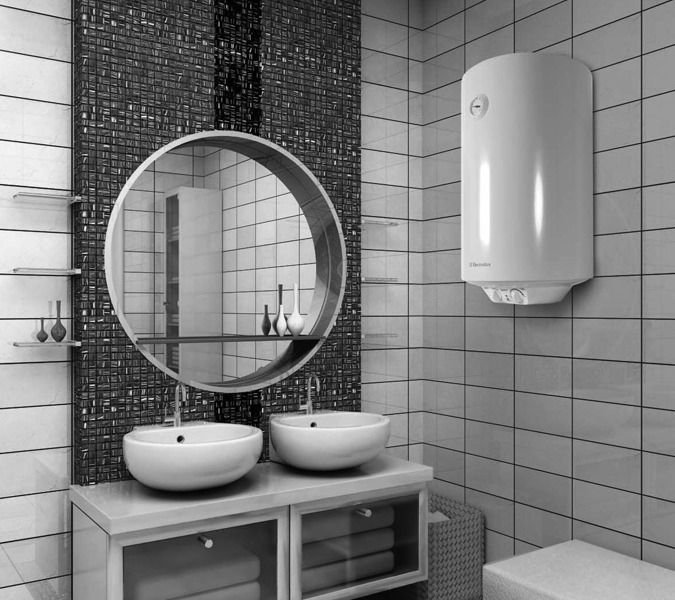
7 Fast Water Heater Care Fixes That Work Instantly
7 Fast Water Heater Care Fixes That Work Instantly
There’s a certain kind of frustration that only shows up when you turn on a tap expecting comfort and instead get a stream of disappointment. Maybe the water runs cold halfway through your shower, or it smells a little off, or it takes forever to heat up. A water heater rarely demands attention until something feels wrong—and when it does, you usually want a fix right now, not next week.
The good news is that not every issue requires a technician, a replacement unit, or a deep dive into complicated repairs. Some of the most effective fixes are surprisingly simple and can restore performance almost immediately. These aren’t long-term overhauls or technical procedures requiring specialized tools. Instead, they’re practical, fast-acting steps that address the most common problems people experience with their water heaters.
This article walks through seven such fixes—each grounded in real-world use, each designed to produce noticeable results quickly. Along the way, you’ll also understand why these fixes work, so you’re not just following instructions but actually improving how your system runs.
fix one: adjust the thermostat for immediate temperature correction
Sometimes the simplest explanation is the right one. If your water suddenly feels lukewarm or inconsistent, the thermostat setting is the first place to check. It’s surprisingly easy for this setting to drift—either due to accidental changes, power interruptions, or even seasonal adjustments you forgot about.
Most water heaters are set between 49°C and 60°C (120°F to 140°F). If the temperature drops below this range, you’ll notice it instantly. Adjusting it back up can restore hot water within a short period—often within an hour or less, depending on your tank size.
But this isn’t just about turning a dial randomly. Take a moment to consider your usage. If your household recently increased demand—more showers, laundry, or dishwashing—you might need a slightly higher setting to keep up.
There’s also a subtle psychological benefit to this fix. When you actively adjust something and see immediate results, it builds confidence in handling your system. You’re no longer just reacting—you’re managing.
fix two: flush a small amount of sediment to improve heating speed
Sediment buildup is one of the most common issues in water heaters, especially in areas with hard water. Over time, minerals settle at the bottom of the tank, forming a layer that acts like insulation between the heating element and the water.
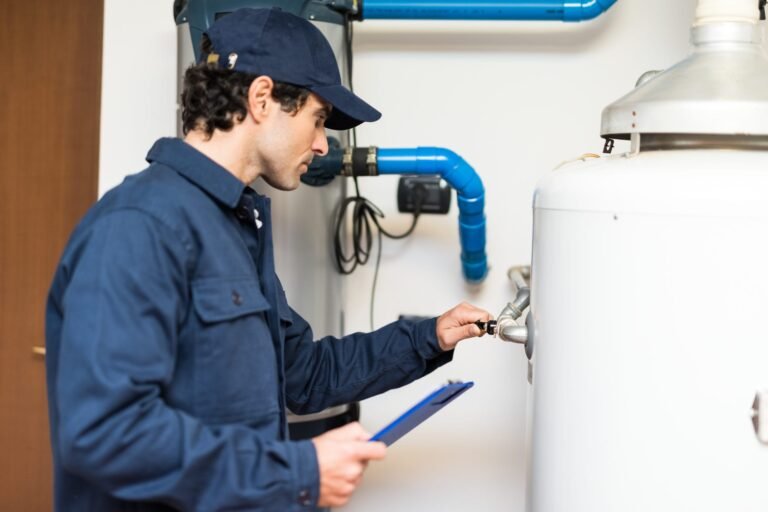
While a full tank flush can take time, a partial drain is often enough to make a noticeable difference. By releasing just a few liters of water from the drain valve, you can remove some of the loose sediment that’s interfering with heat transfer.
The effect can be surprisingly immediate. Water heats faster, sounds like popping or rumbling may decrease, and overall efficiency improves. It’s not a complete solution for heavy buildup, but it’s a quick fix that works when you need results now.
Think of it like clearing a clogged path rather than rebuilding the entire road. You’re removing just enough obstruction to restore flow.
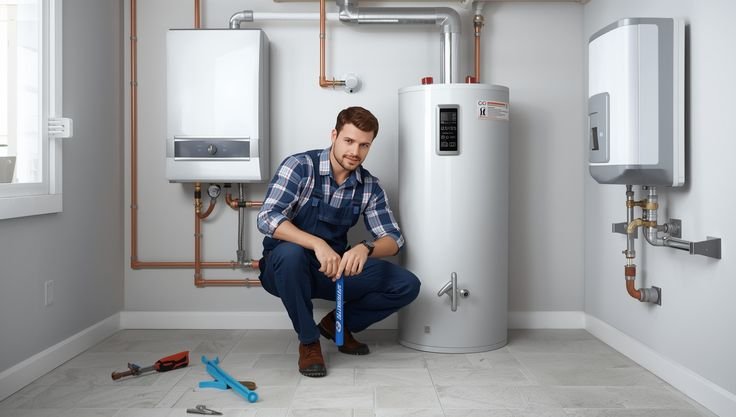
fix three: reset the system after a minor malfunction
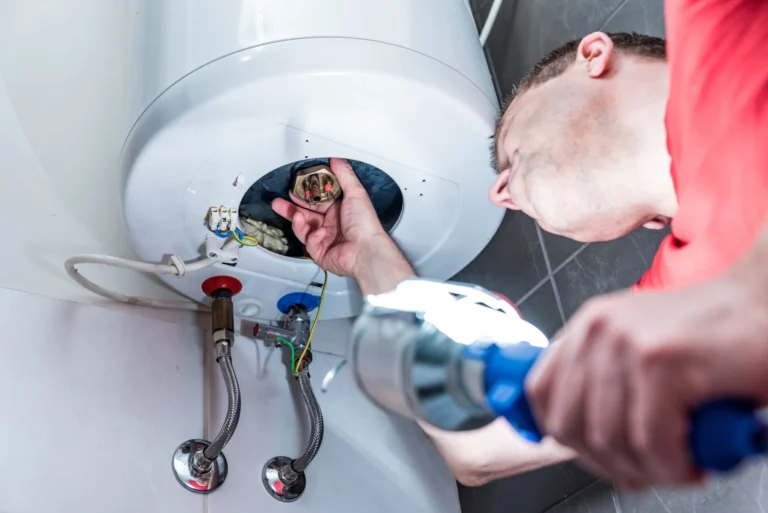
Electric water heaters, in particular, often include a reset button—usually located near the thermostat. This button trips when the system detects a problem, such as overheating or electrical irregularities.
Pressing the reset button can bring your heater back to life almost instantly if it has shut itself down. It’s a small action with a big impact.
What’s interesting is how often people overlook this step. There’s a tendency to assume that a non-functioning heater means a serious issue. In reality, it might just be the system protecting itself and waiting for a manual reset.
If the reset button trips repeatedly, that’s a sign of a deeper problem. But for occasional disruptions, this fix can feel almost like flipping a switch back to normal.
fix four: check and tighten loose connections for stable performance
Water heaters operate in environments where vibration, heat expansion, and pressure changes are constant. Over time, these factors can loosen connections—both electrical and plumbing.
A loose wire or slightly open valve might not seem like much, but it can lead to inconsistent heating, longer recovery times, or even small leaks.
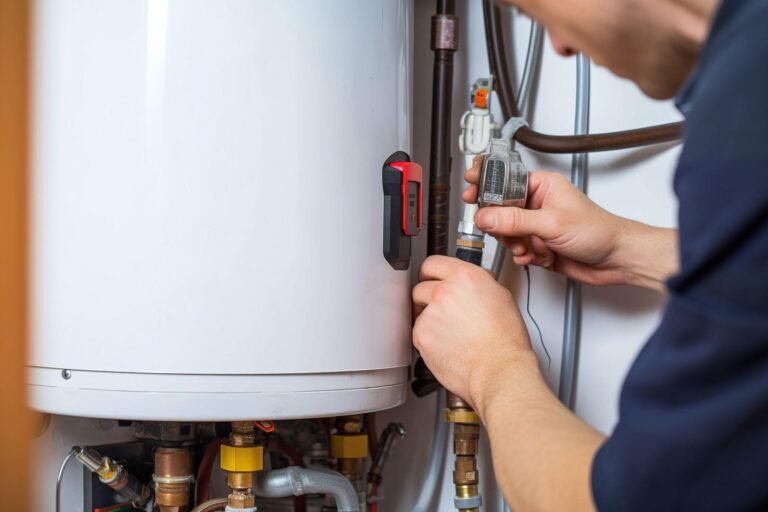
Taking a few minutes to inspect visible connections and tighten anything that feels loose can stabilize the system quickly. You’re not dismantling anything—just ensuring that everything is secure and functioning as intended.
This fix is less about dramatic change and more about eliminating small inefficiencies that add up. The result is a system that feels more reliable, more predictable.
fix five: bleed air from the system to restore smooth flow
Air pockets in plumbing lines can disrupt water flow and create odd behaviors—like sputtering taps or uneven temperature delivery. This is especially common after maintenance work or when the system hasn’t been used for a while.
The fix is simple: open the hot water taps in your home and let them run for a few minutes. This allows trapped air to escape, restoring steady flow.
You’ll notice the difference almost immediately. The water runs smoother, the temperature stabilizes, and the system feels more responsive.
It’s one of those fixes that doesn’t involve the heater directly but still improves its performance. Sometimes the problem isn’t in the machine—it’s in how the system as a whole is behaving.
fix six: insulate exposed pipes for quicker heat delivery
If your hot water takes too long to reach the tap, the issue might not be the heater itself but the pipes carrying the water. Heat loss along the way can make it seem like the heater is underperforming.
Wrapping exposed pipes with insulation is a quick and effective way to reduce this loss. While full insulation projects can be extensive, even covering a few key sections—especially near the heater—can produce noticeable results.
The improvement is immediate. Water arrives hotter and faster, and less energy is wasted in the process.
There’s also a comfort factor here. You’re not just fixing a problem—you’re enhancing the experience of using hot water. It becomes more reliable, more consistent.
fix seven: clean the area around the heater for better airflow and safety
It might not seem obvious, but the environment around your water heater plays a role in its performance. Dust, clutter, and restricted airflow can affect how efficiently the system operates—especially for gas heaters that rely on proper ventilation.
Clearing the area, wiping down surfaces, and ensuring that vents are unobstructed can improve performance almost immediately. It also reduces the risk of overheating and extends the life of the unit.
This fix is as much about awareness as it is about action. When you take the time to look at your heater, you start noticing things you might have missed—small issues that are easy to correct before they become bigger problems.
bringing it all together
What makes these seven fixes powerful isn’t just their speed—it’s their accessibility. You don’t need specialized training or expensive tools. You just need a bit of attention, a willingness to act, and an understanding of how small changes can make a big difference.
Water heaters are often treated as background appliances, quietly doing their job until something goes wrong. But when you engage with them—even in simple ways—you gain control over their performance.
There’s a certain satisfaction in solving a problem quickly, especially when it restores something as essential as hot water. It’s not just about comfort—it’s about confidence.
And while these fixes won’t replace regular maintenance or professional care, they offer a practical way to handle immediate issues. They’re the kind of solutions you can rely on when you need results now.
frequently asked questions
- how quickly can these fixes show results
Most of these fixes produce noticeable improvements within minutes to an hour. For example, resetting the system or adjusting the thermostat can restore hot water almost immediately, while pipe insulation and sediment draining may take slightly longer to show full effects. - is it safe to perform these fixes without professional help
Yes, as long as you follow basic safety precautions. Avoid handling electrical components with wet hands, and always turn off power or gas supply when necessary. These fixes are designed to be simple and low-risk. - how often should i flush sediment from my water heater
A full flush is typically recommended once or twice a year, but partial draining can be done more frequently if you notice performance issues. Regular flushing helps prevent buildup and maintains efficiency. - what temperature should my water heater be set to
A common recommendation is around 49°C to 60°C (120°F to 140°F). This range balances comfort, efficiency, and safety, reducing the risk of scalding while ensuring adequate hot water supply. - why does my water heater make popping or rumbling sounds
These sounds are usually caused by sediment buildup at the bottom of the tank. As water heats, it bubbles through the sediment layer, creating noise. Draining some water can help reduce this issue. - when should i call a professional instead of trying quick fixes
If problems persist after trying these fixes, or if you notice leaks, electrical issues, or repeated system shutdowns, it’s best to consult a professional. Quick fixes are helpful for minor issues, but more serious problems require expert attention.
About the Author