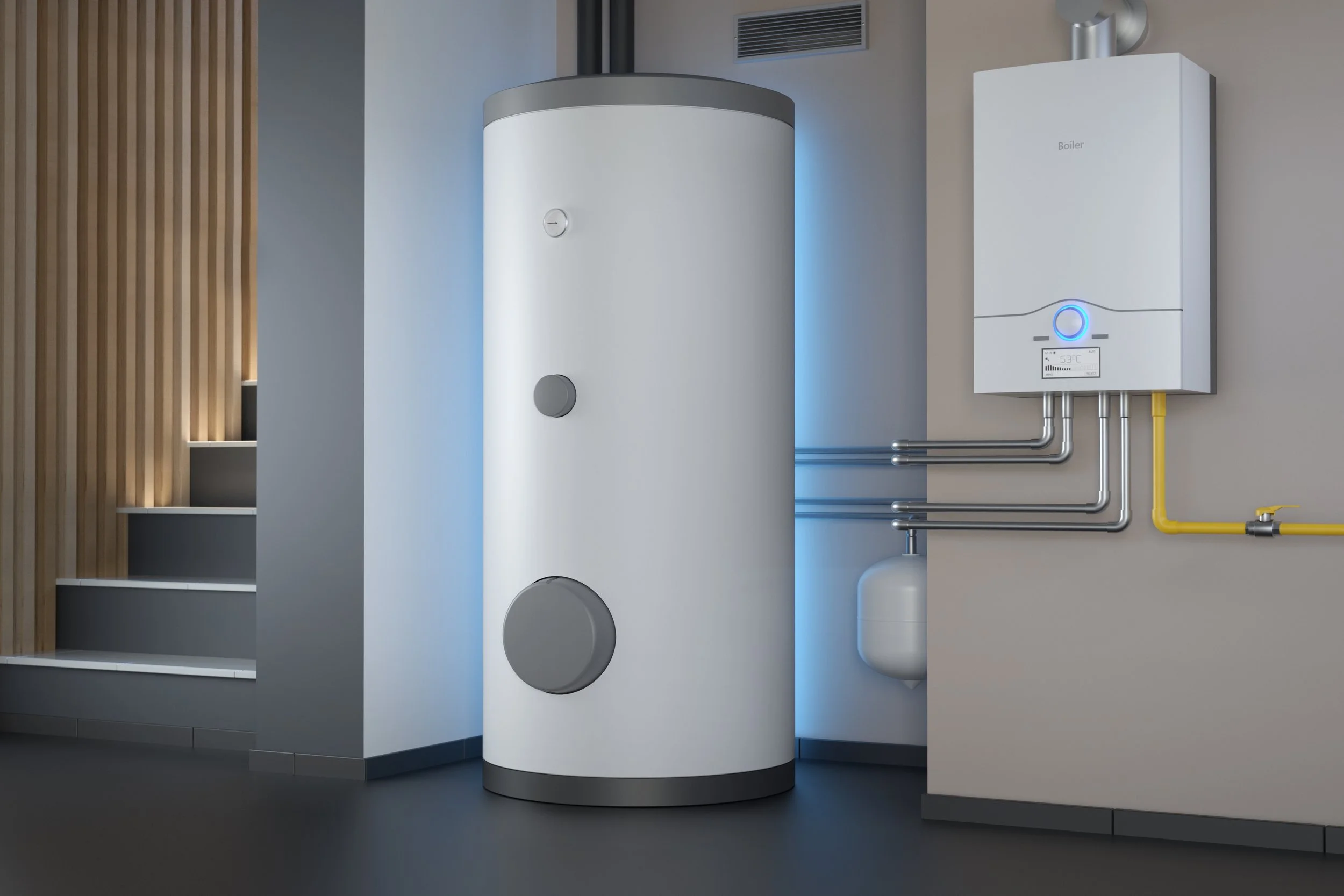
10 Smart Water Heater Safety Habits You Should Start Today
10 Smart Water Heater Safety Habits You Should Start Today
There’s something oddly comforting about turning on a tap and knowing hot water will be there instantly. It’s a quiet convenience we rarely think about—until something goes wrong. A strange noise, a sudden leak, or worse, an accident, can quickly remind us that a water heater is not just another appliance. It’s a system that operates under pressure, heat, and, in some cases, gas or electricity. That combination demands respect.
Over time, I’ve learned that water heater safety isn’t about big, dramatic fixes. It’s about small, consistent habits—the kind that slip easily into your routine and quietly prevent problems before they start. These habits don’t require technical expertise or expensive tools. They require awareness, a bit of attention, and a willingness to act before things escalate.
Below are ten smart habits that can make a real difference in how safely your water heater operates.
- Get into the habit of checking the temperature setting
Most people never touch their water heater thermostat after installation. It sits there, quietly doing its job—until it doesn’t.
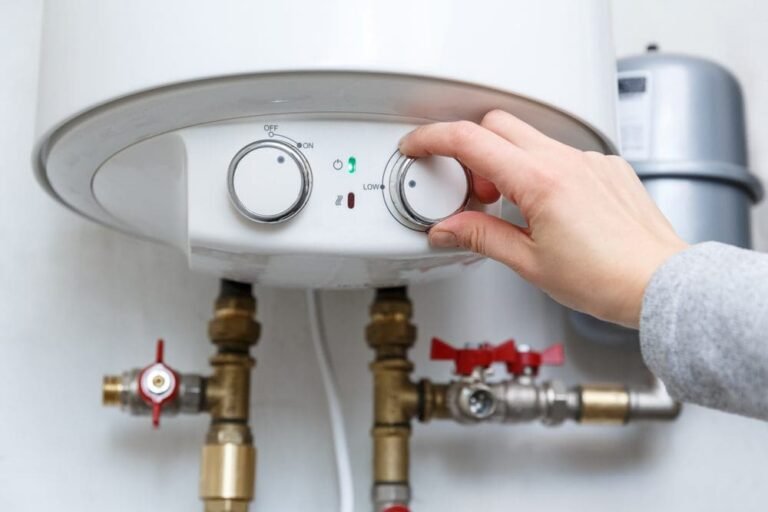
Setting your water heater too high increases the risk of scalding, especially for children and older adults. It also puts unnecessary strain on the system. A good habit is to check the thermostat every few months and ensure it stays around a safe range, typically about 49°C (120°F).
Make this part of your seasonal routine. When the weather changes, take a minute to glance at the setting. It’s a small step, but it prevents both burns and overheating.
- Listen to your water heater like you would a car
Appliances talk. Not in words, of course, but in sounds.
A popping or rumbling noise often signals sediment buildup at the bottom of the tank. A high-pitched whine could indicate pressure issues. Ignoring these sounds is like ignoring a strange noise in your car engine—it rarely ends well.
Develop the habit of pausing for a moment when you’re near the heater. Listen. Familiarize yourself with its normal sound so you can recognize when something changes. Early detection often turns a costly repair into a simple fix.
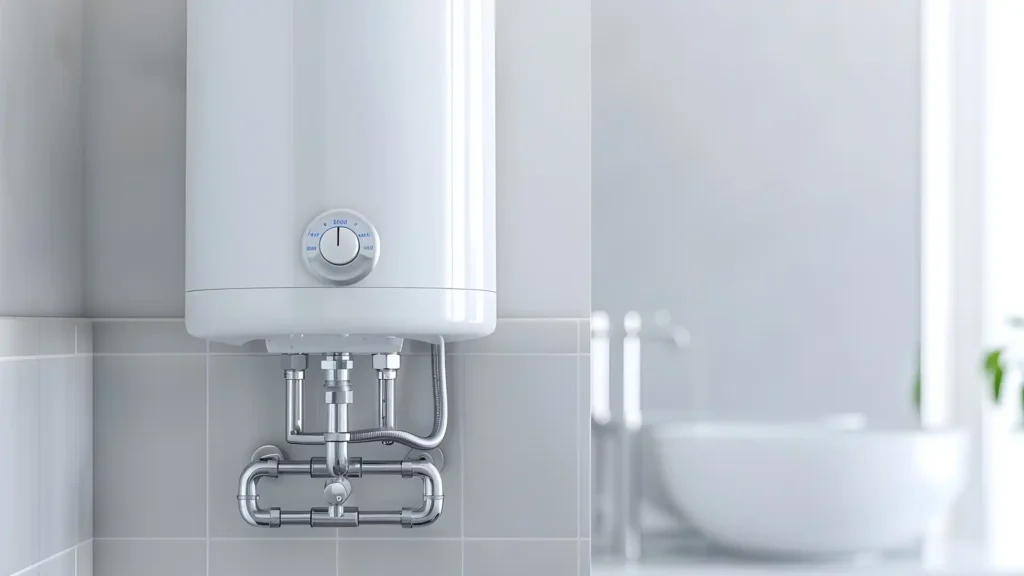
- Flush the tank regularly
Sediment buildup is one of the most common and overlooked issues. Minerals in water settle at the bottom of the tank over time, reducing efficiency and increasing the risk of overheating.
Flushing the tank once or twice a year helps remove this buildup. It’s not complicated, but it does require consistency.
Think of it like cleaning a kettle. You wouldn’t let scale accumulate forever, and your water heater deserves the same attention. Set a reminder on your phone or calendar so it becomes a recurring habit rather than a forgotten task.
- Keep the area around the heater clear
This one sounds obvious, but it’s surprisingly easy to ignore. Storage spaces tend to grow crowded over time.
Boxes, cleaning supplies, or even clothing piled around the heater can create hazards. For gas heaters, flammable materials nearby increase fire risk. For electric units, clutter makes maintenance harder and can hide leaks.
Adopt a simple rule: give your water heater breathing room. A clear radius of at least a couple of feet can make inspections easier and reduce risk. Every time you store something nearby, pause and ask yourself if it belongs there.
- Test the pressure relief valve periodically
The temperature and pressure relief (T&P) valve is a safety device designed to release pressure if it builds up too high inside the tank. If it fails, the consequences can be severe.
Testing it doesn’t take long. Lift the valve slightly and let it snap back. You should hear a brief release of water. If nothing happens—or if it continues to leak afterward—it may need replacement.
Make this a twice-a-year habit. It’s a small action that plays a big role in preventing dangerous pressure buildup.
- Watch for small leaks before they become big problems
A tiny drip might not seem urgent, especially if it’s not causing immediate damage. But leaks rarely fix themselves.
Inspect the base of your heater occasionally. Look for moisture, rust, or pooling water. Check connections and pipes. Even a slow leak can lead to corrosion, mold, and structural damage over time.
The habit here is awareness. A quick glance once a week can save you from a major repair later.
- Know where the shut-off valves are—and how to use them
In an emergency, hesitation can make things worse. If a pipe bursts or the heater malfunctions, you’ll need to act quickly.
Locate the water shut-off valve and, if applicable, the gas or power switch. Practice turning them off so you’re not figuring it out under pressure.
This habit isn’t about fear; it’s about preparedness. When you know exactly what to do, you reduce panic and minimize damage.
- Schedule an annual professional inspection
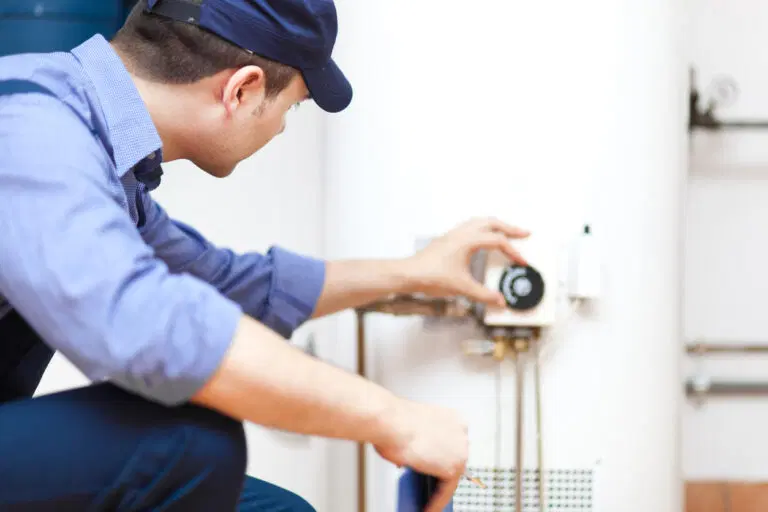
Even if you’re diligent, some issues require a trained eye. A professional can spot wear, corrosion, or inefficiencies that might go unnoticed.
Instead of waiting for something to break, make inspections part of your yearly routine. It’s similar to a health check-up—preventive rather than reactive.
Over time, this habit not only improves safety but also extends the life of your water heater.
- Be mindful of what goes into your plumbing system
It’s easy to forget that what flows through your pipes eventually affects your water heater.
Hard water, for example, accelerates sediment buildup. Harsh chemicals can damage internal components. Even small choices—like using certain cleaning agents—can have long-term effects.
If your area has hard water, consider using a water softener. Pay attention to what you pour down drains. These small decisions accumulate and influence how well your system functions.
- Don’t ignore age—replace before failure
Every water heater has a lifespan. For most tank models, it’s around 8–12 years. Beyond that, the risk of leaks and inefficiency increases significantly.
Many people wait until their heater fails completely before replacing it. By then, it may already have caused damage.
Make it a habit to know your unit’s age. If it’s approaching the end of its lifespan, start planning for replacement. Being proactive allows you to choose the right model rather than rushing into a decision during an emergency.
Bringing these habits together
What stands out about these habits is how ordinary they are. None of them require special skills or major investments. They fit into everyday life—quick checks, occasional maintenance, and a bit of attention.
But together, they create a strong safety net. They reduce risk, improve efficiency, and give you confidence in something you rely on daily.
It’s easy to overlook a water heater because it’s usually out of sight. Yet, the quiet systems in our homes are often the ones that deserve the most care. By building these habits, you’re not just maintaining an appliance—you’re protecting your home and the people in it.
Frequently Asked Questions
- How often should I flush my water heater?
Flushing once a year is generally sufficient for most households. However, if you have hard water, doing it every six months can help prevent heavy sediment buildup.
- What temperature is safest for a water heater?
A setting of around 49°C (120°F) is considered safe. It reduces the risk of burns while still providing comfortable hot water for daily use.
- How can I tell if my water heater is about to fail?
Common warning signs include unusual noises, rusty water, leaks, and inconsistent temperatures. If your unit is over 10 years old, it’s wise to monitor it more closely.
- Is it necessary to test the pressure relief valve?
Yes, it’s an important safety feature. Testing it twice a year ensures it can release pressure properly if needed.
- Can I perform maintenance myself, or should I call a professional?
Basic tasks like checking temperature, flushing the tank, and inspecting for leaks can be done yourself. However, annual professional inspections are recommended for thorough evaluation.
- What should I do if my water heater starts leaking?
First, turn off the power or gas supply and shut off the water valve. Then, contact a professional immediately. Even small leaks can escalate quickly if left unattended.
By turning these small actions into habits, you create a routine that quietly protects your home every single day.
About the Author