7 Smart Water Heater Troubleshooting Tips That Actually Work
7 Smart Water Heater Troubleshooting Tips That Actually Work
There’s something oddly humbling about turning on a tap and expecting hot water—only to be met with an icy surprise. It’s one of those small household disruptions that can quickly spiral into frustration. Whether it’s a cold shower on a winter morning or dishes that just won’t get properly clean, a faulty water heater tends to make its presence known at the worst possible moment.
The good news is that not every water heater issue requires a professional or an expensive replacement. In fact, many common problems can be identified and fixed with a bit of patience, observation, and a willingness to get your hands slightly dirty. This guide walks through seven smart troubleshooting tips that actually work—not theoretical advice, but practical fixes grounded in real-world scenarios.
Instead of just listing steps, you’ll find explanations, small diagnostic checks, and mini walkthroughs so you can understand what’s happening inside your system. By the end, you’ll not only fix the issue—you’ll know why it happened.
—
understanding how your water heater behaves
Before diving into fixes, it helps to understand the basic behavior of your water heater. Think of it as a system that stores, heats, and delivers water based on demand. When something goes wrong, it’s usually due to interruption in one of these three areas:
• Storage (tank issues, sediment buildup)
• Heating (electric elements or gas burners failing)
• Delivery (pressure problems, pipe blockages)
Once you start seeing problems through this lens, troubleshooting becomes less guesswork and more logical deduction.
—
tip 1: no hot water at all? start with the obvious but critical checks
This might sound too simple, but it’s often overlooked: check the power or gas supply.
If you’re using an electric water heater, go to your breaker panel and see if the switch has tripped. A flipped breaker doesn’t always look dramatic—it can sit halfway between ON and OFF. Reset it fully.
For gas heaters, confirm that the pilot light is on. If it’s out, relighting it might solve everything instantly.
quick self-check:
• Flip the breaker off, wait 10 seconds, then turn it back on
• Look through the viewing window for a steady pilot flame
• Listen—do you hear any activity when the heater should be running?
If nothing changes, the issue might go deeper, but this step alone solves a surprising number of “dead heater” cases.
small insight:
Power interruptions often happen after storms or voltage fluctuations. If your heater suddenly stopped working after such an event, this is your most likely fix.
—
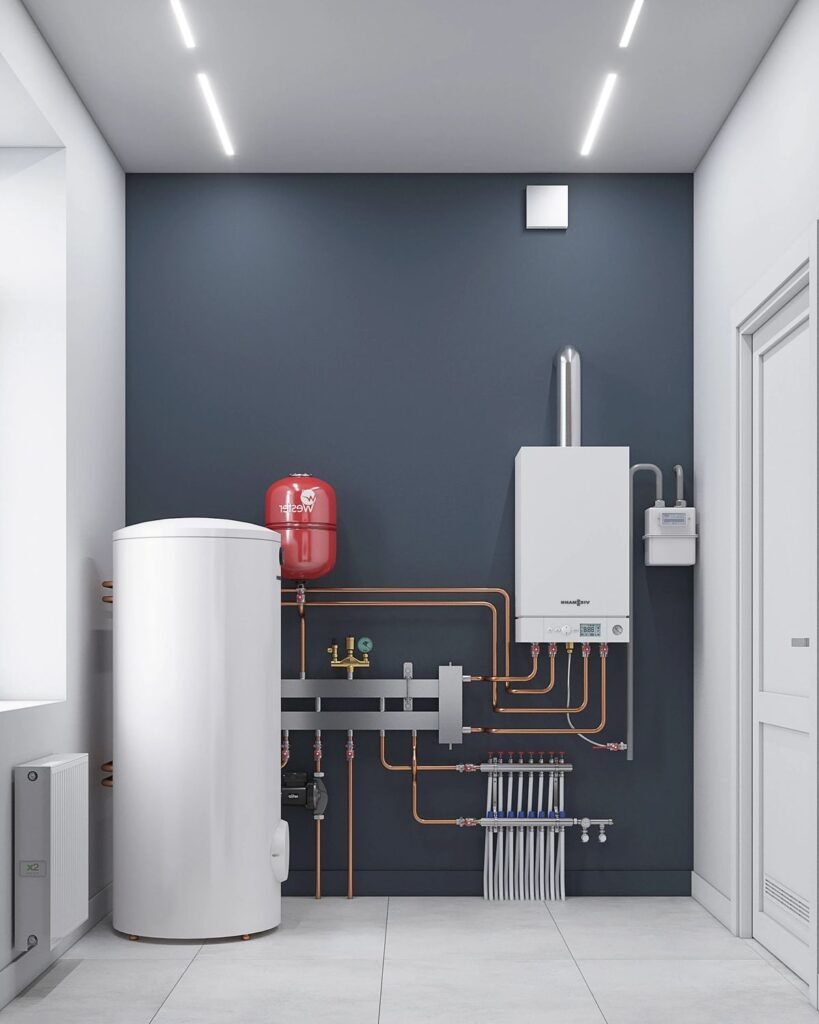
tip 2: water is warm but not hot enough? adjust the thermostat carefully
When hot water feels more like lukewarm, your thermostat may be set too low—or malfunctioning.
Most water heaters have a thermostat dial (sometimes hidden behind a panel). The ideal setting is around 120°F (49°C). Anything significantly lower may not meet daily needs.
what to do:
• Turn off power before opening any panels (for electric units)
• Locate the thermostat dial
• Increase the setting slightly—not drastically
wait and observe:
After adjusting, give it 30–60 minutes. Water heaters don’t respond instantly.
hidden factor:
If adjusting the thermostat doesn’t help, the heating element (in electric heaters) might be partially failing. In such cases, you may get warm water—but never truly hot.
—
tip 3: running out of hot water too quickly? check for sediment buildup
This is one of the most common issues, especially in areas with hard water.
Over time, minerals settle at the bottom of the tank. This sediment layer reduces the amount of water your heater can effectively warm and acts as an insulating barrier between the heat source and the water.
symptoms:
• Hot water runs out faster than usual
• Strange popping or rumbling sounds
• Reduced efficiency
solution: flushing the tank
basic flushing steps:
- Turn off power or gas supply
- Shut off the cold water inlet
- Attach a hose to the drain valve
- Let the tank drain completely
- Briefly turn the cold water back on to stir remaining sediment
- Drain again, then refill
real-life tip:
If the water coming out looks cloudy or contains particles, that’s confirmation of sediment buildup.
why this works:
Removing sediment restores the heater’s ability to transfer heat efficiently and increases usable hot water capacity.
—
tip 4: strange noises from the heater? don’t ignore them
A water heater should operate relatively quietly. If you hear banging, popping, or crackling sounds, it’s usually a sign of sediment or internal stress.
what those sounds mean:
• Popping: trapped water under sediment boiling
• Banging: shifting sediment layers
• Hissing: leaks or pressure issues
what to do:
Start with a full tank flush (as explained above). If the noises persist, it could indicate more serious internal wear.
important note:
Ignoring these sounds can shorten the lifespan of your heater. It’s not just a nuisance—it’s a warning.
—
tip 5: water smells bad? flush and disinfect the tank
If your hot water smells like rotten eggs, it’s usually due to bacteria reacting with the anode rod inside the tank.
this is more common when:
• The heater hasn’t been used for a while
• The water supply contains certain minerals
simple fix:
- Turn off the heater
- Drain part of the tank
- Add hydrogen peroxide or a mild disinfectant
- Let it sit for a few hours
- Flush thoroughly
extra step:
If the smell returns, replacing the anode rod may be necessary.
understanding the cause:
The anode rod is designed to corrode instead of the tank lining. Sometimes, this process creates an environment where odor-producing bacteria thrive.
—
tip 6: water pressure is low? check valves and pipes before blaming the heater
Low hot water pressure doesn’t always mean the heater itself is failing.
possible causes:
• Partially closed valves
• Mineral buildup in pipes
• Faulty pressure relief valve
quick diagnostic:
Turn on both hot and cold taps.
• If only hot water pressure is low → heater or hot line issue
• If both are low → general plumbing problem
what you can do:
• Ensure all valves are fully open
• Inspect visible pipes for blockages
• Clean faucet aerators (they often trap debris)
practical insight:
Many people replace heaters unnecessarily when the problem is actually in the plumbing lines.
—
tip 7: leaking water heater? act immediately but calmly
Leaks are serious—but not always catastrophic.
first step:
Identify where the leak is coming from.
common leak points:
• Drain valve
• Pressure relief valve
• Pipe connections
• Tank body
what each means:
• Valve leaks → usually fixable by tightening or replacing
• Connection leaks → often just need sealing
• Tank leaks → usually means replacement is necessary
emergency action:
• Turn off power/gas
• Shut off water supply
• Drain the tank if needed
real-world scenario:
A small drip from a loose connection can look alarming but is often a quick fix. However, water pooling beneath the tank usually signals internal damage.
—
bringing it all together
Troubleshooting a water heater isn’t about memorizing steps—it’s about understanding patterns.
Cold water → check power or fuel
Lukewarm water → thermostat or heating element
Short supply → sediment buildup
Noises → internal deposits or stress
Odors → bacteria or anode rod
Low pressure → plumbing or valves
Leaks → identify source quickly
Each issue has a logical cause. Once you match symptoms to causes, the solution becomes much clearer.
—
a simple maintenance checklist you can follow
To avoid most of these problems in the future, consider this routine:
every 3–6 months:
• Check for leaks
• Listen for unusual noises
once a year:
• Flush the tank
• Inspect the anode rod
occasionally:
• Test pressure relief valve
• Adjust thermostat if needed
Consistency matters more than complexity. Small checks prevent big failures.
—
frequently asked questions
- how do i know if my heating element is broken?
If you’re getting lukewarm water or the heater takes too long to heat, the element might be failing. You can test it with a multimeter, but if you’re unsure, it’s safer to replace it or call a technician.
- is it safe to flush the tank myself?
Yes, as long as you follow basic safety steps like turning off power or gas first. It’s one of the most effective DIY maintenance tasks.
- why does my water heater keep tripping the breaker?
This usually indicates an electrical fault, such as a shorted heating element or wiring issue. It’s best to investigate quickly to avoid further damage.
- how long should a water heater last?
Most standard water heaters last 8–12 years. Proper maintenance can extend this lifespan significantly.
- can i repair a leaking tank?
If the leak is from the tank itself, repair is usually not practical. Replacement is the safest and most reliable option.
- why is my hot water rusty?
Rusty water often indicates corrosion inside the tank or pipes. Checking and replacing the anode rod can help, but severe cases may require a new heater.
—
final thought
A water heater might not be the most glamorous part of your home, but when it works well, you barely notice it. When it doesn’t, everything feels off. The difference between frustration and control often comes down to knowing what to look for and taking small, smart actions early.
These seven troubleshooting tips aren’t just quick fixes—they’re a way to understand your system better, extend its life, and avoid unnecessary costs. And once you’ve handled one issue yourself, the next one won’t feel nearly as intimidating.
About the Author