10 Smart Water Heater Troubleshooting Ideas You Should Try
10 Smart Water Heater Troubleshooting Ideas You Should Try
There’s something quietly frustrating about stepping into the shower expecting comfort, only to be met with icy water or a temperature that swings wildly between extremes. A water heater, often hidden in a corner or tucked away on a rooftop, plays a silent yet crucial role in daily life. When it falters, the disruption feels immediate and personal. Over the years, I’ve learned that most water heater problems don’t begin as dramatic failures. They start as subtle signs—slightly longer heating times, faint noises, or a small drop in pressure.
This article walks through ten smart troubleshooting ideas that go beyond surface-level fixes. These aren’t just instructions; they are practical insights shaped by real-life experiences, small mistakes, and lessons that can save time, money, and unnecessary stress.
understanding the personality of your water heater
Before diving into troubleshooting, it helps to think of your water heater as a system with its own personality. Whether it’s electric, gas, or solar-powered, each type has quirks. Some respond instantly to adjustments, while others take time to show results. The key is observation.
Start by noticing patterns. Does the water cool down during peak usage hours? Does it take longer in winter? These clues matter. Troubleshooting isn’t just about fixing—it’s about understanding behavior.
- checking the power or fuel source first
This might sound obvious, but it’s surprising how often the simplest issue is overlooked. If your water heater suddenly stops working, begin with the basics.
For electric heaters, check the circuit breaker. A tripped breaker can cut power entirely. Resetting it might solve the problem instantly. If it trips again, that’s a sign of a deeper electrical issue.
For gas heaters, ensure the gas supply is active. Sometimes, the pilot light goes out due to drafts or minor interruptions. Relighting it carefully can restore function.
Think of this step as confirming whether the “heart” of the system is beating. Without power or fuel, nothing else matters.
- adjusting the thermostat with intention
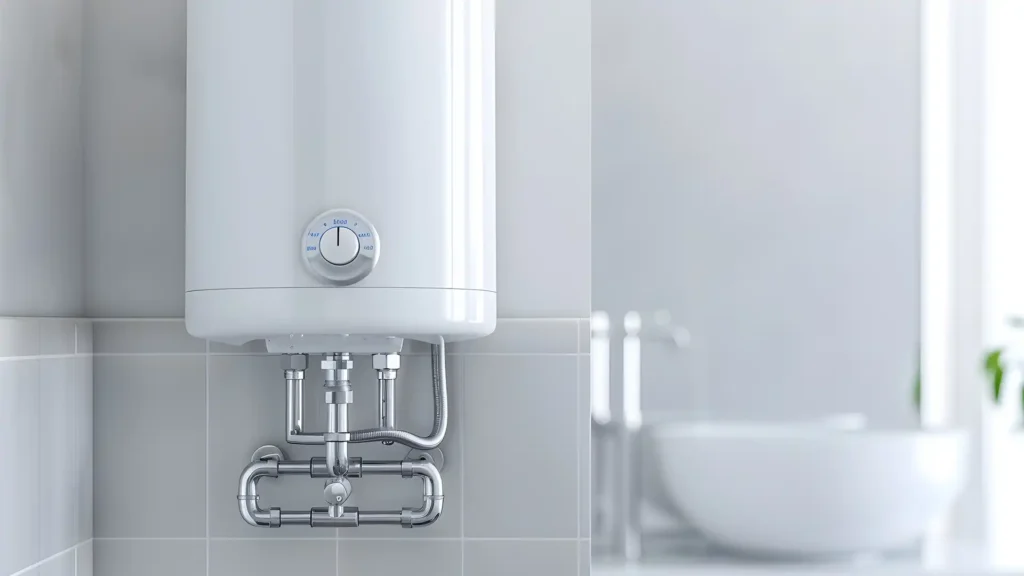
Temperature settings often get ignored until something goes wrong. Many people set their thermostat once and forget it. But small adjustments can make a big difference.
If your water is too hot, lowering the thermostat not only improves comfort but also reduces energy consumption. If it’s too cold, increasing the setting slightly may solve the issue.
However, avoid extreme changes. Gradual adjustments allow you to observe how the system responds. It’s like tuning a musical instrument—you don’t jump from one extreme to another; you fine-tune.
- flushing the tank to remove sediment buildup
Over time, minerals from water settle at the bottom of the tank. This sediment layer can reduce heating efficiency and cause strange noises.
Flushing the tank is one of the most effective troubleshooting steps. It involves draining water from the tank to remove accumulated debris. While it sounds technical, it’s manageable with basic guidance.
Imagine trying to boil water in a pot filled with sand. The heat distribution becomes uneven. That’s exactly what sediment does inside your heater.
Regular flushing not only fixes current issues but also prevents future ones.
- listening for unusual sounds
Water heaters communicate through sound more than people realize. Popping, rumbling, or hissing noises often indicate internal problems.
A popping sound usually points to sediment buildup. Rumbling might suggest overheating or pressure issues. Hissing could indicate a leak or valve problem.
Instead of ignoring these sounds, treat them as early warnings. The earlier you respond, the easier the fix.
Try standing near your heater when it’s operating. Close your eyes and listen. It may feel unusual, but it’s a surprisingly effective diagnostic method.
- inspecting for leaks and moisture
Even a small leak can lead to bigger problems if left unchecked. Moisture around the base of the heater, dripping pipes, or rust stains are all signs worth investigating.
Leaks can come from loose connections, worn-out valves, or internal tank damage. Tightening fittings might solve minor leaks, but persistent moisture often requires deeper attention.
Think of leaks as whispers before a shout. Addressing them early prevents costly repairs later.
- testing the pressure relief valve
The pressure relief valve is a safety feature designed to release excess pressure. If it malfunctions, it can affect performance and safety.
Testing it involves lifting the valve slightly and allowing some water to flow out. If water doesn’t release or continues to drip afterward, the valve may need replacement.
This step might feel intimidating, but it’s essential. Pressure buildup is one of the most overlooked issues in water heaters.
- examining heating elements or burners
In electric heaters, heating elements are responsible for warming the water. If one fails, you might get lukewarm water instead of hot.
In gas heaters, burners play a similar role. A dirty or clogged burner can reduce efficiency.
Inspecting these components requires caution. If you’re comfortable, you can check for visible damage or buildup. Otherwise, this is where professional help becomes valuable.
The idea is to ensure the “engine” of the heater is functioning properly.
- checking water pressure consistency
Low or fluctuating water pressure can affect how your heater performs. Sometimes, the issue isn’t the heater itself but the plumbing system.
Check other taps in your home. If pressure is low everywhere, the problem might be with the main supply. If it’s isolated to hot water, the heater or its connections may be responsible.
Understanding this distinction saves time. It prevents you from fixing the wrong problem.
- insulating pipes and the tank
Heat loss is a silent efficiency killer. If your water cools down quickly, poor insulation might be the reason.
Adding insulation to pipes and the tank helps maintain temperature, especially in colder environments. It’s a simple upgrade with noticeable results.
This step isn’t just troubleshooting—it’s optimization. It improves performance while reducing energy costs.
- resetting the system when necessary
Sometimes, a simple reset can resolve unexpected issues. Many electric heaters have a reset button, usually located near the thermostat.
Pressing it can restore normal function if the system has shut down due to overheating or electrical faults.
However, frequent resets indicate an underlying problem. Use this step as a temporary solution, not a permanent fix.
bringing it all together
Troubleshooting a water heater isn’t about memorizing steps; it’s about developing awareness. Each idea in this list connects to a larger principle: pay attention early, act thoughtfully, and avoid panic.
What makes these approaches “smart” isn’t complexity—it’s intention. Instead of reacting to failure, you learn to anticipate and prevent it.
Over time, you’ll notice patterns. You’ll recognize sounds, understand temperature shifts, and respond with confidence. The water heater stops being a mysterious appliance and becomes something you understand and manage.
a short reflection from experience
I once ignored a faint rumbling sound for weeks. It didn’t seem urgent. One morning, the heater stopped working entirely. The issue turned out to be heavy sediment buildup that could have been resolved with a simple flush.
That experience changed how I approach maintenance. Now, I treat small signs seriously. It’s a mindset shift that applies beyond water heaters—attention to detail often prevents bigger problems.
frequently asked questions
- why does my water heater produce a popping sound
A popping sound is usually caused by sediment buildup at the bottom of the tank. As water heats, trapped air bubbles escape through the sediment layer, creating noise. Flushing the tank typically resolves this issue. - how often should I flush my water heater
It’s recommended to flush your water heater at least once a year. In areas with hard water, more frequent flushing may be necessary to prevent mineral buildup. - what should I do if my water heater keeps tripping the breaker
If the breaker trips repeatedly, it may indicate a faulty heating element, wiring issue, or overload. Reset it once, but if the problem continues, consult a professional to avoid safety risks. - why is my hot water running out quickly
This can happen due to sediment buildup, a failing heating element, or increased usage. Checking and flushing the tank often improves performance. - is it safe to adjust the thermostat myself
Yes, adjusting the thermostat is generally safe if done carefully. Avoid setting it too high, as this can cause overheating or scalding. A moderate setting usually works best. - when should I replace my water heater instead of repairing it
If your water heater is over 10–12 years old, requires frequent repairs, or shows signs of severe corrosion, replacement may be more cost-effective than continued troubleshooting.
closing thoughts
A water heater doesn’t demand constant attention, but it does appreciate occasional care. These troubleshooting ideas are not just fixes—they are habits. When practiced regularly, they transform how you interact with your home.
Instead of reacting to cold showers or strange noises with frustration, you respond with understanding. And that small shift—from confusion to control—makes all the difference.
About the Author