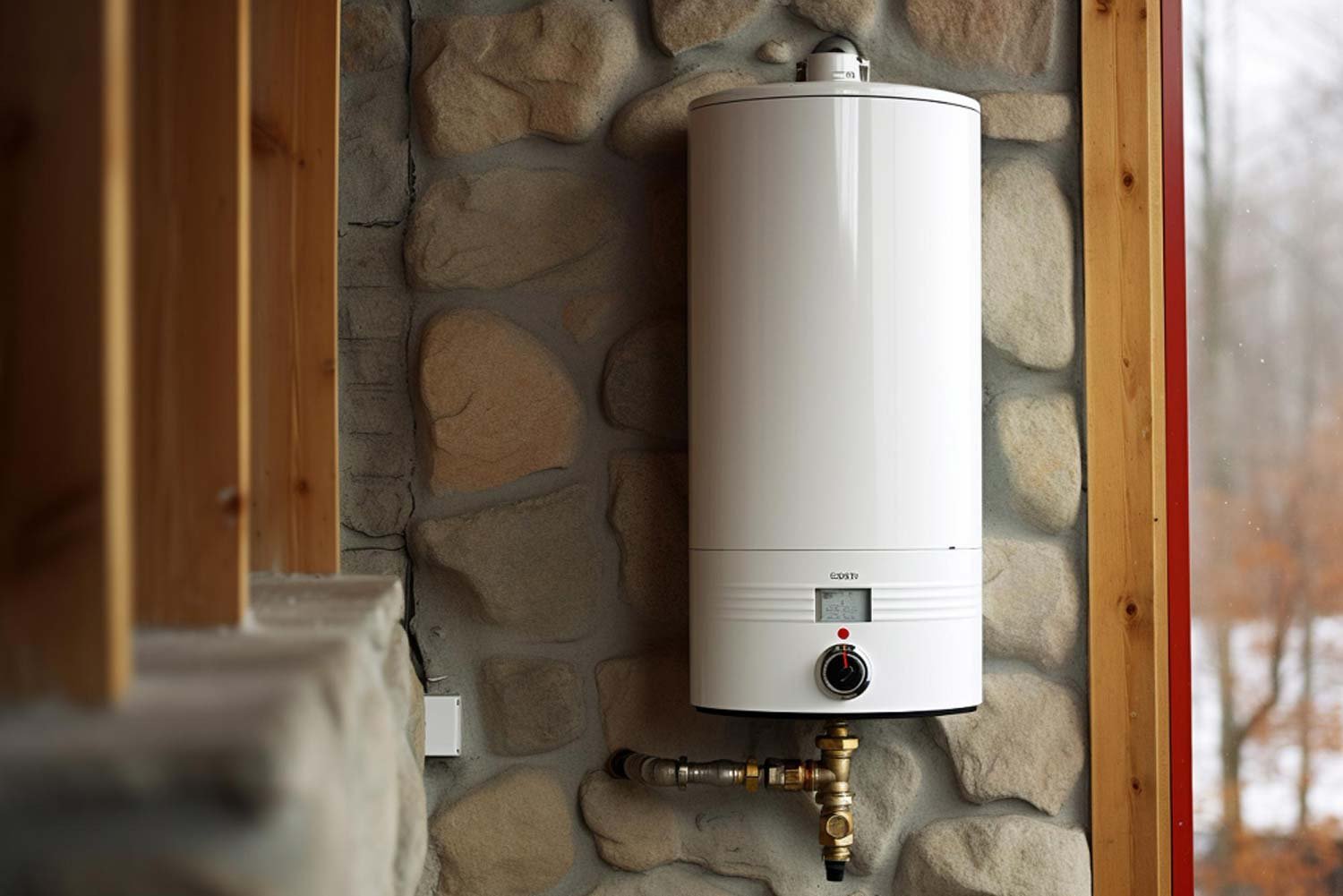
6 Essential Water Heater Safety Rules Every Family Should Know
I still remember the night my cousin called me in a panic — water was pooling around the base of his water heater, a faint smell of something burning, and his kids were already in bed upstairs. He had no idea what to do. Thankfully, nothing serious happened, but it was a real wake-up call for both of us.
Water heaters are one of those appliances we completely ignore until something goes wrong. And when something does go wrong, it can go really wrong — we’re talking floods, gas leaks, even explosions in extreme cases. I’ve spent years learning (sometimes the hard way) how to keep my family safe around this often-overlooked machine sitting quietly in the corner of the basement or utility room.
Here’s what I wish someone had told me years ago.
1. Know Where Your Shutoff Valves Are — Before You Need Them
This sounds almost too basic, but you’d be amazed how many people have no clue where their water heater’s shutoff valve is. I didn’t know for the first two years in my house.
There are actually two shutoffs you need to know:
- The cold water inlet valve — this stops fresh water from entering the tank
- The gas shutoff valve (for gas heaters) or the circuit breaker (for electric heaters)
In an emergency — like a leak, an odd smell, or visible damage — the first thing you need to do is shut these off. If you’re fumbling around in a panic trying to find them, every second counts.
What I do: Once a year, I walk my spouse through where these valves are. We even labeled them with a piece of bright orange tape. Sounds overkill, but when panic sets in, simple labels save lives.
If you have a gas water heater, also locate the main gas shutoff for your house. It’s usually near the meter outside. Knowing both — the appliance-level and house-level shutoffs — gives you a complete safety net.
2. Check the Temperature Pressure Relief (TPR) Valve Regularly
This is the safety rule most homeowners completely skip, and honestly it’s the most important one.
The TPR valve is a small device mounted on the side or top of your water heater tank. Its job is to release pressure if the tank gets too hot or over-pressurized. Without it working properly, a water heater can literally rupture. I’m not trying to scare you — it’s rare — but it has happened.
Here’s the thing: TPR valves can corrode and fail silently. You’d have no idea yours was broken unless you tested it.
How to test it (it’s easy, takes 2 minutes):
- Place a bucket under the discharge pipe connected to the TPR valve
- Carefully lift the lever on the valve for 3–5 seconds
- You should see hot water flow out — that means it’s working
- Release the lever — the water should stop
If no water comes out, or if water keeps dripping after you release it, the valve needs replacing. It’s a cheap fix — usually $15–$30 for the part — but skipping it is not an option.
I test mine every spring when I do my general home maintenance check. If you want a deeper look at related safety habits, this guide on 7 Essential Water Heater Safety Tips for Every Home is worth bookmarking.
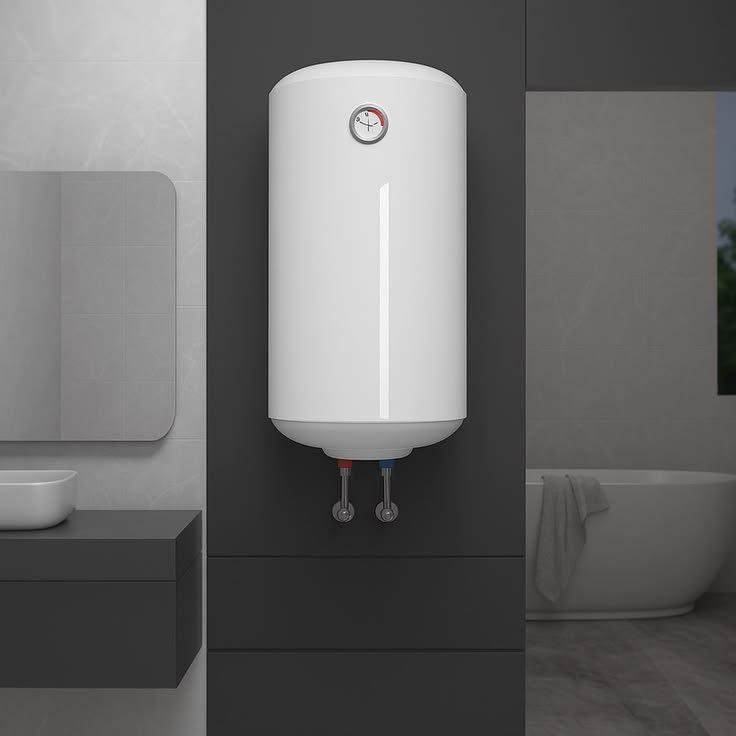
3. Set Your Temperature to the Right Range — Not Too Hot, Not Too Low
Most water heaters come pre-set from the factory at 140°F. That sounds fine until you realize that water at 140°F can cause a serious scald burn in just 5 seconds. With kids around, that’s terrifying.
But here’s the flip side: setting it too low (below 120°F) creates a different problem. At lower temperatures, a dangerous bacteria called Legionella can grow inside your tank and cause Legionnaire’s disease, a serious lung infection.
So what’s the sweet spot?
| Temperature | Risk |
|---|---|
| Below 120°F | Bacterial growth (Legionella) |
| 120°F | Recommended safe minimum |
| 120–122°F | Ideal for most homes with children |
| 140°F | Factory default — scalding risk |
| Above 140°F | Serious burn hazard, accelerated wear |
My setup: I keep mine at 120°F and use a mixing valve at the tap to balance comfort. This protects against both scalds and bacterial growth.
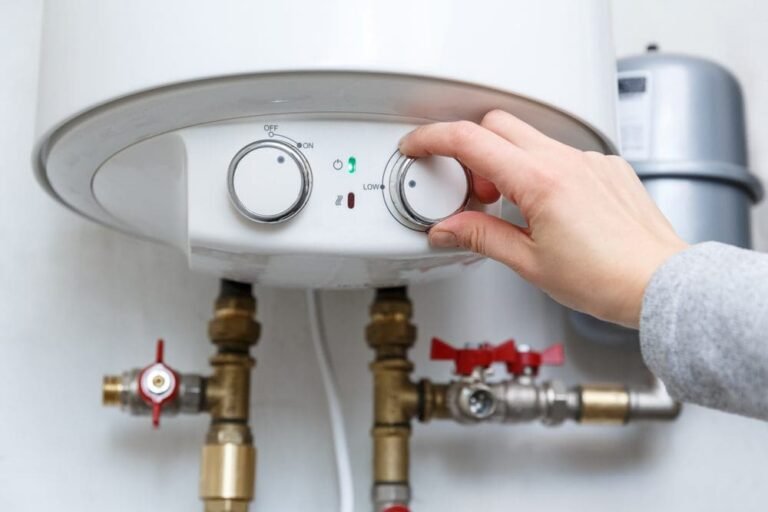
To adjust your temperature, look for the thermostat dial on the heater — on gas units it’s usually near the bottom behind a panel, and on electric units you may need to remove a small access panel. If you’re unsure, your manual (or a quick model number search) will show you exactly where it is.
4. Never Ignore Unusual Smells or Sounds
Your water heater will usually tell you when something’s wrong — you just have to listen.
Sulfur or rotten egg smell: If you have a gas heater, this is a red flag for a potential gas leak. Don’t turn any switches on or off, don’t use your phone inside the house, just open windows and get everyone outside. Call your gas company from a safe distance.
For electric water heaters, a rotten egg smell usually points to a failing anode rod reacting with the water — less dangerous, but still needs attention.
Rumbling or popping sounds: This almost always means sediment buildup inside the tank. Minerals (especially calcium and magnesium in hard water) settle at the bottom of the tank over time, and when the heating element works against that crust, you get those unsettling sounds. It reduces efficiency and can stress the tank walls.
Hissing sounds: Could mean steam escaping or a small leak around a fitting. Don’t ignore it.
I learned this the hard way when I ignored a rumbling sound for almost six months. By the time I flushed the tank, there was so much sediment buildup that my heating bills had noticeably crept up. A simple flush every 6–12 months would’ve prevented all of it.
For troubleshooting strange sounds specifically, check out this detailed breakdown: 7 Smart Water Heater Maintenance and Care Guide Solutions for Strange Noises
5. Keep the Area Around Your Water Heater Clear and Ventilated
This one seems obvious but gets ignored constantly — especially in tight utility rooms or garages where stuff just piles up.
For gas water heaters, adequate airflow isn’t optional — it’s a safety requirement. Gas heaters need combustion air to function correctly. When the area is stuffed with boxes, old paint cans, cleaning supplies, or anything flammable, you’re creating two problems:
- Fire hazard — flammable materials near an open-flame igniter
- Carbon monoxide risk — restricted airflow can cause incomplete combustion, producing CO gas
Carbon monoxide is odorless and colorless. Without a CO detector nearby, you’d have no warning.
What I keep in mind:
- Maintain at least 18 inches of clearance on all sides of the heater
- Store zero flammable liquids nearby (gasoline, paint thinner, etc.)
- Install a carbon monoxide detector within 10 feet of the unit if it’s gas-powered
- Check that the flue pipe (the exhaust vent on gas heaters) is intact and properly connected at least once a year
For electric water heaters, ventilation is less critical for combustion, but you still want the area clear for heat dissipation and safe access.
Here’s a helpful overview if you want to review safety checks in more detail: 5 Powerful Water Heater Safety Checks That Prevent Accidents
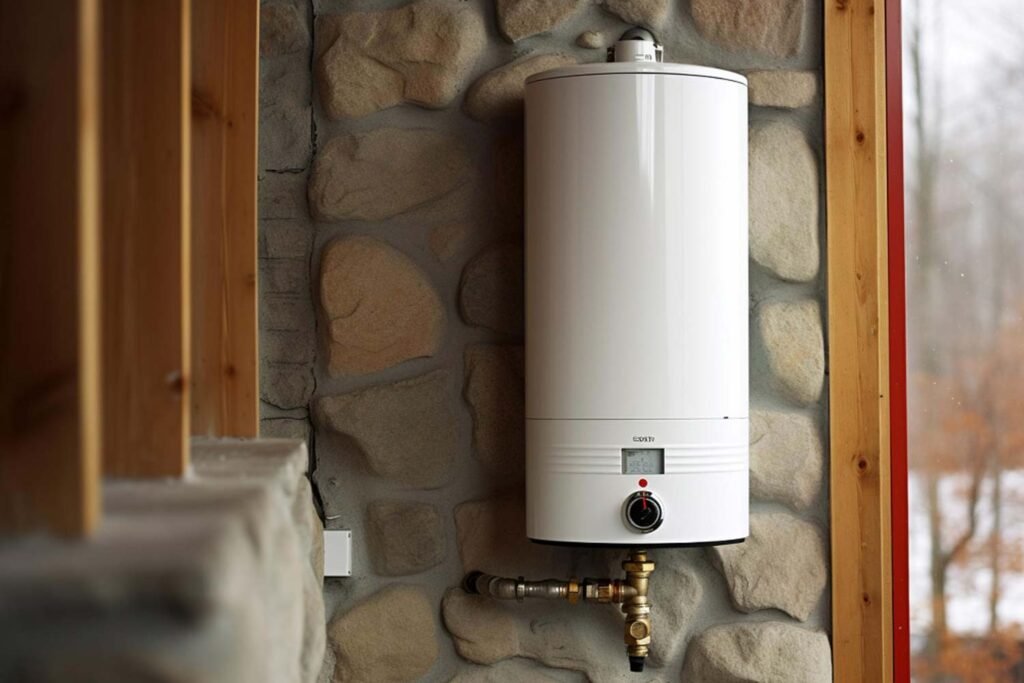
6. Know the Age of Your Water Heater — and Plan Ahead
Most water heaters last 8–12 years. After that, they don’t just become less efficient — they become a safety risk. Older tanks are more prone to corrosion, leaks, and TPR valve failure.
The problem is most people have no idea how old their unit is. They moved into the house and just… never checked.
Here’s how to find out:
Look for the serial number on the label affixed to the tank. The first few digits usually encode the manufacture date. For example, a serial starting with “0614” likely means June 2014. Each brand has a slightly different format — you can plug the serial into a site like BuildingAdvisor or just Google “[brand name] water heater serial number age decoder.”
Once you know the age, here’s a simple risk framework I use:
| Age | Action |
|---|---|
| 0–6 years | Routine maintenance, annual flush |
| 7–10 years | Increase inspection frequency, test TPR valve twice yearly |
| 10–12 years | Start planning for replacement, watch for rust or leaks |
| 12+ years | Replace proactively — don’t wait for a failure |
I made the mistake of pushing mine to 13 years before replacing it. By the end, the anode rod was completely gone, the tank had minor corrosion, and I was genuinely lucky it didn’t spring a serious leak. A proactive replacement would’ve cost the same — with none of the stress.
Common Mistakes Families Make (That Create Real Danger)
Let me be blunt about the stuff I see all the time:
Setting and forgetting. People install a water heater and never touch it again for a decade. No flushing, no inspection, no TPR test. This is how small problems become expensive (or dangerous) ones.
Assuming a working heater is a safe heater. Just because you’re getting hot water doesn’t mean everything is fine. The TPR valve could be corroded. The anode rod could be depleted. Sediment could be stressing the tank. Hot water coming out is not a health certificate.
DIY-ing things that need a pro. Some things — like flushing the tank or adjusting the thermostat — are completely fine to do yourself. Others, like repairing a gas connection or replacing a flue pipe, absolutely need a licensed technician. Know the line.
Ignoring water discoloration. Rusty or brownish water from your hot tap is a sign the tank is corroding from the inside. That’s not a cosmetic issue — it means the tank wall integrity may be compromised.
A Simple Annual Safety Checklist
Here’s what I actually run through once a year. Takes about 30 minutes total:
- [ ] Test the TPR valve
- [ ] Flush the tank to remove sediment
- [ ] Check the anode rod (every 2–3 years; replace if more than 50% depleted)
- [ ] Inspect the flue pipe for rust or loose connections (gas heaters)
- [ ] Verify temperature setting with a thermometer at the tap
- [ ] Check the area around the heater for clutter or flammables
- [ ] Confirm shutoff valves are operational and labeled
- [ ] Test carbon monoxide and smoke detectors nearby
- [ ] Note the heater’s age and condition
If you’re doing all of this, you’re already ahead of 90% of homeowners.
Final Thoughts
Water heater safety isn’t glamorous, and it doesn’t come up in casual conversation. But it matters — a lot. A failing water heater can cause property damage, injury, or worse. And most of the risks are completely preventable with a little awareness and a yearly 30-minute check.
The truth is, I only became careful about this after watching my cousin’s near-miss. Don’t wait for your own version of that story.
Start with just one thing today: find out how old your water heater is. From there, build the habit. Your future self — and your family — will thank you.
Also worth reading: 10 Powerful Water Heater Safety Rules You Must Follow — a comprehensive breakdown that goes even deeper on some of the points covered here.
About the Author