5 Powerful Water Heater Maintenance and Care Guide Descaling Tricks That Save Money
Meta Description: Water heater maintenance and care guide descaling tricks help you save money, extend your unit’s lifespan, and boost energy efficiency with simple DIY steps anyone can follow.
5 Descaling Tricks to Save Money: The Powerful Water Heater Maintenance and Care Guide
Hot water is one of those things you never give a thought to — until it’s gone.
See, most of us completely neglect our water heater for years. Then, one day they receive a sky-high energy bill or take a cold shower. The culprit? Mineral scale and sediment deposits hiding within the tank.
The good news is you don’t need a plumber to solve this problem. With the right water heater maintenance and care guide descaling tricks, you can do it yourself, reduce your energy bills by hundreds of dollars and help your unit live years longer.
This guide outlines five tried-and-true, money-saving descaling hacks — clearly explained in layman’s terms, step by step.
How Scale Buildup Is Stealthily Destroying Your Water Heater
Before we get into the tricks, let’s check in with the enemy: mineral scale.
Tap water has dissolved minerals such as calcium and magnesium. As the water heats up, these minerals separate from the water, sticking to the inside of your tank and heating elements. They gradually build up into a hard, crusty layer known as limescale or scale buildup.
Here’s why that’s a big deal:
Just like insulation on your heating element, scale builds up and reduces the effectiveness. That means your heater works a lot harder to heat the same volume of water.
The more it works, the more energy it consumes — and the greater your bill swells.
In time, the stress leads the heating element or the tank itself to fail prematurely.
How Fast Does Scale Build Up?
That depends on your water “hardness.” Scale forms more quickly in hard water because it has higher dissolved minerals.
| Water Hardness Level | Minerals (mg/L) | Scale Risk |
|---|---|---|
| Soft | 0–60 | Low |
| Moderately Hard | 61–120 | Moderate |
| Hard | 121–180 | High |
| Very Hard | 181+ | Very High |
If you live in a region with hard water (prevalent in the Midwest, Southwest and parts of the South), descaling is especially important.
Water Heater Desperately Needs Descaling? Here Are Some Signs
Unsure whether your unit requires attention? Watch for these red flags:
- Sounds like rumbling or popping from the tank — that’s the scale cracking from heat
- Water heats slower now than ever before
- Unfamiliar bloated energy bills with no apparent explanation
- Rusty or discolored hot water from your taps
- Eggy odor in hot water (from bacteria in sediment)
- Reduced hot water pressure
If you experience two or more of these signs, your heater is due for a descaling session.
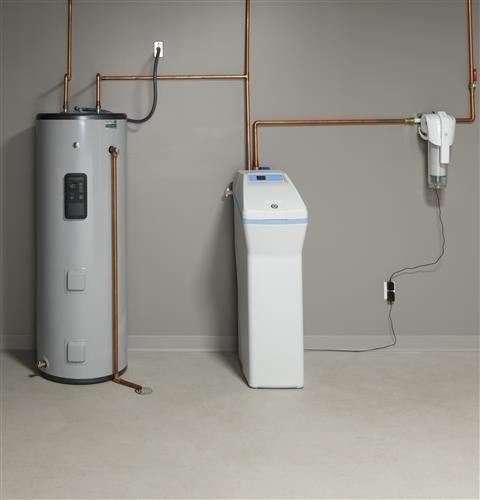
Hack #1 — The Yearly Tank Flush (The One That Everyone Overlooks)
It’s the single biggest maintenance step you can take. But most homeowners never do it.
Flushing your tank removes sediment that builds at the bottom over time. This sediment traps heat, causes the burner to run longer and shortens your heater’s life incredibly.
What You’ll Need
- Garden hose
- Flathead screwdriver
- Work gloves
- Bucket (optional)
Step-by-Step Tank Flushing Process
Step 1: Turn off the power. For electric heaters, trip the breaker. For gas heaters, turn the thermostat to “Pilot.”
Step 2: Attach a garden hose to the drain valve on the bottom of the tank. Lead the other end to a floor drain or outside.
Step 3: Shut off the cold water supply to the heater.
Step 4: Turn on a hot water faucet somewhere in your house (such as the bathroom sink). This alleviates pressure and allows the water to flow freely.
Step 5: Open the drain valve and let the water flow out completely. The water might also be brown, yellow or murky. That’s normal — it’s all the gunk that’s coming out.
Step 6: After completely draining the tank, turn on the cold water supply very briefly. Run it for 2–3 minutes to agitate any remaining sediment and flush it out.
Step 7: Turn off the drain valve and remove the hose; refill the tank, then restore power.
Pro Tip: Do this once a year. If your water is extremely hard, do it every six months.
Trick #2 — Descaling With Vinegar for Electric Heater Elements
Electric water heaters have heating elements that are installed right inside the tank. Scale loves to coat these elements. When that occurs, the element can’t heat water efficiently — or it burns out altogether.
White vinegar is a natural acid that will break down mineral deposits without harming your tank.
Is This Safe for My Heater?
Yes. White vinegar is gentle enough for use inside a water heater tank. It’s the same stuff you cook with, just used a different way.
How to Descale With Vinegar
Step 1: Shut off the power to the heater and allow the water to cool for at least an hour. Hot water and vinegar produce sharp fumes.
Step 2: Using the drain valve, evacuate approximately one-third of the tank.
Step 3: Using a funnel, pour 3–4 gallons of undiluted white vinegar into the tank through the cold water inlet.
Step 4: Allow the vinegar to remain in the tank for 6 to 8 hours. Overnight is even better. The mineral deposits are slowly dissolved by the acid.
Step 5: Drain all of the vinegar completely from the tank.
Step 6: Flush the tank with clean water two or three times to keep any trace of vinegar from remaining before refilling.
Step 7: Restore power and let the tank reheat completely before using.
How Often Should You Do This?
| Water Type | Recommended Frequency |
|---|---|
| Soft water | Every 2–3 years |
| Moderately hard | Every 12–18 months |
| Hard water | Every 6–12 months |
| Very hard water | Every 4–6 months |
Tip #3 — The Anode Rod Switch That Guards Your Tank From the Inside
This trick isn’t descaling in the traditional sense — but it directly prevents the type of corrosion and buildup that wrecks water heaters from within.
Every tank-style water heater includes an anode rod — a long metal rod (typically magnesium or aluminum) that sits inside the tank. Its job is to corrode so your tank doesn’t have to. There’s a good reason it’s called a sacrificial anode.
Eventually, the rod will corrode away entirely, and the walls of your tank will begin to corrode in its place. The result is rust, leaks and total failure.
For a deeper look at how anode rods and other components work together to protect your unit, check out Water Heater Care — a helpful resource covering everything from routine checkups to full maintenance guides.
How to Inspect and Change the Anode Rod
Step 1: Disconnect power and water supply to the heater.
Step 2: Locate the anode rod. On most heaters, it’s located on the top of the unit — behind a plastic cap or accessible through the hot water outlet.
Step 3: Unscrew it with a 1-1/16 inch socket wrench. It may be tight. Apply firm, steady pressure.
Step 4: Pull the rod out and take a look. If it’s less than ½ inch thick, heavily rusted or eaten away entirely — replace it at once.
Step 5: Cover the threads of your new rod with plumber’s tape (Teflon tape) and screw it in tight.
Step 6: Restore water and power.
Anode Rod Comparison Table
| Rod Material | Best For | Lifespan | Cost |
|---|---|---|---|
| Magnesium | Soft water areas | 3–5 years | $20–$40 |
| Aluminum | Hard water areas | 4–6 years | $15–$35 |
| Zinc/Aluminum | Sulfur smell issues | 3–5 years | $20–$45 |
| Powered Anode | All water types | 20+ years | $150–$200 |
Replacing a $30 anode rod every couple of years is far less expensive than replacing a $600–$1,500 water heater.
Tip #4 — Deep Clean With Citric Acid for Tough Scale
When scale has been building for years and vinegar simply isn’t going to cut it, you need a heavier hitter: citric acid.
Citric acid is a biodegradable, food-safe cleaner that’s much more effective than vinegar at dissolving heavy mineral deposits. It is the same acid that’s in lemons and oranges — just in concentrated powdered form.
You can buy it at grocery stores, home improvement stores or online for about $5–$10 per pound.
Deep Descaling With Citric Acid
Step 1: Shut off the heater and allow the water to completely cool.
Step 2: Drain the tank fully using the drain valve.
Step 3: In a bucket, combine 1–2 pounds of citric acid powder with 2 gallons of warm water. Stir until fully dissolved.
Step 4: Using a funnel, pour the citric acid solution into the tank through the cold water inlet.
Step 5: Top up with additional water until the tank is about half full.
Step 6: Let the solution sit for 8 to 12 hours. For heavy buildup, let it sit for up to 24 hours.
Step 7: Completely drain and flush the tank with fresh water 3–4 times.
Step 8: Refill the tank and restore power.
Citric Acid vs. Vinegar — Which One Is Best?
| Feature | White Vinegar | Citric Acid |
|---|---|---|
| Strength | Mild | Stronger |
| Cost | $2–$4/gallon | $5–$10/lb |
| Safety | Food-safe | Food-safe |
| Smell | Strong | Mild |
| Best For | Light scale | Heavy buildup |
| Environmental Impact | Low | Very low |
Use vinegar for annual maintenance. Save the citric acid treatment for every 2–3 years or when buildup is severe.
Trick #5 — Install a Whole-House Water Softener or Inline Descaler
The best descaling tip of all? Prevent scale from developing in the first place.
This trick is an investment — but it pays for itself in short order with lower energy bills, reduced maintenance and a much longer heater life.
According to the U.S. Department of Energy, water heating accounts for 14–18% of a typical home’s energy bill — making it one of the highest-impact areas to optimize through prevention.
Option A — Water Softener System
A conventional water softener utilizes a process known as ion exchange to eliminate calcium and magnesium from your water supply before it even enters your heater.
Pros:
- Very effective at eliminating hard water
- Protects all water-using appliances (dishwasher, washing machine, etc.)
- Prolongs the lifespan of plumbing across your home
Cons:
- Costs $800–$2,500 installed
- Requires ongoing salt purchases ($5–$15/month)
- Needs occasional maintenance
Option B — Electronic or Magnetic Descaler
These devices attach to your water pipes and utilize electromagnetic fields that alter the structure of mineral particles so they don’t adhere to surfaces.
Pros:
- No salt or chemicals needed
- Low cost ($50–$200)
- Easy DIY installation
- No ongoing costs
Cons:
- Less effective than traditional softeners
- Most effective as a preventive measure, not a cure
Option C — Template Assisted Crystallization (TAC) Filter
This newer technology transforms dissolved minerals into microscopic crystals that flow cleanly through pipes without adhering. It uses no chemicals and doesn’t waste water the way conventional softeners do.
Pros:
- No chemicals or salt
- No water waste
- Highly effective
- Low maintenance
Cons:
- Costs $300–$700 installed
- Less common, fewer installers
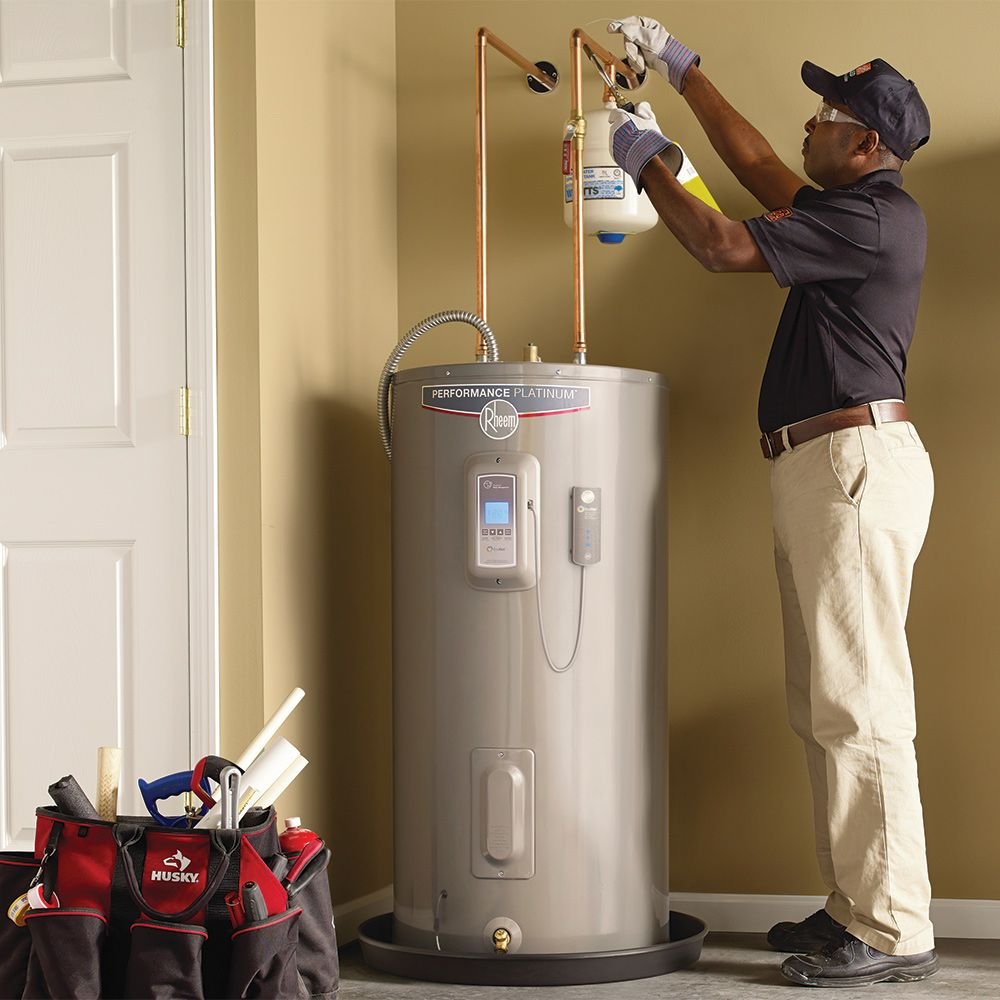
Creating a Basic Water Heater Maintenance Schedule
Consistency is everything. Here’s a simple year-round schedule to help your heater function smoothly:
| Maintenance Task | Frequency | Difficulty | Cost |
|---|---|---|---|
| Flush the tank | Every 6–12 months | Easy | $0 |
| Inspect anode rod | Every 1–2 years | Moderate | $0–$40 |
| Vinegar descale | Every 12–18 months | Easy | $5–$10 |
| Citric acid deep clean | Every 2–3 years | Easy | $10–$20 |
| Test pressure relief valve | Every year | Easy | $0 |
| Check thermostat setting | Every year | Easy | $0 |
| Inspect for leaks/corrosion | Every 6 months | Easy | $0 |
Set a phone reminder once a year and save yourself thousands in repairs and replacement costs.
How Much Can You Really Save?
Let’s put real numbers behind this.
Water heating represents 14–18% of a typical home’s energy bill. Scale formation leads to a huge increase in energy usage:
- Just 1/4 inch of scale can cause a 10–15% loss in efficiency
- A 1/2 inch layer wastes 25–35% more energy
- Heavily scaled heaters can consume up to 50% more energy than a clean unit
Example: If your energy bill is $150/month and 15% goes to water heating, that’s $22.50/month or $270/year. A 25% efficiency loss from scale translates to roughly $67.50 per year wasted — just from neglecting your heater.
With these five hacks, that $67.50 stays in your pocket. Plus, you avoid a $1,000+ heater replacement that scale can cause 5–8 years earlier than normal.
Safety Rules to Keep in Mind Every Single Time
Water heaters involve hot water, electrical components and gas connections. Never skip these safety basics:
- Always disconnect the power (electric breaker or gas pilot) before starting work on your heater
- Allow the water to cool for a minimum of one hour before draining — boiling water can cause serious burns
- Never turn the heater on when the tank is empty — this destroys electric heating elements immediately
- Keep the area around the heater dry and well-ventilated
- If you detect a smell of gas at any time, vacate the area immediately and contact your local gas company
Water Heater Descaling and Maintenance FAQs
Q: How can I tell if my water heater has scale buildup? Listen for rumbling, pops or banging sounds coming from your tank. These sounds occur as water percolates through layers of sediment. You can also watch for higher energy bills and slower water heating.
Q: Can I use apple cider vinegar in place of white vinegar? Stick with white vinegar. It is more acidic, less expensive, and will not leave any residue or color in your tank. Apple cider vinegar contains sugars that can end up feeding bacteria.
Q: Is it safe to descale a gas water heater the same way? Yes. Descaling the tank itself is identical. Just don’t forget to put the thermostat on “Pilot” rather than flipping a breaker. Never bring an open flame near vinegar or citric acid fumes.
Q: What is the lifespan of a water heater with proper maintenance? Most tank water heaters last an average of 12–15 years if well maintained. Without maintenance, scale and corrosion can reduce that to 6–8 years. Tankless heaters can last 20+ years with routine maintenance.
Q: Can I descale a tankless water heater with the same method? Tankless models require a slightly different process using a descaling pump kit and food-grade white vinegar or a commercial descaler. The principle is the same, but the steps are different. Many tankless models include a built-in service port, which makes this easier.
Q: What temperature should I keep my water heater? The EPA recommends 120°F (49°C). Hot enough to kill bacteria, low enough to slow scale formation and save energy. Going higher accelerates mineral buildup.
Q: Do I need a plumber to descale my water heater? Most of these jobs are easy to do yourself. But if you don’t feel comfortable working with plumbing, if your heater is quite old, or you detect rust and leaks, call a licensed plumber. Hiring a professional to descale typically costs $100–$250.
Q: Does a water softener mean you never have to descale? A water softener drastically cuts down on scale, but not 100%. Even with softened water, you should still flush your tank once a year.
Wrapping It All Up
Your water heater operates quietly day in and day out. It warms up your showers, your dishes, your laundry. And in return, all it asks is a bit of attention once or twice a year.
Now, armed with this water heater maintenance and care guide descaling tricks list, you know exactly what to do:
- Flush the tank once a year to remove sediment
- Use white vinegar to dissolve light mineral deposits
- Replace the anode rod before it is fully gone
- Use citric acid for deeper, tougher scale
- Install a water softener or descaler to remove scale at the source
None of these steps require professional training. Most can be done for less than $20. And collectively, they can add years to your heater’s life and save you hundreds of dollars in wasted energy.
Start with the tank flush this weekend. It will take less than an hour and costs nothing. Your future self — and your wallet — will thank you.
About the Author