7 Fast Water Heater Safety Fixes That Could Save Lives
7 Fast Water Heater Safety Fixes That Could Save Lives
It usually starts quietly. A faint metallic ticking sound. A slightly odd smell. Maybe a drop of water you assume is nothing. Water heaters are among the most overlooked appliances in any home, yet they operate under pressure, heat, and, in some cases, gas—three elements that demand respect. When something goes wrong, the consequences can escalate from inconvenience to catastrophe in minutes.
Many households treat their water heater as a “set it and forget it” system. But behind that tank or compact unit is a combination of physics, pressure dynamics, and aging materials that need occasional attention. The good news? You don’t always need expensive upgrades or professional overhauls to significantly improve safety. In fact, a handful of fast, practical fixes—some taking less than an hour—can dramatically reduce the risk of leaks, burns, gas exposure, or even explosions.
This guide doesn’t just list safety tips; it walks you through real-world fixes, the reasoning behind them, and how they can genuinely save lives.
temperature setting: a small adjustment with big consequences
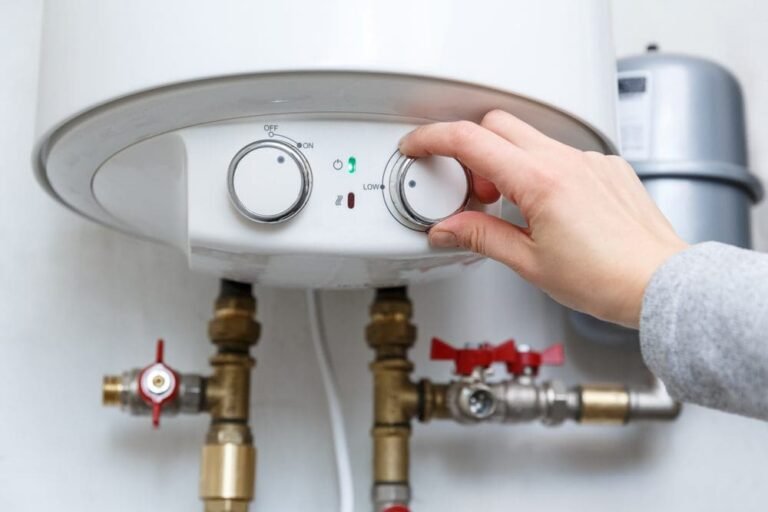
One of the quickest and most overlooked fixes is adjusting the thermostat on your water heater. Many units come preset at temperatures that are unnecessarily high—often around 140°F (60°C). While this might seem ideal for hot showers, it also increases the risk of scalding injuries, especially for children and older adults.
Lowering the temperature to around 120°F (49°C) significantly reduces this risk. At 140°F, it takes just a few seconds to cause serious burns. At 120°F, exposure time before injury increases dramatically, giving a margin of safety.
There’s another benefit that often surprises people: energy savings. Lowering the temperature reduces the heater’s workload, extending its lifespan and lowering utility bills. But beyond efficiency, the real value lies in prevention. Many scalding incidents happen not because of faulty equipment, but because the water is simply too hot.
A simple twist of a dial or a digital adjustment can transform your water heater from a potential hazard into a safer system.
pressure relief valve check: your silent guardian
Every standard water heater is equipped with a temperature and pressure relief (T&P) valve. This small component plays a massive role in safety. Its job is to release pressure if the tank becomes too hot or pressurized—preventing a possible rupture or explosion.
But here’s the problem: many homeowners never check it.
Testing the valve is straightforward. Carefully lift the lever slightly; you should hear a rush of water or air, and then it should snap back into place. If nothing happens, or if it leaks afterward, the valve may be faulty and needs replacement.
Ignoring this component is risky. A malfunctioning T&P valve removes a critical safety mechanism. In extreme cases, pressure buildup can turn a water heater into a dangerous projectile. While such events are rare, they are almost always linked to neglected safety systems.
Taking five minutes to test this valve once or twice a year is a simple fix that carries life-saving potential.
fixing leaks early: the difference between damage and disaster
A small leak is easy to dismiss. It might appear as a minor inconvenience—a bit of moisture around the base or a slow drip from a pipe. But leaks rarely stay small.
Water can corrode components, weaken structural supports, and damage electrical connections in electric units. In gas heaters, moisture can interfere with burners or pilot systems. Over time, what begins as a drip can evolve into a major failure.
The key is early detection and immediate action. Tightening a loose connection, replacing a worn-out washer, or sealing a joint can often resolve the issue quickly. If the tank itself is leaking, that’s usually a sign of internal corrosion, and replacement becomes necessary.
There’s also a hidden danger: mold growth. Persistent moisture creates an ideal environment for mold, which can affect indoor air quality and health.
Addressing leaks promptly isn’t just about preventing water damage—it’s about maintaining the integrity of the entire system.
installing a drain pan: simple, cheap, effective
Not every fix involves the heater itself. Sometimes, the smartest move is preparing for what could go wrong.
A drain pan placed beneath the water heater is a simple addition that can make a huge difference. If a leak occurs, the pan collects water and directs it safely to a drain or away from vulnerable areas.
This is especially important for heaters located in attics, closets, or upper floors. A tank failure in these locations can cause extensive structural damage and even create slip hazards.
Installation is usually quick and inexpensive. Yet many homes lack this basic safeguard.
Think of it as insurance. You hope you never need it, but if something goes wrong, it prevents a manageable issue from becoming a costly disaster.
checking venting systems: the invisible risk
For gas-powered water heaters, proper venting is critical. These systems produce combustion gases, including carbon monoxide—a colorless, odorless gas that can be deadly.
A blocked or damaged vent can cause these gases to accumulate inside the home. Unlike a water leak, you won’t see or smell the danger.
Inspecting the vent pipe is a fast but essential fix. Look for disconnections, rust, or blockages. Ensure the pipe slopes upward and vents outside properly. Birds’ nests, debris, or even snow can obstruct the outlet.
If anything looks questionable, it’s wise to involve a professional. But even a quick visual check can catch obvious issues.
Pair this with a carbon monoxide detector installed nearby, and you create an additional layer of protection.
This is one of those fixes where the absence of visible problems can be misleading. Everything may seem fine—until it isn’t.
flushing the tank: removing hidden buildup
Inside every water heater, minerals from the water gradually settle at the bottom of the tank. This sediment buildup reduces efficiency and can create hot spots that weaken the tank over time.
Flushing the tank removes this buildup. It’s a relatively simple process: turning off the heater, connecting a hose to the drain valve, and letting the water flow out until it runs clear.
The difference can be noticeable. The heater operates more quietly, heats more efficiently, and experiences less stress.
But beyond performance, there’s a safety angle. Excessive sediment can trap heat, increasing internal pressure and the risk of damage.
Regular flushing—once or twice a year—keeps the system in better condition and reduces the likelihood of unexpected failures.
securing the unit: stability matters more than you think
In many homes, especially in regions prone to vibrations or minor seismic activity, water heaters can shift or tip over if not properly secured.
Even without earthquakes, accidental bumps, structural shifts, or weak flooring can destabilize the unit. For gas heaters, this can lead to gas line damage. For any type, it can cause leaks or disconnections.
Securing the heater with straps or brackets anchored to the wall is a fast and effective fix. It ensures the unit remains upright and stable under various conditions.
This is particularly important for taller tanks, which have a higher center of gravity.
It’s easy to overlook stability when everything seems stationary. But when something moves unexpectedly, the consequences can be immediate and severe.
real-life perspective: why these fixes matter
Consider a typical scenario: a family notices their water heater making strange noises but ignores it. Over time, sediment builds up, the pressure increases, and the relief valve—never tested—fails to respond. Eventually, a leak develops, weakening the structure. One day, the system fails catastrophically.
Now imagine the same situation with the fixes in place. The temperature is set correctly. The tank is flushed regularly. The relief valve is tested. A drain pan is installed. The leak is noticed early and repaired.
The outcome is entirely different.
Safety isn’t about eliminating all risk—it’s about reducing it to a manageable level. These small actions create layers of protection that work together.
common mistakes people make
Many homeowners believe that if the water heater is working, it doesn’t need attention. This mindset leads to neglect.
Another common mistake is delaying minor repairs. A small issue today can become a major problem tomorrow.
Some people also assume that safety features are foolproof. But components wear out, and systems require periodic checks.
Understanding these patterns helps shift the approach from reactive to proactive.
the mindset shift: from convenience to awareness
Water heaters are designed for convenience. You turn on a tap, and hot water appears. This simplicity can create a false sense of security.
But behind that convenience is a system that requires occasional awareness.
Adopting a mindset of periodic checks—rather than waiting for problems—makes all the difference. It doesn’t require technical expertise, just consistency.
Think of it as part of home care, like locking doors or checking smoke alarms.
when to call a professional
While many fixes are simple, some situations require expert attention. Persistent leaks, unusual noises, inconsistent heating, or signs of corrosion are indicators that professional inspection is needed.
It’s better to address uncertainties early rather than risk escalation.
A qualified technician can assess internal components, test systems more thoroughly, and recommend necessary repairs or replacements.
combining fixes for maximum safety
Each of the seven fixes discussed here provides a layer of protection. But their true strength lies in combination.
Lower temperature reduces burn risk. A functioning relief valve manages pressure. Leak fixes maintain integrity. A drain pan limits damage. Proper venting prevents gas hazards. Flushing improves performance and safety. Securing the unit ensures stability.
Together, they create a comprehensive safety approach.
No single fix is enough on its own, but together they form a robust defense.
final thoughts
Water heater safety doesn’t require major investments or complex procedures. It’s about small, intentional actions taken at the right time.
These seven fast fixes are practical, accessible, and effective. They address the most common risks and provide meaningful protection.
In many cases, the difference between a safe home and a dangerous situation comes down to awareness and action.
Taking a few hours today to implement these fixes could prevent serious consequences tomorrow.
It’s not about fear—it’s about responsibility.
And sometimes, responsibility is as simple as turning a dial, checking a valve, or tightening a connection.
frequently asked questions
- how often should i check my water heater for safety issues?
It’s a good idea to perform a basic visual inspection every few months and a more thorough check—like testing the pressure relief valve and flushing the tank—once or twice a year. - is it safe to lower the water heater temperature myself?
Yes, adjusting the thermostat is usually simple and safe. Just ensure you follow the manufacturer’s instructions and avoid setting it too low, which could allow bacteria growth. - what are the signs that my water heater is becoming dangerous?
Warning signs include unusual noises, rusty water, leaks, inconsistent temperatures, or a rotten egg smell in gas units. Any of these should be addressed promptly. - do all water heaters need a drain pan?
While not mandatory in all setups, a drain pan is highly recommended, especially for units installed indoors or above ground level where leaks could cause damage. - can i flush the tank without professional help?
Yes, many homeowners can flush their water heater using basic tools and instructions. However, if you’re unsure or the unit hasn’t been maintained in years, it’s safer to consult a professional. - how long does a typical water heater last?
Most traditional tank water heaters last between 8 to 12 years. Regular maintenance can extend their lifespan and improve safety.
By staying attentive and applying these simple fixes, you turn a commonly ignored appliance into a well-managed, safer part of your home.
About the Author