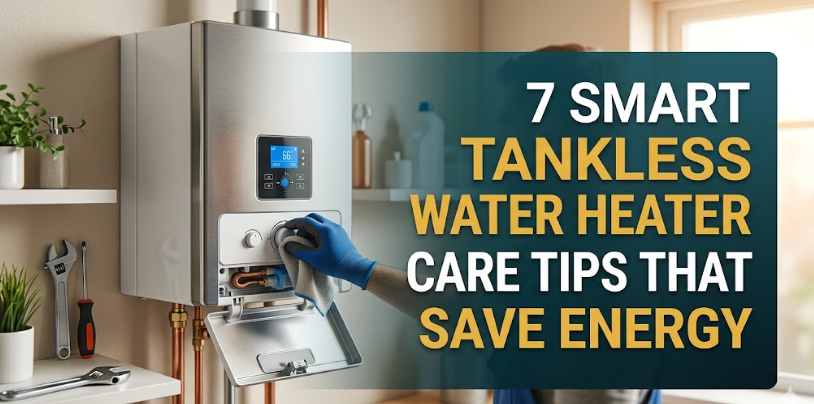
7 Smart Tankless Water Heater Care Tips That Save Energy
7 smart tankless water heater care tips that save energy
If you’ve ever stood under a shower waiting for hot water to arrive, you already understand why tankless water heaters have become so popular. They promise endless hot water, better efficiency, and less wasted energy compared to traditional storage tanks. But here’s the part most people overlook: a tankless system only delivers those benefits when it’s properly cared for.
A neglected unit quietly loses efficiency. It works harder than it should, consumes more gas or electricity, and eventually shows signs of wear that could have been prevented. The good news is that you don’t need to be a technician to keep your system in top shape. A handful of smart habits—simple, practical, and consistent—can dramatically improve performance while keeping your energy bills under control.
This guide walks you through seven thoughtful care strategies that go beyond basic maintenance. These aren’t just checklist items; they’re habits that align your system with how you actually use hot water in your home. Along the way, you’ll also see small examples, practical notes, and real-life observations that make each tip easier to apply.
- flush the system regularly to fight hidden buildup
Mineral buildup is the silent enemy of tankless water heaters. If your water supply contains calcium or magnesium (commonly known as hard water), those minerals gradually collect inside the heat exchanger. Over time, they form a stubborn layer that blocks efficient heat transfer.
What does that mean in everyday terms? Your heater needs more energy to produce the same amount of hot water. It runs longer cycles, heats less efficiently, and can even overheat internally.
Flushing the system removes these deposits and restores efficiency. Ideally, this should be done once a year, though homes with very hard water may benefit from doing it every six months.
A simple flushing routine usually involves:
- Turning off power or gas to the unit
- Closing water valves
- Connecting hoses to service ports
- Circulating a descaling solution (often vinegar or a commercial cleaner) for 30–60 minutes
- Rinsing thoroughly with clean water
Think of it like cleaning the inside of a kettle. When the scale disappears, heat transfers more easily, and everything works faster with less effort.
A small observation: homeowners who stay consistent with flushing often notice quicker hot water delivery and fewer temperature fluctuations. It’s not dramatic at first, but over months, the difference becomes clear—especially in energy usage.
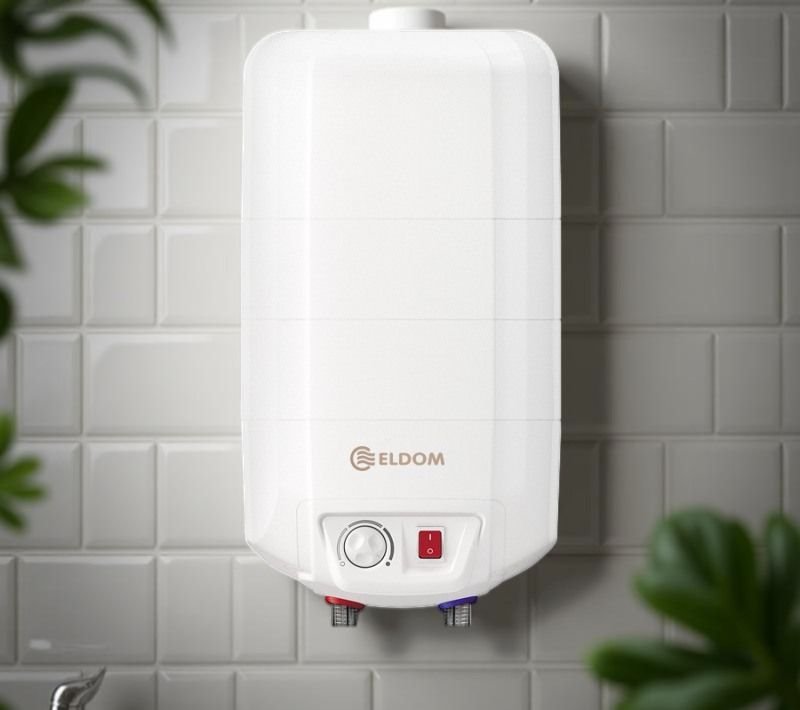
- install a water softener or scale filter
If flushing removes existing buildup, a water softener prevents it from forming in the first place. This is one of the smartest long-term investments you can make for a tankless system.
Hard water doesn’t just affect your heater. It leaves spots on dishes, stiffens laundry, and reduces the lifespan of appliances. But for tankless heaters, the impact is especially significant because of their narrow internal pathways.
A water softener replaces hardness minerals with sodium or potassium ions, making the water less likely to form scale. Alternatively, a scale inhibitor or filter can reduce buildup without fully softening the water.
Here’s a quick comparison:
Option: water softener
Best for: very hard water areas
Benefit: nearly eliminates scale buildup
Consideration: requires salt refills and maintenance
Option: scale filter
Best for: moderate hardness
Benefit: easier installation, lower upkeep
Consideration: less effective than full softening
Even a modest improvement in water quality can extend the time between flushes and keep your heater running efficiently. It’s not just about protecting the system—it’s about reducing how hard it has to work every day.
- keep the inlet filter clean
Many tankless water heaters include a small inlet filter that catches debris before it enters the unit. It’s easy to forget about because it’s out of sight, but when it clogs, it can disrupt water flow and force the system to compensate.
Reduced flow means the heater may cycle on and off more frequently, which wastes energy and creates inconsistent temperatures.
Cleaning the inlet filter is usually a quick task:
- Turn off the water supply
- Remove the filter (often located near the cold water inlet)
- Rinse it under running water
- Reinstall it securely
It takes only a few minutes, yet it prevents a chain reaction of inefficiencies. Imagine trying to drink through a partially blocked straw—you instinctively suck harder. Your heater behaves in a similar way when flow is restricted.
A practical habit: check the filter every three to six months, especially if your home has older plumbing or occasional sediment in the water.
- adjust temperature settings thoughtfully
Many homeowners set their water heater temperature higher than necessary without realizing the energy impact. Every degree above what you actually need requires additional energy.
For most households, a setting around 120°F (49°C) is sufficient for daily use. It’s hot enough for showers, cleaning, and sanitation while minimizing energy consumption and reducing the risk of scalding.
Lowering the temperature has several benefits:
- Reduced energy use
- Less strain on heating components
- Lower risk of mineral precipitation (scale forms more quickly at higher temperatures)
Here’s a simple way to approach it:
Start at your current setting, then gradually lower it by a few degrees. Use it for a few days and observe. If no one notices a difference, you’ve found a more efficient setting.
Some households prefer slightly higher temperatures for specific uses, like dishwashing. In that case, consider using a point-of-use booster rather than raising the entire system’s temperature.
This tip isn’t about sacrificing comfort. It’s about aligning the system with actual needs instead of assumptions.
- insulate hot water pipes for faster delivery
Tankless systems heat water on demand, but that doesn’t eliminate heat loss in the pipes. If your pipes run through unheated areas—like basements, garages, or exterior walls—heat escapes before the water reaches the tap.
Insulating those pipes keeps water warmer during transit, which means:
- Faster hot water delivery
- Less wasted water while waiting
- Reduced energy consumption
Pipe insulation is inexpensive and easy to install. Foam sleeves can be cut to size and fitted over exposed pipes in minutes.
This improvement often goes unnoticed until you realize you’re no longer waiting as long for hot water. It’s a subtle change that adds up over time, especially in larger homes where plumbing runs are longer.
A useful tip: prioritize insulating the first few meters of pipe closest to the heater. That’s where the most heat loss typically occurs.
- schedule periodic professional inspections
While many maintenance tasks are DIY-friendly, a professional inspection adds another layer of protection. Technicians can spot issues that aren’t visible from the outside—such as early signs of wear, gas pressure irregularities, or venting problems.
An annual inspection usually includes:
- Checking heat exchanger condition
- Verifying gas or electrical connections
- Inspecting venting and airflow
- Testing safety components
- Reviewing error codes or system history
This isn’t just about preventing breakdowns. A well-tuned system operates more efficiently, using less energy to deliver the same performance.
Think of it like a health check-up. You might feel fine, but a quick examination can catch small problems before they become serious.
Many homeowners skip this step to save money, but it often pays for itself by avoiding costly repairs and maintaining energy efficiency.
- use smart usage habits to reduce demand
Maintenance isn’t only about the machine—it’s also about how you use it. Small behavioral adjustments can significantly reduce energy consumption without affecting comfort.
Consider these practical habits:
- Spread out hot water usage instead of running multiple fixtures at once
- Fix leaks promptly (even a small drip wastes heated water)
- Use low-flow showerheads and faucets
- Wash clothes with warm or cold water when possible
- Turn off hot water when it’s not needed (for example, while brushing teeth)
Tankless systems respond instantly to demand, which is great—but it also means they activate every time hot water is requested. Reducing unnecessary demand directly lowers energy use.
Here’s a simple example: if two showers and a washing machine run simultaneously, the heater must operate at a higher capacity. Spacing those activities out allows it to work more efficiently.
Over time, these habits become second nature. They don’t require effort once they’re part of your routine, yet they contribute to noticeable energy savings.
bringing it all together
Caring for a tankless water heater isn’t about complicated procedures or technical expertise. It’s about consistency and awareness. Each of the seven tips in this guide addresses a specific aspect of efficiency, but together they form a complete approach.
Flush the system to remove buildup. Prevent scale with better water quality. Keep filters clean so water flows freely. Adjust temperature settings to match real needs. Insulate pipes to reduce heat loss. Schedule professional check-ups to catch hidden issues. And finally, adopt smarter usage habits to minimize demand.
When these practices come together, the result is a system that works smoothly, consumes less energy, and lasts longer. You may not notice dramatic changes overnight, but over months and years, the benefits become clear—in lower bills, fewer repairs, and a more reliable supply of hot water.
There’s also a certain satisfaction in knowing your home is running efficiently. It’s not about perfection; it’s about making thoughtful choices that add up over time.
frequently asked questions
- how often should i flush my tankless water heater?
Most systems should be flushed once a year. If you live in an area with hard water, consider flushing every six months to prevent heavy scale buildup. - is a water softener really necessary?
It depends on your water quality. In areas with hard water, a softener can significantly improve efficiency and extend the life of your heater. In moderate conditions, a scale filter may be sufficient. - what temperature should i set my tankless water heater to?
A setting around 120°F (49°C) is ideal for most households. It balances comfort, safety, and energy efficiency. - can i do maintenance myself, or should i hire a professional?
Basic tasks like flushing, cleaning filters, and insulating pipes can often be done yourself. However, an annual professional inspection is recommended for optimal performance. - why does my hot water fluctuate sometimes?
Temperature fluctuations can result from mineral buildup, clogged filters, or inconsistent water flow. Regular maintenance usually resolves these issues. - does pipe insulation really make a difference?
Yes, especially in homes with longer plumbing runs or exposed pipes. Insulation reduces heat loss, speeds up delivery, and lowers overall energy use.
By paying attention to these details and building a routine around them, you turn your tankless water heater into what it was designed to be: an efficient, dependable part of your home that quietly does its job without wasting energy.
About the Author