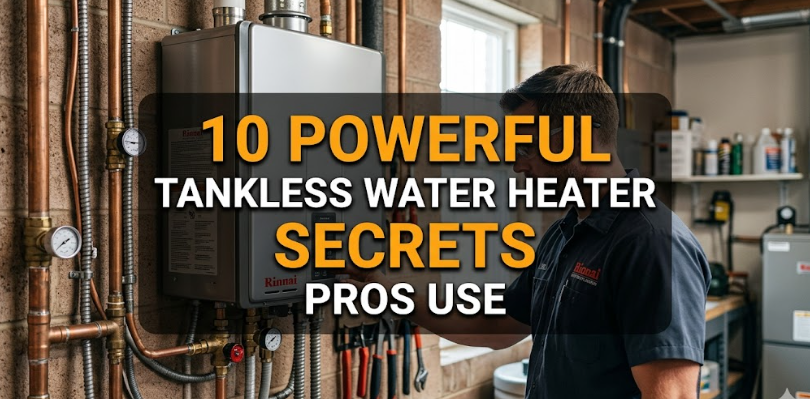
10 Powerful Tankless Water Heater Secrets Pros Use
10 powerful tankless water heater secrets pros use
Most homeowners install a tankless water heater expecting endless hot water and lower energy bills. What many don’t realize is that these systems have a hidden layer of performance—one that professionals quietly tap into to squeeze out efficiency, longevity, and reliability. The difference between a tankless unit that merely works and one that performs exceptionally well often comes down to small, strategic decisions.
This guide isn’t just a list of tips—it’s a deeper look into how experienced technicians think about tankless systems. You’ll find practical insights, overlooked details, and real-world habits that can transform how your unit performs over time.
secret 1: flow rate is everything, not just size
Most buyers focus on the size of the unit, assuming bigger is better. Professionals don’t think that way. They start with flow rate—the amount of hot water your home actually needs at peak demand.
Imagine two showers running at once, a washing machine filling, and someone using the kitchen sink. Each fixture demands a certain gallons-per-minute (GPM) rate. If your system can’t keep up, you’ll notice temperature drops, even if the heater itself is technically “large.”
Pros calculate demand first, then choose a unit that comfortably exceeds it. They also consider seasonal water temperature differences. In colder months, incoming water is cooler, requiring more energy to heat—effectively reducing output.
A properly matched flow rate doesn’t just improve comfort. It reduces strain on the system, which can extend its lifespan significantly.
secret 2: water quality quietly determines lifespan
Here’s something most manuals barely emphasize: your water quality has a bigger impact on your heater than your usage habits.
Hard water, rich in minerals like calcium and magnesium, leads to scale buildup inside the heat exchanger. Over time, this buildup acts like insulation, forcing the unit to work harder to heat water. Efficiency drops, energy use rises, and eventually, components begin to fail.
Professionals almost always recommend installing a water softener or a scale prevention system, especially in regions known for hard water. It’s not an optional upgrade—it’s a protective measure.
They also schedule regular descaling maintenance, typically once a year, though in high-mineral areas it may be needed more frequently.
Think of it this way: ignoring water quality is like driving a car with dirty oil. It may run for a while, but damage is inevitable.
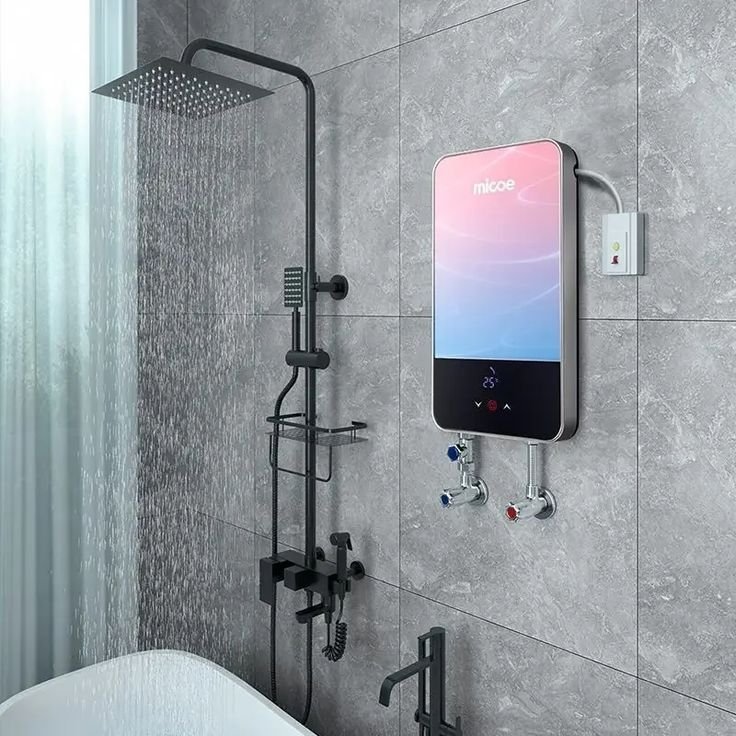
secret 3: proper venting is not just about safety—it’s about performance
Most people associate venting with safety, and that’s true. But pros understand that venting also affects how efficiently your system runs.
Tankless water heaters rely on precise airflow for combustion. Poor venting can lead to incomplete combustion, which reduces efficiency and increases wear on internal components.
Improper vent length, incorrect materials, or too many bends in the vent pipe can all create resistance. This forces the unit to work harder than necessary.
Experienced installers carefully follow manufacturer specifications for venting—not just to meet code, but to optimize performance. They also ensure proper placement to avoid recirculating exhaust gases.
A well-vented system runs cleaner, quieter, and more efficiently.
secret 4: recirculation systems eliminate the biggest hidden waste
One of the biggest complaints about tankless systems is the delay in getting hot water at the tap. Many assume this is unavoidable—but professionals know better.
A recirculation system keeps hot water moving through your pipes, so it’s instantly available when you turn on a faucet. This reduces water waste and improves convenience.
There are different types of recirculation systems. Some use dedicated return lines, while others use crossover valves for retrofit installations.
Pros often pair recirculation with timers or smart controls, so it only runs when needed. This avoids unnecessary energy use while still delivering instant hot water.
It’s a simple upgrade that dramatically improves the user experience.
secret 5: temperature settings impact more than comfort
Most homeowners set their water heater temperature once and forget it. Professionals treat temperature as a fine-tuning tool.
Setting the temperature too high doesn’t just increase energy use—it can also lead to scaling, especially in hard water conditions. High temperatures accelerate mineral deposits inside the heat exchanger.
On the other hand, setting it too low may create hygiene concerns, particularly in systems that supply multiple fixtures.
Pros often recommend a balanced setting around 120°F (49°C) for most households. It’s hot enough for comfort and sanitation, yet low enough to minimize scaling and energy waste.
They may also adjust temperature seasonally or based on household needs.
secret 6: gas pressure and supply lines are often overlooked
In gas-powered tankless systems, fuel supply is critical. Many installation issues trace back to inadequate gas pressure or undersized supply lines.
Tankless units require a significant amount of gas when operating at full capacity—much more than traditional tank heaters. If the supply can’t keep up, the unit will struggle to maintain temperature.
Professionals check gas line sizing carefully and may upgrade it if necessary. They also verify pressure levels under load conditions, not just at rest.
This ensures the heater can operate at its full potential without interruptions or inefficiencies.
secret 7: maintenance is not optional—it’s strategic
Tankless systems are often marketed as low-maintenance, but that’s only partially true. Compared to tank heaters, they require less frequent attention—but the maintenance they do need is more precise.
Professionals approach maintenance proactively. They don’t wait for problems to appear. Instead, they follow a schedule that includes:
- flushing the system to remove scale buildup
- inspecting filters and cleaning them
- checking sensors and ignition components
- verifying venting and airflow
Regular maintenance keeps efficiency high and prevents small issues from becoming expensive repairs.
It also protects your warranty, which often requires documented maintenance.
secret 8: installation location affects long-term performance
Where your tankless heater is installed matters more than most people think.
Outdoor units, for example, must handle temperature fluctuations and weather exposure. Indoor units require proper ventilation and space for servicing.
Pros consider accessibility, climate, and proximity to fixtures when choosing a location. They aim to minimize pipe length to reduce heat loss and delay in hot water delivery.
They also ensure there’s enough clearance for maintenance and future repairs.
A well-chosen installation location makes the system easier to maintain and more efficient to operate.
secret 9: electrical components need attention too
Even gas-powered tankless systems rely on electrical components—control boards, sensors, fans, and ignition systems.
Power fluctuations or poor wiring can affect performance. Professionals often recommend surge protection to safeguard sensitive electronics.
They also ensure proper grounding and stable connections during installation.
In areas with frequent power outages, some homeowners even install backup power solutions to keep their system running.
Ignoring the electrical side of a tankless heater can lead to unexpected failures.
secret 10: understanding usage patterns unlocks real savings
The final secret isn’t about hardware—it’s about behavior.
Professionals pay close attention to how a household uses hot water. They identify peak usage times, common patterns, and inefficiencies.
For example, running multiple high-demand fixtures simultaneously may push the system beyond its limits. Spacing out usage slightly can improve performance without any upgrades.
They may also recommend low-flow fixtures to reduce demand without sacrificing comfort.
Real efficiency comes from aligning your system’s capabilities with your daily habits.
bringing it all together
A tankless water heater is more than a piece of equipment—it’s a system that responds to design, installation, and usage choices. Professionals don’t rely on a single trick; they combine multiple strategies to get the best results.
From sizing and water quality to venting and maintenance, each detail plays a role. Ignoring even one can limit performance, while addressing all of them can transform your experience.
The goal isn’t perfection—it’s balance. A well-optimized system runs efficiently, lasts longer, and delivers consistent comfort.
frequently asked questions
- how often should a tankless water heater be serviced?
Most professionals recommend servicing once a year. In areas with hard water, it may be needed every 6–9 months to prevent scale buildup. - is a water softener necessary for tankless systems?
If you have hard water, yes. A water softener significantly reduces mineral buildup and helps maintain efficiency and longevity. - why does my tankless heater take time to deliver hot water?
This delay is usually due to the distance between the heater and the fixture. Installing a recirculation system can provide near-instant hot water. - can a tankless water heater run out of hot water?
It doesn’t “run out” like a tank heater, but it can be overwhelmed if demand exceeds its flow rate. Proper sizing prevents this issue. - what temperature should i set my tankless water heater to?
Around 120°F (49°C) is ideal for most homes. It balances comfort, safety, and efficiency. - are tankless water heaters really more energy efficient?
Yes, especially when properly installed and maintained. They heat water on demand, which reduces standby energy loss compared to traditional tank systems.
About the Author