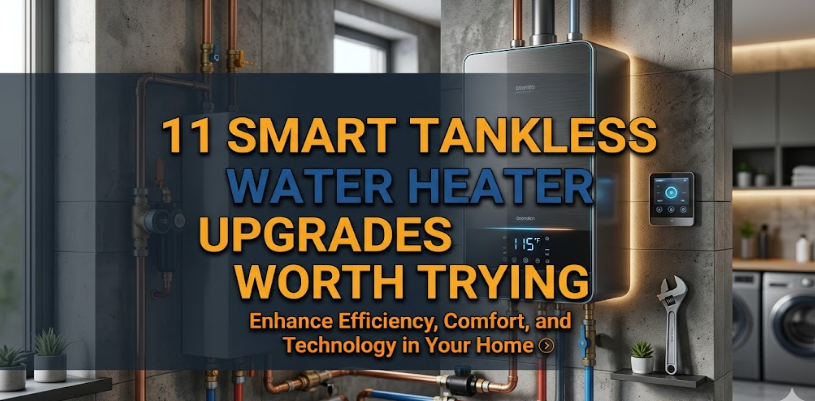
11 Smart Tankless Water Heater Upgrades Worth Trying
11 Smart Tankless Water Heater Upgrades Worth Trying
There’s something quietly satisfying about turning on a tap and getting exactly the temperature you want—no waiting, no guesswork, no sudden blasts of cold water. Tankless water heaters already promise that convenience, but like most modern systems, they’re only as good as how well they’re set up, maintained, and enhanced over time. If you’ve been using one for a while, or you’re planning to install one, upgrading it intelligently can transform your daily routines in ways you might not expect.
This isn’t about flashy add-ons or unnecessary spending. It’s about practical, thoughtful upgrades that improve performance, efficiency, comfort, and longevity. Some are simple tweaks you can do in an afternoon. Others may require professional help but pay off for years. Each one is worth considering depending on your home, usage habits, and expectations.
- Upgrade to a high-performance filtration system
Hard water is one of the most common enemies of tankless systems. Mineral buildup doesn’t just reduce efficiency—it can slowly choke the unit from the inside. Installing a high-quality filtration system, especially one designed to reduce scale, can dramatically improve performance.
Think of it as giving your heater clean fuel. When minerals like calcium and magnesium are filtered out before entering the system, the internal heat exchanger stays cleaner. That means better heat transfer, faster response times, and fewer maintenance headaches.
Many homeowners notice the difference not only in hot water consistency but also in smoother shower flow and reduced need for descaling.
- Add a recirculation pump for instant hot water
Tankless heaters are efficient, but they still have one small drawback: the time it takes for hot water to travel through pipes. A recirculation pump solves that by keeping hot water moving through your plumbing system.
The result? Nearly instant hot water at every tap.
Modern pumps can be programmed or triggered on demand, so you’re not wasting energy running them constantly. Some systems even learn your usage habits and adjust automatically.
This upgrade is especially valuable in larger homes where bathrooms and kitchens are far from the heater.
- Install a smart controller or Wi-Fi module
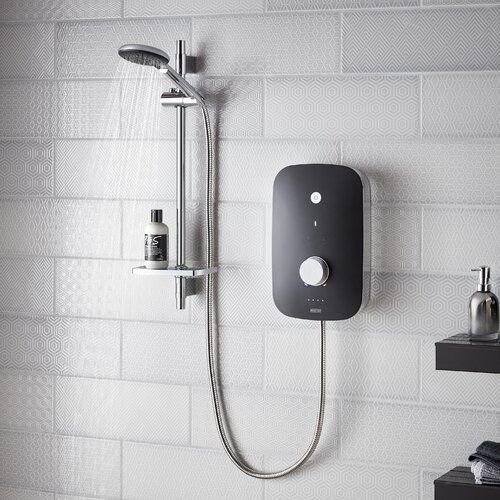
Technology has found its way into nearly every corner of the home, and water heaters are no exception. A smart controller lets you monitor and adjust your system remotely using your phone.
Imagine lowering the temperature when you’re away or checking energy usage in real time. Some systems send alerts if there’s a problem, like unusual temperature fluctuations or maintenance needs.
It’s not just convenience—it’s control. And over time, that control can lead to noticeable energy savings.
- Upgrade your venting system
Proper venting is essential for safety and efficiency, especially in gas-powered units. Older or basic venting setups may not be optimized for modern high-efficiency heaters.
Switching to a better venting system can improve airflow, reduce backdraft risks, and even enhance overall performance. In some cases, it can also make installation more flexible, allowing you to reposition the unit in a more convenient location.
While this upgrade typically requires professional installation, it’s one of those behind-the-scenes improvements that quietly makes everything work better.
- Install isolation valves for easier maintenance
If you’ve ever had to service a tankless water heater without isolation valves, you know how inconvenient it can be. These valves allow you to shut off water flow to the unit without affecting the rest of your home.
They also make flushing and descaling much easier, which is crucial for long-term performance. With isolation valves in place, routine maintenance becomes a straightforward task instead of a complicated process.
It’s a small upgrade with a big impact on usability and longevity.
- Add a scale inhibitor or water softener
Even with filtration, some minerals may still make their way into your system. A scale inhibitor or water softener adds another layer of protection.
Unlike traditional softeners that remove minerals entirely, some inhibitors alter their structure so they don’t stick to surfaces. This helps prevent buildup inside the heat exchanger.
The result is improved efficiency, longer lifespan, and fewer maintenance intervals. For homes in hard water areas, this upgrade is almost essential.
- Upgrade to a larger capacity unit (or add a second unit)
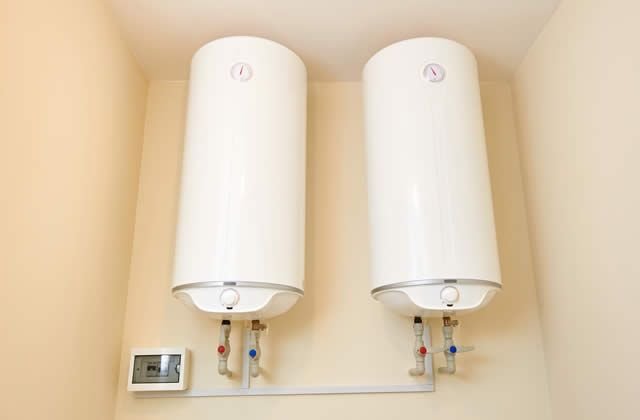
If your household has grown or your hot water demands have increased, your current unit might be working harder than it should. Upgrading to a larger capacity model—or adding a second unit—can make a noticeable difference.
Instead of struggling to supply multiple showers, washing machines, and dishwashers at once, your system can handle everything smoothly.
This isn’t just about comfort. Overworking a unit can lead to wear and tear, so upgrading capacity can actually extend the life of your system.
- Install a temperature mixing valve
Consistency is key when it comes to hot water. A temperature mixing valve blends hot and cold water to deliver a steady output temperature, even if demand fluctuates.
This upgrade is particularly useful in households with children or elderly members, where sudden temperature changes can be uncomfortable or even dangerous.
It also allows you to set your heater at a higher temperature for efficiency while still delivering safe water at the tap.
- Improve insulation around pipes and the unit
Heat loss doesn’t just happen at the heater—it can occur along the pipes as well. Insulating both the unit and nearby plumbing helps retain heat, reducing the amount of energy needed to maintain temperature.
This upgrade is simple, affordable, and effective. It’s one of those small changes that quietly improves efficiency without requiring major modifications.
In colder climates, it can also prevent pipes from freezing, adding another layer of protection.
- Add a pressure regulator
Water pressure that’s too high can strain your tankless system, leading to premature wear or inconsistent performance. A pressure regulator ensures that water enters the unit at an optimal level.
This not only protects the internal components but also improves overall stability. Showers feel more consistent, appliances run more smoothly, and the heater operates within its ideal range.
It’s a subtle upgrade, but one that contributes to long-term reliability.
- Integrate with a whole-home energy management system
For those who want to take efficiency to the next level, integrating your tankless water heater with a broader energy management system can be a game changer.
This allows your heater to work in sync with other systems, like solar panels or smart thermostats. For example, it might heat water during periods of low energy demand or when renewable energy is available.
The result is a smarter, more efficient home where everything works together instead of in isolation.
A closer look at how these upgrades work together
Individually, each of these upgrades offers a specific benefit. But when combined thoughtfully, they create a system that’s far more capable than the sum of its parts.
For instance, pairing a recirculation pump with insulated pipes and a smart controller can deliver instant hot water while minimizing energy waste. Adding filtration and a scale inhibitor ensures that performance stays consistent over time.
It’s not about doing everything at once. It’s about choosing the upgrades that make the most sense for your situation and building from there.
Practical considerations before upgrading
Before diving into upgrades, it’s worth taking a step back and evaluating your current setup. Consider factors like water quality, household size, and usage patterns.
If you’re dealing with hard water, filtration and scale prevention should be a priority. If your main frustration is waiting for hot water, a recirculation pump might be the best starting point.
Budget is another important factor. Some upgrades are inexpensive and easy to install, while others require a larger investment. The key is to focus on changes that offer the most value for your specific needs.
When to call a professional
While some upgrades can be handled as DIY projects, others require professional expertise. Venting changes, capacity upgrades, and system integrations are best left to experienced technicians.
A professional can also help assess your system and recommend upgrades you might not have considered. Sometimes, a small adjustment can make a big difference.
The long-term payoff
Upgrading a tankless water heater isn’t just about immediate comfort. It’s about creating a system that works better, lasts longer, and uses energy more efficiently.
Over time, these improvements can lead to lower utility bills, fewer repairs, and a more enjoyable daily experience. It’s one of those investments that pays off in both practical and intangible ways.
Frequently Asked Questions
- Are tankless water heater upgrades expensive?
Not necessarily. Some upgrades, like pipe insulation or isolation valves, are relatively inexpensive. Others, such as adding a second unit or integrating smart controls, require a larger investment. It depends on what you choose and your existing setup. - Do I need all these upgrades at once?
No. It’s best to prioritize based on your needs. Start with the upgrades that address your biggest concerns, then add others over time. - How often should a tankless water heater be maintained?
Most systems benefit from annual maintenance, especially flushing to remove scale buildup. With proper upgrades like filtration and scale inhibitors, maintenance may become easier and less frequent. - Can I install these upgrades myself?
Some upgrades, such as insulation or basic filtration systems, can be DIY-friendly. However, more complex changes like venting or capacity upgrades should be handled by professionals. - Will these upgrades improve energy efficiency?
Yes, many of them are specifically designed to reduce energy waste. Better insulation, smart controls, and optimized water flow all contribute to improved efficiency. - What’s the most important upgrade to start with?
It depends on your situation, but for many households, addressing water quality with filtration or scale prevention is a strong starting point. From there, you can focus on convenience and performance upgrades.
In the end, a tankless water heater is more than just a utility—it’s part of the rhythm of your home. With the right upgrades, it becomes something you rarely have to think about, because it simply works, day after day, exactly the way you need it to.
About the Author