7 Proven Tankless Water Heater Longevity Tips
7 Proven Tankless Water Heater Longevity Tips
Introduction
Tankless water heaters have become a popular choice for modern homes because of their energy efficiency, compact design, and ability to provide hot water on demand. Unlike traditional storage tanks, these systems heat water only when needed, which reduces energy waste and can significantly lower utility bills over time.
However, many homeowners make the mistake of assuming that “tankless” means “maintenance-free.” In reality, while these systems last longer than conventional water heaters, their lifespan heavily depends on how well they are maintained. A neglected tankless water heater can develop scale buildup, reduced efficiency, inconsistent water temperature, and even complete system failure long before its expected lifespan.
The good news is that with the right habits, a tankless water heater can last 15 to 25 years or more. This article explores 7 proven longevity tips that can help you maximize performance, reduce repair costs, and extend the life of your system.
Understanding How Tankless Water Heaters Work
Before diving into maintenance tips, it’s important to understand the basics of how these systems operate.
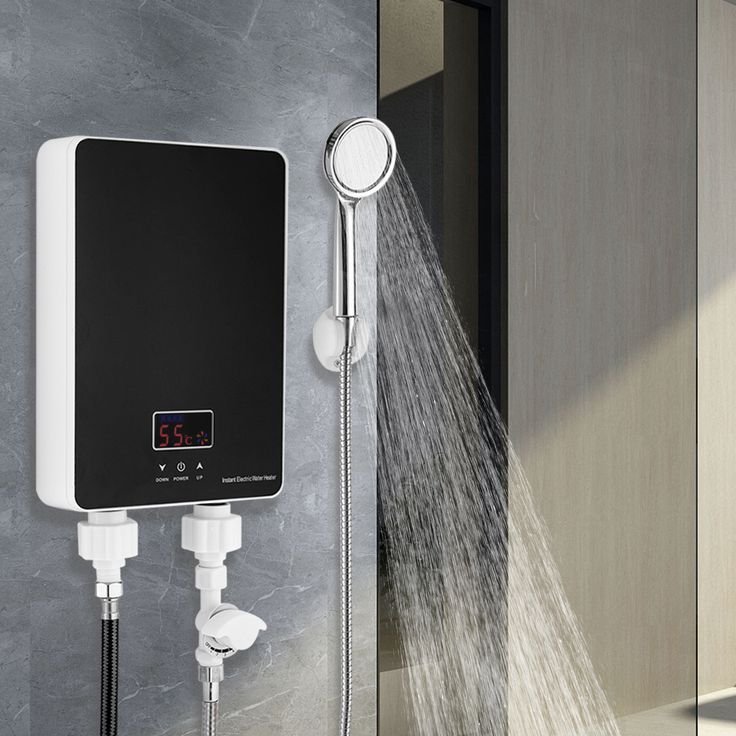
A tankless water heater heats water instantly as it flows through the unit. When you turn on a hot water tap, cold water travels through a pipe into the unit. Inside, either a gas burner or an electric element heats the water as it passes through a heat exchanger. The result is a continuous supply of hot water without storing it in a tank.
This on-demand process is efficient, but it also means the internal components are constantly exposed to water flow, temperature fluctuations, and mineral deposits. Over time, this exposure can wear down the system if not properly managed.
Now let’s explore how to keep it running smoothly for decades.
Tip 1: Regularly Flush the System to Prevent Scale Buildup
One of the biggest threats to a tankless water heater is mineral buildup, also known as scale. This is especially common in areas with hard water, where calcium and magnesium accumulate inside the heat exchanger.
Why flushing matters
When scale builds up, it restricts water flow and forces the system to work harder. This reduces efficiency, increases energy consumption, and can cause overheating or damage to internal components.
How often should you flush it?
- Every 6 months in hard water areas
- Once a year in soft water areas
Step-by-step overview of flushing process
- Turn off the power supply and gas line
- Close the water valves
- Connect a pump and vinegar solution or descaling liquid
- Circulate the solution through the system for 45–60 minutes
- Rinse thoroughly with clean water
Even though this process sounds technical, it is one of the most effective ways to extend system life.
Pro insight
Many homeowners skip flushing until problems appear—but by then, damage may already be done. Preventive flushing is far cheaper than replacing a heat exchanger.
Tip 2: Install a Water Softener if You Live in a Hard Water Area
Hard water is one of the most destructive forces for tankless systems. It doesn’t just leave minor deposits—it slowly clogs internal components and reduces heating efficiency.
Signs of hard water include:
- White chalky residue on faucets
- Reduced water pressure
- Frequent scaling inside appliances
How a water softener helps
A water softener removes calcium and magnesium before they enter the plumbing system. This prevents scale formation inside the heater and dramatically reduces maintenance needs.
Long-term benefits
- Extends lifespan of heat exchanger
- Improves energy efficiency
- Reduces flushing frequency
- Minimizes repair costs
While installing a softener adds upfront cost, it often pays for itself by preventing expensive repairs and extending the heater’s life by several years.
Tip 3: Maintain Proper Ventilation Around the Unit
Tankless water heaters require proper airflow to operate safely and efficiently, especially gas-powered models.
Why ventilation matters
Poor ventilation can lead to:
- Overheating
- Incomplete combustion
- Sensor errors
- Carbon buildup
Over time, these issues stress internal components and shorten lifespan.
What to check regularly
- Ensure vents are not blocked
- Check for dust or debris buildup
- Confirm outdoor units are free from obstructions
- Inspect exhaust pipes for leaks or corrosion
Indoor installation care
If your unit is installed indoors, proper air intake and exhaust systems must be maintained. Even small blockages can significantly affect performance.
Tip 4: Schedule Annual Professional Inspections
While DIY maintenance is important, professional inspections are equally critical for long-term durability.
What professionals check
- Heat exchanger condition
- Gas pressure levels
- Electrical connections
- Water flow sensors
- Error code diagnostics
- Overall system efficiency
Why it matters
Small issues like loose wiring or minor corrosion are often invisible to homeowners. A technician can identify and fix these problems before they turn into major failures.
Best practice
Even if your system seems fine, schedule at least one inspection per year. Think of it like a health check-up for your water heater.
Tip 5: Keep Water Pressure Within Safe Limits
Excessively high water pressure can damage internal components of a tankless water heater.
Ideal water pressure range
Most systems are designed to operate between 40–60 psi.
Problems caused by high pressure
- Stress on heat exchanger
- Increased wear on valves
- Leaks in fittings
- Shortened system lifespan
How to manage pressure
- Install a pressure regulator if needed
- Use a pressure gauge to monitor levels
- Adjust home plumbing system if pressure is too high
Even small adjustments can significantly reduce long-term wear.
Tip 6: Clean or Replace Inlet Water Filters Regularly
Most tankless water heaters come with an inlet filter that prevents debris from entering the system.
What happens if you ignore it
A clogged filter can lead to:
- Reduced water flow
- Overheating
- System shutdowns
- Increased strain on internal components
Maintenance routine
- Check every 3–6 months
- Rinse under running water
- Replace if damaged or worn
This is one of the simplest yet most overlooked maintenance tasks.
Tip 7: Avoid Frequent On/Off Cycling of the System
Constantly turning the system on and off or using extremely short bursts of hot water can increase wear over time.
Why it matters
Tankless water heaters are designed for steady operation. Frequent cycling causes:
- Electrical stress
- Ignition wear (for gas models)
- Sensor fatigue
Practical advice
- Group hot water usage when possible
- Avoid unnecessary short activations
- Let the system operate naturally during use
This helps stabilize internal temperature cycles and reduces long-term strain.
Additional Maintenance Habits That Help
While the seven tips above are the most important, a few extra habits can also improve performance:
- Use quality plumbing materials to avoid corrosion
- Keep installation area clean and dust-free
- Monitor for error codes regularly
- Check for unusual noises or temperature fluctuations
- Replace worn-out parts immediately
Small actions consistently applied make a big difference over time.
Common Mistakes That Reduce Lifespan
Many homeowners unintentionally shorten the life of their tankless water heaters by:
- Ignoring descaling until performance drops
- Using untreated hard water
- Skipping annual inspections
- Overloading the system with simultaneous usage
- Neglecting ventilation requirements
Avoiding these mistakes can easily add 5–10 years to the system’s life.
Cost vs Longevity Perspective
A tankless water heater is an investment. While initial installation costs may be higher than traditional heaters, the long-term savings come from:
- Lower energy consumption
- Fewer replacements
- Reduced repair frequency
- Longer operational lifespan
Proper maintenance ensures you get the maximum return on that investment.
Signs Your Tankless Water Heater Needs Attention
Watch for these early warning signs:
- Fluctuating water temperature
- Reduced water pressure
- Strange noises during operation
- Longer heating time
- Error codes on display
Addressing these early can prevent major breakdowns.
Final Thoughts
A tankless water heater is designed to last many years, but only if it is treated with consistent care. Think of it as a high-performance appliance that rewards attention and penalizes neglect.
By following these 7 proven longevity tips—regular flushing, water softening, ventilation maintenance, annual inspections, pressure control, filter cleaning, and smart usage habits—you can significantly extend the life of your system and keep it running efficiently for decades.
FAQs
- How long does a tankless water heater last on average?
Most tankless water heaters last between 15 to 25 years, depending on usage and maintenance quality. - How often should I descale my tankless water heater?
If you live in a hard water area, every 6 months is recommended. Otherwise, once a year is usually sufficient. - Do tankless water heaters require a lot of maintenance?
They require less maintenance than tank models, but regular descaling, inspections, and filter cleaning are still necessary. - What happens if I don’t maintain my tankless water heater?
You may experience reduced efficiency, higher energy bills, system errors, and a significantly shorter lifespan. - Is a water softener really necessary?
It is highly recommended in hard water areas because it prevents scale buildup and protects internal components. - Can I maintain a tankless water heater myself?
Yes, basic tasks like flushing and filter cleaning can be done at home, but annual professional servicing is still important.
About the Author