6 Smart Water Heater Cleaning Habits That Changed My Routine
6 Smart Water Heater Cleaning Habits That Changed My Routine
There was a time when I didn’t think much about my water heater. It sat quietly in a corner, doing its job, and as long as hot water came out when I needed it, I assumed everything was fine. Like many people, I treated it as a “set it and forget it” appliance—until it wasn’t.
The day my water heater started making strange popping sounds, followed by inconsistent water temperature, was the moment I realized I had been ignoring something important. That experience didn’t just lead me to fix a problem—it pushed me to build a set of simple habits that completely changed how I take care of my water heater.
These habits didn’t require expensive tools or professional training. What they did require was consistency, a bit of curiosity, and a willingness to learn from mistakes. Over time, they transformed not only the performance of my water heater but also how I approach home maintenance in general.
Below are the six habits that reshaped my routine, along with the lessons and small rituals that made them stick.
- Listening to the tank became part of my weekly routine
It sounds almost too simple to matter, but one of the first habits I developed was just listening. Not in a technical or complicated way—just pausing for a minute once a week and paying attention to the sounds coming from the water heater.
Before this habit, I never noticed anything unusual. After I started, I realized that my heater was constantly communicating. The occasional hum was normal. A soft hiss during heating cycles was expected. But those popping or crackling sounds? That was sediment buildup making itself known.
I began to treat those sounds like early warnings rather than annoyances. Instead of ignoring them, I used them as cues. If the sounds grew louder or more frequent, it meant it was time to act.
To make this habit stick, I tied it to something I already did regularly—like checking the doors and windows before bed on Sundays. It became part of a rhythm rather than a chore.
Simple checklist I now follow:
- Stand near the heater for one minute
- Listen for unusual sounds
- Check if the surface feels excessively hot
- Look for any visible leaks
This habit taught me something important: maintenance doesn’t always start with tools—it often starts with attention.
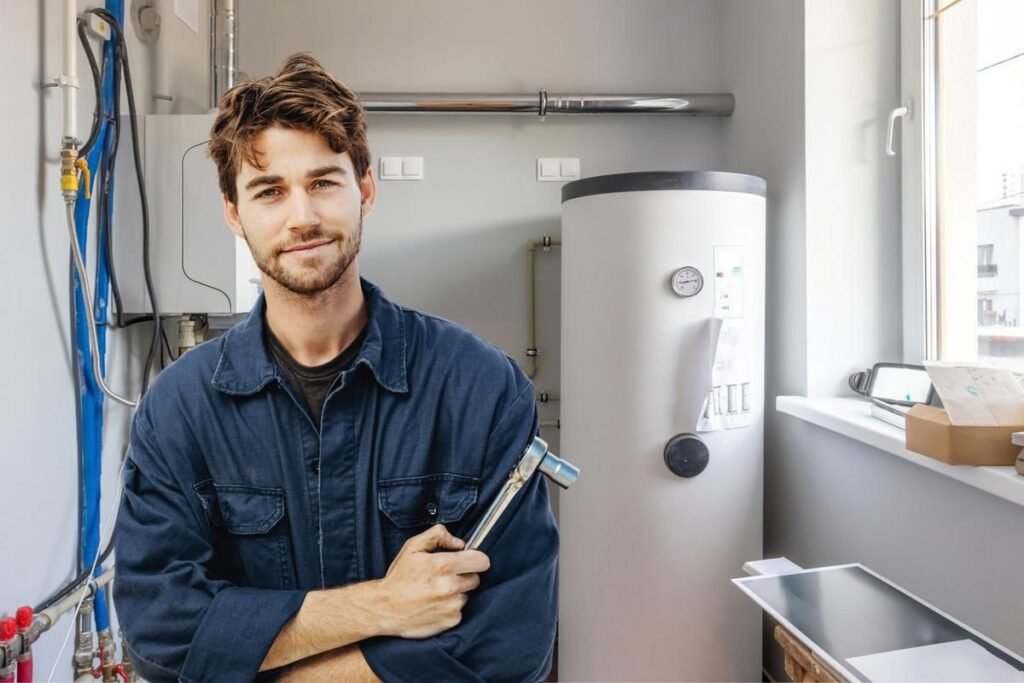
- Flushing the tank became a seasonal ritual, not an emergency fix
Before I understood the importance of flushing, I thought it was something you only did when things went wrong. That mindset cost me efficiency, higher energy bills, and unnecessary stress.
Now, I flush my water heater every few months as a routine, not a reaction.
The difference this made was noticeable almost immediately. The water heated faster, the strange noises disappeared, and the overall performance improved. More importantly, I felt in control instead of constantly reacting to problems.
I created a simple seasonal system:
- Early spring: Full flush
- Mid-summer: Quick partial drain
- Early autumn: Full flush again
- Winter: Light check and drain if needed
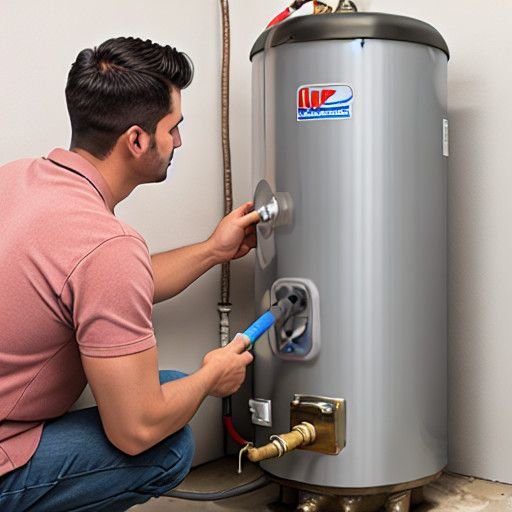
What made this habit sustainable wasn’t just the schedule—it was simplifying the process. I kept a hose nearby, labeled the valve clearly, and wrote down the steps so I didn’t have to relearn them every time.
My simplified flushing steps:
- Turn off the heater
- Connect a hose to the drain valve
- Drain until water runs clear
- Refill and restart
It became less of a technical task and more of a routine—like cleaning out a closet every season.
- I stopped ignoring the anode rod and made it a priority
For the longest time, I didn’t even know what an anode rod was. When I first heard about it, it sounded like something only professionals needed to worry about.
I was wrong.
The anode rod is one of the most important components in a water heater. It sacrifices itself to prevent the tank from rusting. Once I understood that, I realized I had been neglecting the very thing that was protecting my heater.
Checking the anode rod once a year became one of the smartest habits I adopted.
The first time I pulled it out, I was surprised at how worn it was. Replacing it wasn’t difficult, and the cost was minimal compared to replacing an entire tank.
To make this habit easier, I:
- Set a yearly reminder on my phone
- Kept a replacement rod on hand
- Took photos during the first inspection to compare wear over time
This habit changed how I think about prevention. Instead of waiting for damage, I now focus on protecting the system before anything goes wrong.
- I learned to respect water quality and its impact
One thing I used to overlook was the quality of the water itself. I assumed water was just water. But over time, I realized that minerals, sediment, and hardness play a huge role in how a water heater performs.
After noticing recurring sediment buildup, I started paying attention to my water source. Hard water, in particular, was leaving behind deposits that reduced efficiency and increased wear.
Instead of ignoring it, I made small adjustments:
- Installed a simple filter
- Used a water softening method where possible
- Flushed the tank more frequently during high-use months
This habit wasn’t about perfection—it was about awareness.
I also started noticing patterns:
- More buildup during certain seasons
- Faster sediment accumulation after heavy water use
- Slight changes in water clarity over time
By understanding the relationship between water quality and maintenance, I was able to stay ahead of issues instead of constantly reacting to them.
- I turned visual inspections into a monthly habit
There’s something powerful about simply looking at things regularly. Noticing small changes before they become big problems is a skill that improves with practice.
Once a month, I do a quick visual inspection of my water heater. It takes less than five minutes, but it has saved me from potential damage more than once.
What I look for:
- Moisture or leaks around the base
- Rust or corrosion on connections
- Condition of pipes and valves
- Any unusual discoloration
One time, I spotted a tiny drip near a connection. It didn’t seem urgent, but fixing it early prevented what could have become a larger leak.
To make this habit stick, I paired it with another monthly task—checking my electricity or gas bill. It became part of a broader “home awareness” routine.
This habit reinforced an important idea: small observations can prevent big repairs.
- I stopped rushing and started documenting what I learned
Perhaps the most unexpected habit that changed everything was documenting my process. At first, I thought it was unnecessary. But over time, it became one of the most valuable tools I had.
After every maintenance session, I wrote down:
- What I did
- What I noticed
- Any changes in performance
- Questions for next time
This simple practice helped me build a personal guide tailored to my own water heater. Instead of relying on memory, I had a record I could refer back to.
Over time, patterns emerged:
- When sediment buildup was highest
- How often the anode rod needed replacement
- Which seasons required more attention
This habit also reduced uncertainty. I didn’t have to guess anymore—I had my own data.
I even started adding small sketches and notes, turning it into something more than just a checklist. It became a living record of how I cared for my home.
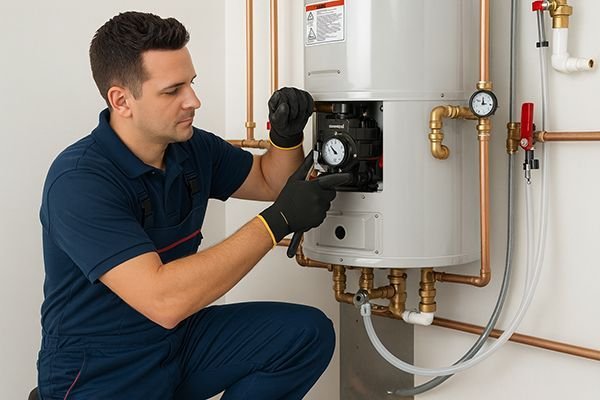
A shift in mindset: from reactive to proactive
Looking back, these habits didn’t just improve my water heater—they changed how I approach maintenance in general.
Before:
- I waited for problems
- I ignored small signs
- I relied on quick fixes
Now:
- I anticipate issues
- I pay attention to details
- I build routines that prevent damage
The difference isn’t about effort—it’s about consistency.
These habits are simple, but their impact grows over time. They don’t require special skills, just a willingness to notice, learn, and repeat.
A practical weekly and monthly routine you can follow
If you want to adopt these habits, here’s a simple structure:
Weekly:
- Listen for unusual sounds
- Quick visual glance
Monthly:
- Full visual inspection
- Check for leaks or corrosion
Seasonal:
- Flush the tank
- Adjust based on water usage
Yearly:
- Inspect or replace the anode rod
- Review notes and patterns
You don’t need to do everything at once. Start with one habit, then build from there.
FAQs
- How often should I clean or flush my water heater?
It depends on your water quality and usage, but a good rule is every 3–6 months for flushing. If you have hard water, you may need to do it more frequently. - What are the signs that my water heater needs cleaning?
Common signs include strange noises (like popping), reduced heating efficiency, discolored water, and fluctuating temperatures. - Is it safe to clean a water heater by myself?
Yes, basic maintenance like flushing and visual inspections can be done safely if you follow proper steps. However, for complex issues, it’s best to consult a professional. - How do I know if my anode rod needs replacing?
If the rod is heavily corroded, thin, or coated with calcium, it’s time to replace it. Checking it once a year is usually sufficient. - Can water quality really affect my water heater that much?
Absolutely. Hard water and mineral content can lead to sediment buildup, which reduces efficiency and shortens the lifespan of your heater. - What’s the easiest habit to start with if I’m a beginner?
Start with listening and visual inspections. They require no tools and help you become familiar with your heater’s normal condition.
In the end, maintaining a water heater isn’t about mastering complex techniques. It’s about building small, repeatable habits that keep everything running smoothly. Once those habits become part of your routine, you stop seeing maintenance as a burden—and start seeing it as a form of quiet control over your home.
About the Author