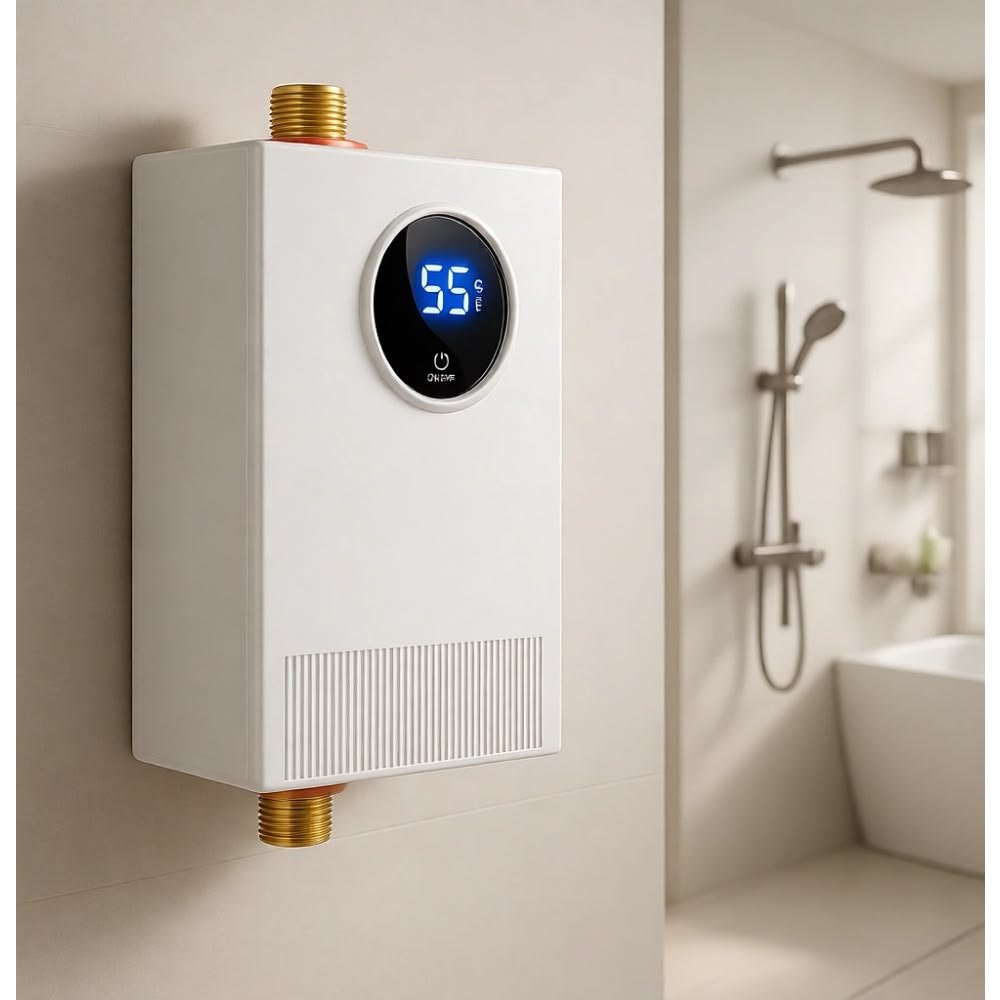
5 Simple Tankless Water Heater Fixes That Saved Me Money
5 Simple Tankless Water Heater Fixes That Saved Me Money
Introduction: how I ended up fixing my own tankless water heater
I never really thought much about my tankless water heater until the day it started acting strange. One morning the shower went from perfectly hot to lukewarm, and then back again without warning. At first I blamed the weather, then the gas supply, then even the water pressure in the house. Like most people, I assumed something “serious” must be wrong and that I’d need an expensive technician visit.
That assumption cost me money before I even realized it.
The first technician I called gave me a quick diagnosis over the phone: “It might be scaling or a flow issue, but we’ll need a full service call.” The quote wasn’t small. I hesitated. Instead of agreeing immediately, I started digging into how tankless systems actually work. That curiosity changed everything.
What I discovered is that many common tankless water heater problems are not actually breakdowns. They’re maintenance issues, minor blockages, or small resets that don’t require expensive parts or replacements. Over time, I learned a handful of simple fixes that not only restored my heater’s performance but also saved me a noticeable amount of money in service calls.
Below are the five simple tankless water heater fixes that made the biggest difference for me.
Fix 1: Flushing out mineral buildup before it becomes a major problem
The first issue I ran into was scaling. If you’ve ever lived in an area with hard water, you already know how quickly minerals like calcium and magnesium build up inside appliances. Tankless water heaters are especially sensitive to this because water flows through narrow heating channels.
At first, I didn’t believe scaling could cause such a noticeable drop in performance. But after flushing the system, the improvement was immediate.
Here’s what I did:
I turned off the heater completely and disconnected the power supply for safety. Then I shut off both the hot and cold water valves. I attached hoses to the service ports and used a simple vinegar solution to circulate through the system for about 45 minutes. Some people use commercial descaling solutions, but vinegar worked fine for me.
After flushing, I ran clean water through the system to remove any remaining residue.
The difference was not subtle. Water temperature stabilized, heating time improved, and the annoying fluctuations disappeared.
What surprised me most was the cost comparison. A professional descaling service in my area would have cost several times more than doing it myself with basic tools.
Lesson learned: scaling is slow, silent, and expensive if ignored—but cheap and easy to fix if handled early.
Fix 2: Cleaning the inlet filter that everyone forgets exists
This one was almost embarrassing. I didn’t even know my tankless water heater had an inlet filter until I read the manual. It turns out this small component plays a huge role in protecting the system from debris like sand, rust, and small particles.
Over time, that filter gets clogged. When it does, water flow decreases, and the heater starts behaving unpredictably. In my case, the hot water would start strong and then fade quickly.
Cleaning it took less than 20 minutes.
I shut off the water supply, removed the filter carefully, and rinsed it under running water. There was visible debris stuck in it—tiny particles that I never expected to cause such a big issue. I used a soft brush to clean it thoroughly, then reinstalled it.
The improvement was immediate. Flow rate returned to normal, and the heater stopped shutting off randomly.
What I learned from this fix is that small filters can create big problems. Most people ignore them because they’re hidden and look unimportant, but they are often the root cause of “mysterious” heater issues.
Fix 3: Resetting the system and clearing hidden error codes
One of the most confusing moments I had was when my heater suddenly stopped producing hot water altogether. There was no obvious leak, no strange sound—just cold water.
When I checked the unit display, there was a small error code flashing. I almost ignored it because I didn’t understand what it meant. That was a mistake.
Tankless water heaters are essentially small computers connected to heating elements. Like any computer system, they can glitch. Sometimes the solution is as simple as a reset.
I turned off the power supply, waited a few minutes, and restarted the system. But I didn’t stop there. I also checked the manual to interpret the error code. In my case, it indicated a temporary overheating safety lock.
After resetting:
The system rebooted normally
The error cleared
Hot water returned within minutes
This fix cost me nothing, but it prevented me from calling a technician unnecessarily.
The key insight here is that error codes are not always signs of failure. Many are temporary safety responses that resolve after a reset.
Fix 4: Improving water flow consistency by cleaning the shower and faucet aerators
This one was unexpected. I initially assumed the problem was inside the heater itself, but it turned out part of the issue was in my plumbing fixtures.
Tankless systems depend heavily on consistent water flow. If flow drops below a certain level, the heater may shut off or fluctuate. I noticed that some taps in my house were delivering weaker flow than others.
So I checked the aerators—the small mesh screens at the end of faucets and showerheads.
They were partially clogged with sediment.
Cleaning them involved unscrewing each aerator, soaking it in vinegar, and scrubbing gently with a toothbrush. I also cleaned the showerhead in the same way.
Once reinstalled, the difference was noticeable:
Stronger water pressure
More stable heating
Fewer temperature swings
What I realized is that many “heater problems” are actually plumbing flow problems. The heater reacts to what the system delivers, so inconsistent flow creates inconsistent heating.
This fix didn’t just improve comfort—it also helped reduce strain on the heater, which likely extends its lifespan.
Fix 5: Checking venting and air intake for hidden blockages
The most serious issue I encountered was related to airflow. Tankless water heaters need proper ventilation to operate safely and efficiently. If the air intake or exhaust vent becomes partially blocked, the system can overheat or shut down intermittently.
In my case, I noticed the heater would sometimes stop working during windy or dusty conditions. That was my clue.
I inspected the vent pipes and found a partial blockage caused by dust and small debris buildup near the exterior vent opening.
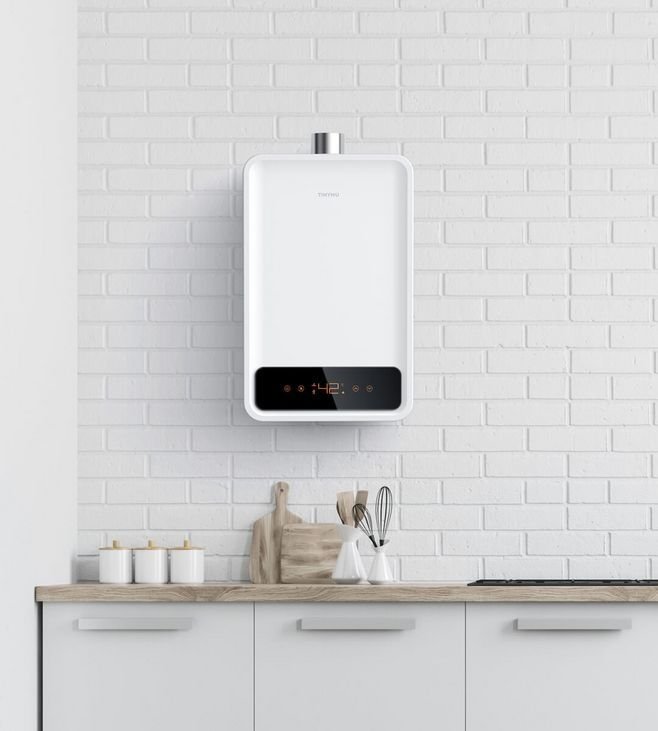
Cleaning it carefully solved the issue.
I also made sure there were no obstructions around the intake area, such as stored boxes or nearby objects restricting airflow.
After fixing the venting:
The heater ran more quietly
Shutdowns stopped completely
Heating efficiency improved
This was one of those issues that could easily have been misdiagnosed as a major internal failure, but it was simply poor airflow management.
It taught me that external conditions matter just as much as internal components.
What these five fixes taught me about tankless water heaters
After going through all these issues, I started to see a pattern. Tankless water heaters are not fragile, but they are sensitive systems. They react quickly to changes in water quality, pressure, airflow, and maintenance habits.
Most of the “expensive problems” people face are actually small issues that build up over time:
Mineral scaling
Clogged filters
Dirty aerators
Simple system glitches
Blocked ventilation
Once I understood this, I stopped fearing breakdowns and started focusing on routine maintenance instead.
The biggest financial lesson for me was that prevention is dramatically cheaper than repair. A few minutes of maintenance every couple of months can prevent service calls that cost significantly more.
A simple maintenance rhythm I now follow
After learning these fixes, I created a basic routine that keeps everything running smoothly:
Every 2–3 months:
Check aerators and showerheads
Inspect visible vents
Watch for changes in water flow
Every 6 months:
Flush the system
Clean inlet filter
Check for error codes or unusual behavior
Once a year:
Full inspection of venting system
Deep descaling if needed
This routine takes far less time than dealing with unexpected breakdowns.
Why these simple fixes saved me real money
Before learning these steps, I assumed tankless water heater issues meant expensive technician visits or part replacements. But in reality, most problems were simple maintenance issues that I could handle myself.
Here’s where the savings came from:
No repeated service calls for minor issues
No unnecessary part replacements
Lower energy usage due to improved efficiency
Longer lifespan of the unit
Fewer emergency breakdowns
The financial impact wasn’t just about avoiding one repair bill. It was about preventing repeated costs over time.
Final thoughts
Looking back, the biggest change wasn’t just in how my tankless water heater performs—it’s in how I approach home maintenance overall. I no longer panic when something changes. Instead, I look for simple causes first.
Most systems in a home don’t fail suddenly. They slowly degrade due to small issues that are easy to fix if caught early.
These five fixes didn’t just save me money—they changed the way I think about maintenance, responsibility, and problem-solving at home.
FAQs
- How often should I flush a tankless water heater?
Most homes benefit from flushing every 6 to 12 months, especially in areas with hard water. - Can I clean the inlet filter myself?
Yes, it’s usually a simple process that involves shutting off water, removing the filter, and rinsing it thoroughly. - Why does my tankless heater show an error code?
Error codes often indicate temporary issues like overheating, low flow, or minor sensor glitches. - What causes inconsistent hot water in a tankless system?
Common causes include scaling, low water pressure, clogged filters, or dirty faucet aerators. - Is vinegar safe for descaling a tankless water heater?
Yes, in many cases vinegar is commonly used for light descaling, though manufacturer recommendations should always be checked. - Do tankless water heaters need regular maintenance?
Yes, routine maintenance is essential to keep them efficient and extend their lifespan.
About the Author