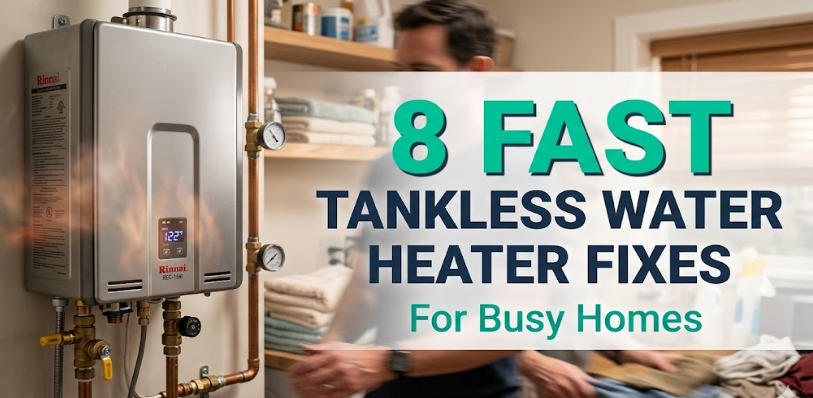
8 Fast Tankless Water Heater Fixes for Busy Homes
8 fast tankless water heater fixes for busy homes
There’s a certain kind of chaos that only a busy household understands. Mornings overlap. Showers run back-to-back. Someone’s filling a kettle while another person is halfway through a load of laundry. In the middle of all that, a tankless water heater is supposed to quietly keep up, delivering hot water on demand without complaint.
But when it doesn’t—when the temperature fluctuates, the pressure drops, or the system throws an error code—it doesn’t just inconvenience you. It disrupts the rhythm of the entire home.
The good news is that many tankless water heater problems aren’t as complicated as they seem. With a bit of practical know-how and a calm approach, you can resolve a surprising number of issues quickly, without calling a technician or spending hours troubleshooting.
This guide walks through eight fast, effective fixes that are especially useful for households where time is tight and expectations are high. Along the way, you’ll also find small insights, habits, and preventative steps that can make your system more reliable over time.
- reset the system before you assume the worst
It sounds almost too simple, but resetting your tankless water heater is often the quickest path to solving minor glitches. These units are essentially small computers managing heating elements, sensors, and water flow. Like any electronic device, they occasionally need a reset.
If your unit suddenly stops producing hot water or shows an unfamiliar error code, locate the reset button or power it down completely. Turn off the unit, wait a few minutes, and then power it back on. This brief pause allows internal components to recalibrate.
In busy homes, frequent use can sometimes overwhelm sensors or cause temporary miscommunication within the system. A reset clears those hiccups.
One small habit that helps: avoid repeatedly turning the unit on and off within short intervals. Give it a moment to stabilize before testing again. That alone can prevent unnecessary frustration.
- check for water flow restrictions
Tankless systems rely heavily on consistent water flow. If the flow drops below a certain threshold, the heater may not activate at all.
If you’re experiencing lukewarm water or intermittent heating, check faucets and showerheads for buildup. Mineral deposits can reduce flow more than you’d expect. Even a slight restriction can confuse the system.
Unscrew the aerator from a faucet and rinse it thoroughly. For showerheads, soaking them in a vinegar solution for a few hours can dissolve mineral buildup effectively.
Also take a moment to check if multiple fixtures are running simultaneously. In a busy home, this happens often. If demand exceeds the unit’s capacity, the system may struggle to maintain temperature.
A simple fix here is behavioral rather than mechanical: staggering usage by even a few minutes can restore proper performance.
- clean or replace the inlet filter
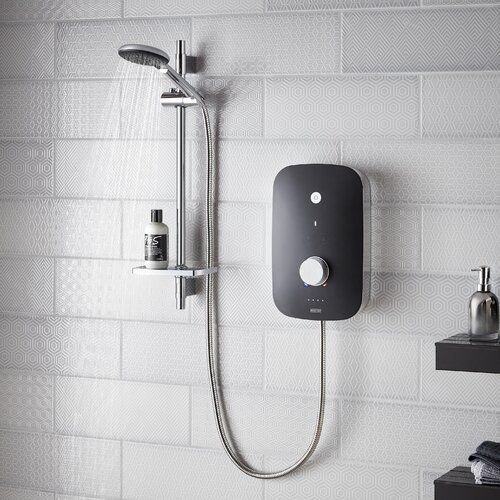
Most tankless water heaters have a small inlet filter designed to catch debris before it enters the system. Over time, this filter can become clogged, especially in areas with hard water or older plumbing.
When the filter is dirty, water flow decreases, which directly impacts heating performance.
To fix this, turn off the water supply, locate the inlet filter (usually near the cold water connection), and remove it carefully. Rinse it under running water until it’s clean. If it’s damaged or heavily clogged, replacing it is inexpensive and quick.
This is one of those fixes that takes less than ten minutes but can dramatically improve performance. In high-use homes, checking the filter every few months is a smart routine.
- adjust temperature settings for realistic demand
Sometimes the issue isn’t a malfunction at all—it’s a mismatch between settings and real-life usage.
If your heater is set too high, the system may struggle to maintain that temperature when multiple outlets are in use. Conversely, if it’s set too low, it may seem like the heater isn’t working properly.
Find the temperature control panel and adjust it to a balanced level, typically between 49°C and 54°C (120°F to 130°F). This range provides comfortable hot water while allowing the system to operate efficiently.
In busy households, consistency matters more than extremes. A slightly lower but stable temperature is often better than a high setting that fluctuates under pressure.
- descale the unit to restore efficiency
Mineral buildup is one of the most common issues affecting tankless water heaters, particularly in regions with hard water. Over time, scale accumulates inside the heat exchanger, reducing efficiency and causing temperature inconsistencies.
Descaling might sound technical, but it’s a manageable process with the right tools. You’ll need a small pump, hoses, and a descaling solution (often vinegar works for light buildup).
The process involves circulating the solution through the unit for about 30–45 minutes to dissolve mineral deposits. Afterward, the system is flushed with clean water.
For busy homes, this fix can feel like a chore, but it pays off immediately. Water heats faster, flows more consistently, and the unit operates with less strain.
If your household uses hot water heavily, descaling once or twice a year can prevent many common issues before they start.
- inspect gas or power supply issues
Tankless water heaters depend on a steady energy source, whether gas or electricity. If the unit isn’t heating at all, the problem may lie here.
For gas units, check that the gas valve is open and that there are no interruptions in supply. If you notice unusual smells or suspect a leak, stop immediately and seek professional help.
For electric units, inspect the circuit breaker. A tripped breaker can cut power to the system entirely. Resetting it may restore functionality instantly.
Busy households sometimes overlook these basics in the rush to fix things quickly. Taking a moment to confirm that the unit is receiving proper energy can save time and prevent unnecessary troubleshooting.
- address error codes without panic
Modern tankless water heaters display error codes when something goes wrong. While these codes can look intimidating, they’re actually helpful clues.
Instead of guessing, refer to the user manual or look up the code online. Most codes correspond to common issues like ignition failure, overheating, or airflow problems.
For example, a code related to airflow might simply mean that the vent is blocked. Checking and clearing the vent could resolve the issue in minutes.
The key is to approach error codes calmly. They’re not signs of disaster—they’re built-in diagnostics designed to guide you toward a solution.
Keeping a digital copy of your manual on your phone can make this process even faster when you’re short on time.
- flush the system after heavy usage periods
In busy homes, water heaters often go through periods of intense use—guests staying over, holidays, or just particularly hectic weeks. After these high-demand periods, the system can benefit from a quick flush.
Flushing removes minor debris and helps reset the internal flow dynamics. It’s a lighter version of descaling and can be done more frequently.
To flush the system, follow the manufacturer’s instructions, usually involving running clean water through the unit for a set period. This simple step can restore smooth operation and prevent buildup from becoming a bigger issue.
Think of it as a reset for the plumbing side of the system, complementing the electronic reset mentioned earlier.
the rhythm of maintenance in a busy home
Fixing problems quickly is important, but preventing them is even better. In households where time is limited, maintenance routines need to be simple and realistic.
Instead of waiting for something to go wrong, build small checks into your routine. Clean a filter while waiting for coffee. Inspect a faucet during a quiet evening. These small actions add up.
It’s also helpful to keep a basic toolkit ready: a wrench, a screwdriver, vinegar, and a few spare parts like filters or washers. Having these on hand turns potential delays into quick fixes.
Another overlooked factor is awareness. When everyone in the household understands the basics—like not running multiple hot water appliances at once—it reduces strain on the system.
a note on when to call a professional
While many issues can be resolved quickly, some situations require expert attention. Persistent error codes, unusual noises, or signs of leaks shouldn’t be ignored.
Calling a professional doesn’t mean you’ve failed—it means you’re protecting your system and your home. The goal is to handle what you can efficiently and recognize when something is beyond a quick fix.
In fact, combining DIY knowledge with occasional professional maintenance often leads to the best long-term results.
creating a system that works with your life
A tankless water heater is designed for convenience, but it performs best when it’s aligned with the way your household actually operates.
Busy homes aren’t predictable. They’re dynamic, sometimes chaotic, and always demanding. The fixes in this guide are meant to fit into that reality—not add more complexity.
By focusing on quick solutions, simple habits, and a bit of awareness, you can keep your system running smoothly without sacrificing time or energy.
In the end, it’s not just about hot water. It’s about keeping the small but essential parts of your home working in harmony with your daily life.
frequently asked questions
- why does my tankless water heater run out of hot water in a busy home
Tankless systems don’t store hot water, but they have a maximum flow rate. If too many fixtures are used at once, the demand can exceed capacity, causing temperature drops. - how often should i descale my tankless water heater
In areas with hard water or high usage, descaling once or twice a year is recommended. For lighter use, once a year is usually sufficient. - is it safe to reset my water heater frequently
Occasional resets are fine, but frequent resets may indicate an underlying issue that needs attention. - what causes fluctuating water temperature
Common causes include inconsistent water flow, mineral buildup, or simultaneous usage of multiple fixtures. - can i clean the inlet filter myself
Yes, cleaning the inlet filter is a simple task that most homeowners can do with basic tools and a few minutes of time. - when should i call a professional instead of fixing it myself
If you notice gas smells, persistent error codes, leaks, or electrical issues, it’s best to contact a qualified technician immediately.
About the Author