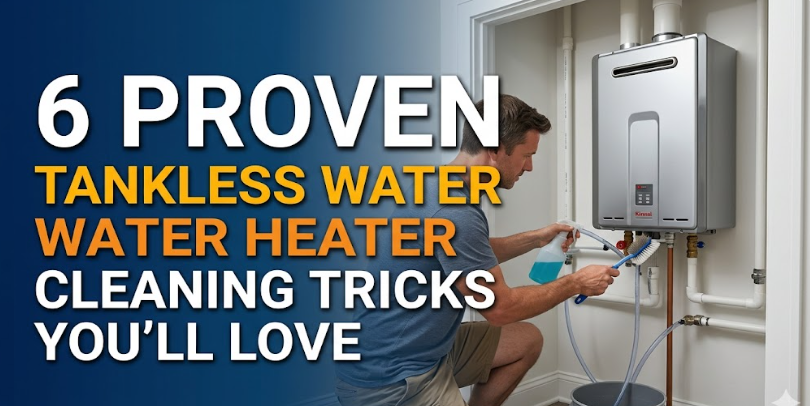
6 Proven Tankless Water Heater Cleaning Tricks You’ll Love
6 proven tankless water heater cleaning tricks you’ll love
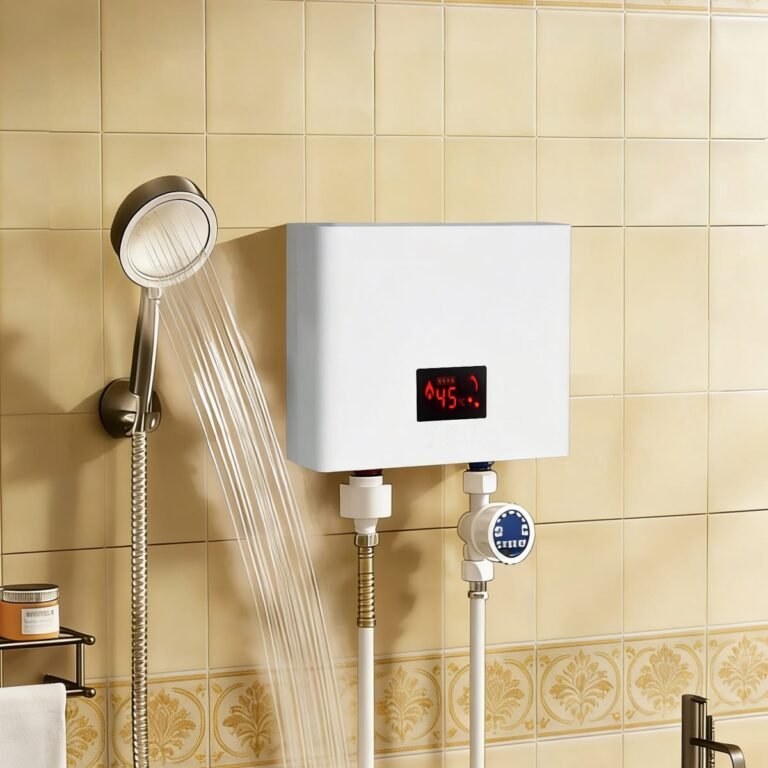
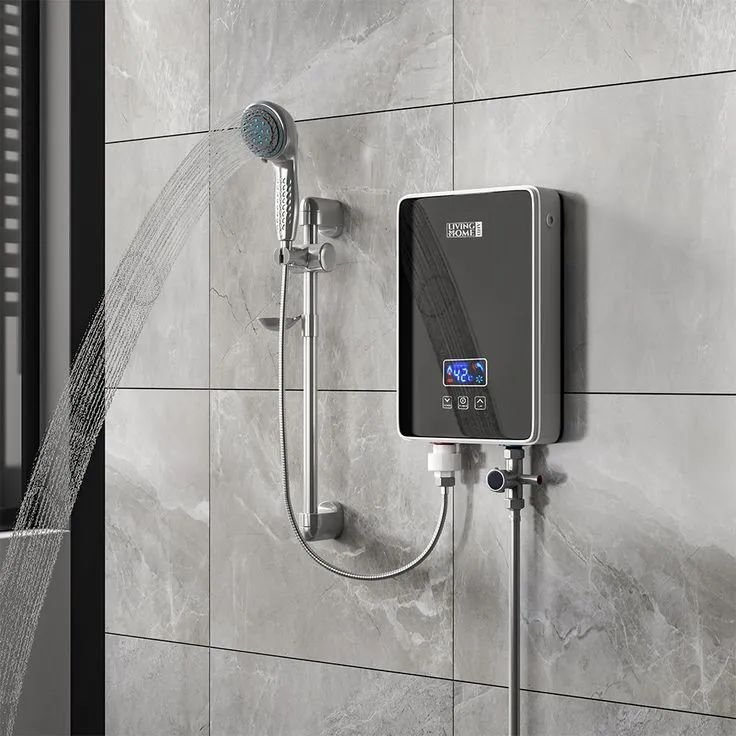
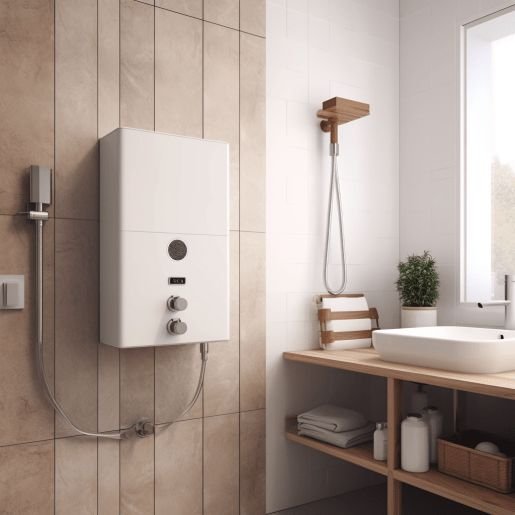
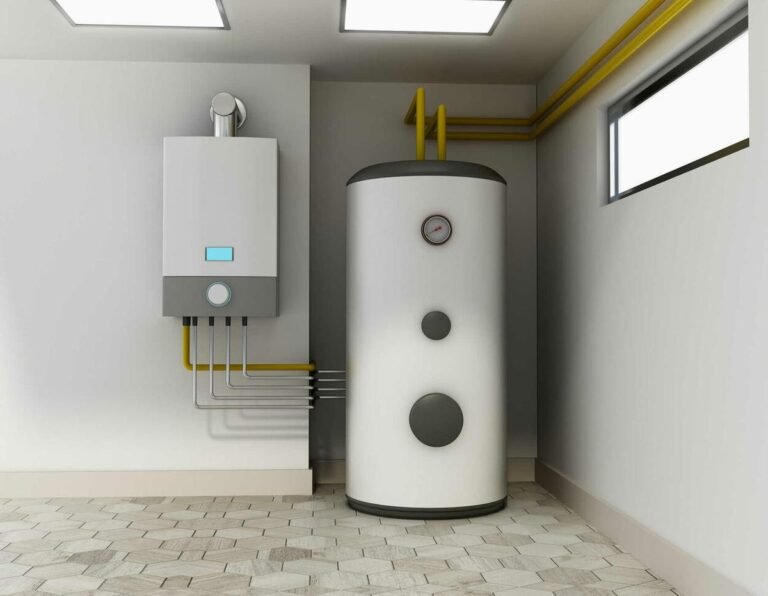
There’s something quietly satisfying about turning on a tap and getting instant hot water without waiting, without waste, and without the bulky presence of a storage tank lurking in a corner. Tankless water heaters have earned their place in modern homes for exactly that reason—they’re efficient, compact, and reliable. But beneath that convenience lies a truth many homeowners overlook: even the smartest systems need care, and cleaning is at the heart of it.
If you’ve ever noticed your water pressure dropping, your heater taking longer to warm up, or strange noises creeping in where silence used to be, your unit may be asking for attention. Cleaning isn’t just maintenance—it’s a way to protect your investment, reduce energy bills, and extend the lifespan of your heater.
This guide isn’t just a checklist. It’s a deep dive into six proven cleaning tricks that are practical, realistic, and surprisingly satisfying to carry out. Along the way, you’ll understand not just what to do, but why it matters—and how small actions can lead to big improvements.
understanding why cleaning matters more than you think
Before jumping into techniques, it helps to understand what’s happening inside your tankless water heater.
Unlike traditional tanks that store hot water, tankless systems heat water on demand. This means water flows through narrow internal pipes and a heat exchanger. Over time, minerals like calcium and magnesium—especially in hard water areas—begin to settle and form scale. This buildup restricts flow, reduces heat transfer efficiency, and forces the unit to work harder than necessary.
Think of it like plaque in arteries. It doesn’t happen overnight, but once it builds up, everything becomes less efficient. Cleaning removes that buildup, restoring the system to its original performance.
The six tricks below are designed to tackle this issue from different angles, ensuring your heater stays clean, efficient, and long-lasting.
trick 1: the vinegar flush that actually works
If there’s one cleaning method that has stood the test of time, it’s the vinegar flush. It’s simple, affordable, and surprisingly powerful.
Here’s the idea: white vinegar acts as a mild acid that dissolves mineral buildup without damaging internal components. While commercial descaling solutions exist, vinegar remains a favorite for its accessibility and safety.
how to do it properly
Start by turning off the power and water supply to your heater. Attach hoses to the service valves—most modern units come equipped with these. You’ll need a small submersible pump and a bucket filled with about 4–5 liters of white vinegar.
Circulate the vinegar through the system for 45–60 minutes. This allows enough time for the acid to break down stubborn deposits. Once done, flush the system with clean water to remove any residue.
why it works so well
The acidity in vinegar reacts with calcium carbonate, dissolving it into a liquid form that can be flushed out. This restores proper water flow and improves heating efficiency almost immediately.
pro tip
Don’t rush the process. Letting the vinegar circulate fully makes a noticeable difference compared to a quick rinse.
trick 2: cleaning the inlet filter for instant results
Sometimes the biggest improvement comes from the smallest component.
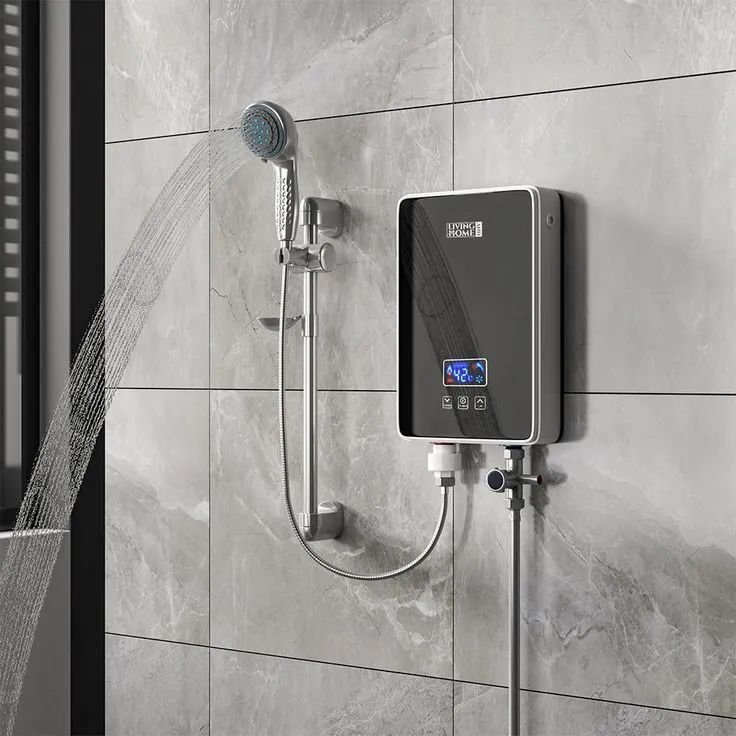
Your tankless water heater has an inlet filter designed to catch debris before it enters the system. Over time, this filter can become clogged with sediment, reducing water flow and putting extra strain on the unit.
how to clean it
Turn off the water supply and locate the inlet filter—usually found near the cold water connection. Remove it carefully, rinse it under running water, and use a soft brush to remove any stubborn particles.
why this matters
A clogged filter restricts water flow, which can lead to overheating or inefficient operation. Cleaning it regularly ensures smooth performance and prevents unnecessary wear on internal components.
quick win
This is one of the fastest cleaning tasks you can do, and the improvement is often immediate—better pressure, smoother operation, and fewer fluctuations in temperature.
trick 3: descaling with a pump system for deeper cleaning
While vinegar works well, sometimes you need a more thorough approach—especially if your unit hasn’t been cleaned in a while.
A pump-assisted descaling system takes the vinegar flush to the next level by ensuring consistent circulation and deeper penetration into internal components.
what you’ll need
A submersible pump, hoses, a bucket, and a descaling solution (vinegar or a specialized cleaner).
the process
Connect the pump to the service valves and let the solution circulate continuously. The movement helps dislodge stubborn scale that static soaking might miss.
why it’s effective
Constant flow ensures that fresh solution reaches all parts of the system, maximizing contact with mineral deposits. It’s like scrubbing instead of soaking.
when to use it
If you notice significant performance issues—like uneven heating or loud noises—this method is your best bet.
trick 4: flushing the system with clean water after every cleaning
It may sound obvious, but many people skip this step or rush through it. Flushing with clean water after descaling is just as important as the cleaning itself.
what happens if you skip it
Residual vinegar or cleaning solution can linger inside the system, potentially affecting water taste or causing minor corrosion over time.
how to do it right
After descaling, run clean water through the system for at least 10–15 minutes. This ensures all loosened debris and cleaning agents are fully removed.
why it matters
A proper flush leaves your system not just clean, but truly refreshed—free from both scale and chemical residue.
trick 5: exterior cleaning that protects internal performance
Cleaning isn’t just about what’s inside. The exterior of your tankless water heater plays a role in its overall efficiency.
dust and airflow
Dust accumulation around vents and air intakes can restrict airflow, especially in gas-powered units. This can lead to incomplete combustion or overheating.
simple maintenance
Wipe down the exterior regularly and ensure vents are clear of dust, debris, or obstructions. Use a soft cloth or a gentle vacuum attachment.
unexpected benefit
Keeping the exterior clean helps maintain proper ventilation, which in turn supports efficient operation and extends the lifespan of internal components.
trick 6: scheduling routine cleaning before problems appear
The most powerful trick isn’t a technique—it’s a habit.
Waiting until something goes wrong often means dealing with more severe buildup, higher repair costs, and reduced efficiency. Routine cleaning prevents these issues before they start.
how often should you clean
In areas with hard water, every 6–12 months is ideal. In softer water regions, once a year may be sufficient.
creating a schedule
Mark your calendar or set a reminder. Treat it like any other essential home maintenance task—because that’s exactly what it is.
why consistency wins
Regular cleaning keeps mineral buildup from reaching problematic levels. It’s easier, faster, and far more effective than dealing with heavy scaling later.
bringing it all together
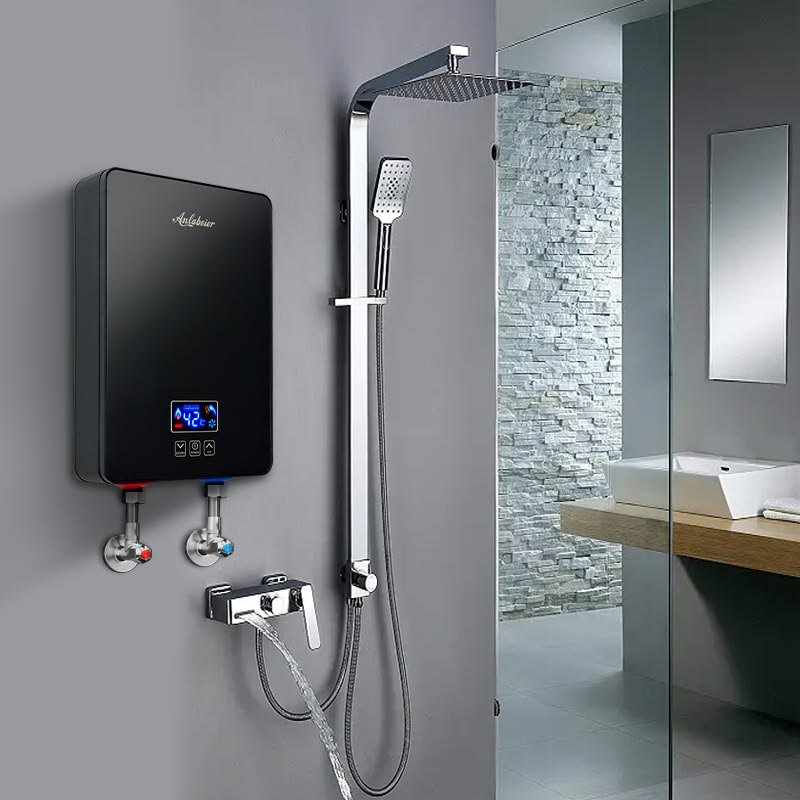
Each of these six tricks serves a specific purpose, but together they create a complete cleaning strategy. The vinegar flush removes scale, the inlet filter ensures smooth flow, the pump system enhances deep cleaning, proper flushing clears residue, exterior care supports ventilation, and routine scheduling ties it all together.
What makes these methods “proven” isn’t just their effectiveness—it’s their practicality. You don’t need specialized skills or expensive tools. With a bit of time and attention, you can keep your tankless water heater running like new.
And perhaps the most satisfying part? The results are immediate. Better water pressure, consistent heating, quieter operation, and lower energy consumption—all from a few simple cleaning habits.
a few subtle signs your heater needs cleaning
Sometimes your system won’t shout for attention—it will whisper. Learning to recognize these signs can save you from bigger problems down the line.
• fluctuating water temperatures
• reduced water pressure
• unusual noises during operation
• longer heating times
• error codes on the unit display
If you notice any of these, it’s a good time to apply one or more of the cleaning tricks discussed above.
final thoughts
A tankless water heater is one of those home upgrades that quietly improves daily life. But like any system, it performs best when cared for. Cleaning isn’t a chore—it’s a way to protect comfort, efficiency, and long-term savings.
By adopting these six proven tricks, you’re not just maintaining a machine—you’re ensuring that every hot shower, every washed dish, and every moment of comfort remains uninterrupted.
And once you’ve done it a couple of times, you might even find the process surprisingly rewarding.
frequently asked questions
- how long does it take to clean a tankless water heater?
On average, a full cleaning process takes about 60 to 90 minutes, depending on the method used and the level of buildup inside the unit. - can i use something other than vinegar for descaling?
Yes, commercial descaling solutions are available and often more powerful. However, vinegar is a safe, affordable, and widely used alternative for regular maintenance. - what happens if i don’t clean my tankless water heater?
Neglecting cleaning can lead to mineral buildup, reduced efficiency, higher energy bills, and eventually system failure or costly repairs. - is it safe to clean the heater myself?
Yes, as long as you follow proper safety steps such as turning off power and water supply. If you’re unsure, consulting a professional is always a good option. - how do i know if my water is causing buildup?
If you live in an area with hard water, mineral buildup is likely. Signs include white residue on fixtures and reduced appliance efficiency. - does cleaning really improve energy efficiency?
Absolutely. Removing scale allows the heat exchanger to work more effectively, reducing the energy required to heat water and lowering utility costs.
About the Author