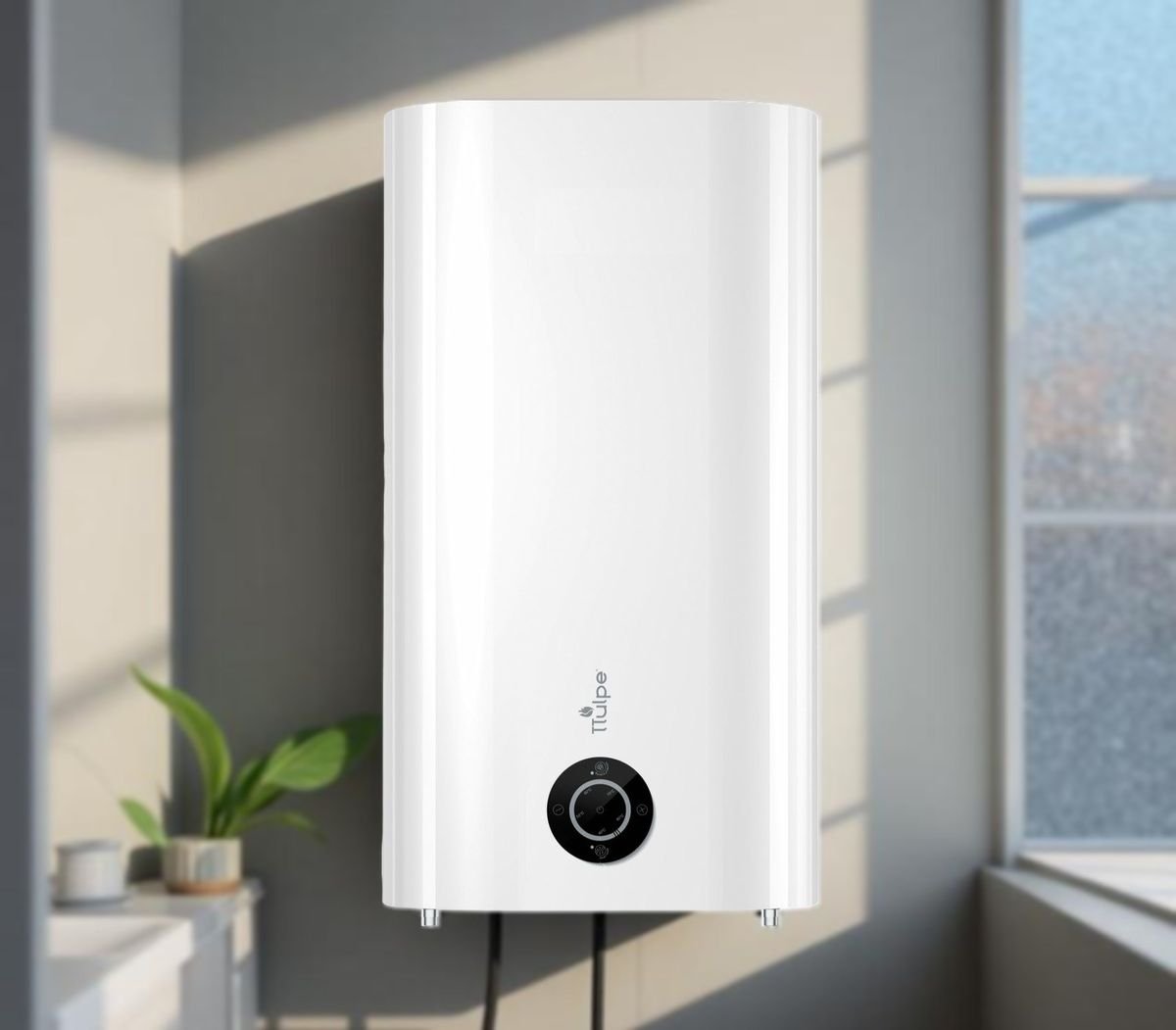
9 Smart Tankless Water Heater Maintenance Ideas That Work
9 Smart Tankless Water Heater Maintenance Ideas That Work
Introduction
Tankless water heaters have become a popular choice in modern homes because they are energy-efficient, space-saving, and capable of providing hot water on demand. Unlike traditional storage water heaters, they don’t keep a large tank of water heated all the time. Instead, they heat water instantly as it passes through the system.
But while tankless systems are efficient, they are not maintenance-free. In fact, many homeowners underestimate how much regular care these units need. Without proper maintenance, even the best tankless water heater can lose efficiency, develop flow problems, or stop producing consistent hot water.
The good news is that maintaining a tankless water heater is not complicated. With a few smart habits and periodic checks, you can extend the lifespan of your unit, reduce energy bills, and avoid costly repairs.
In this guide, we’ll explore 9 practical and effective maintenance ideas that actually work in real homes. These are simple steps you can follow without needing advanced technical knowledge.
- Regularly descale the heating system
One of the most important maintenance tasks for any tankless water heater is descaling. Over time, minerals like calcium and magnesium from hard water build up inside the heat exchanger. This buildup is known as scale.
Scale acts like insulation inside the unit, making it harder for the heater to transfer heat efficiently. As a result, you may notice:
- Reduced water flow
- Longer heating time
- Fluctuating water temperatures
- Increased energy usage
To prevent this, you should flush and descale your system at least once a year. If you live in an area with very hard water, doing it every 6 months is even better.
The process usually involves:
- Turning off power and water supply
- Connecting a vinegar or descaling solution pump
- Circulating the solution through the unit
- Flushing with clean water afterward
This simple routine keeps your system clean internally and ensures it runs at peak efficiency.
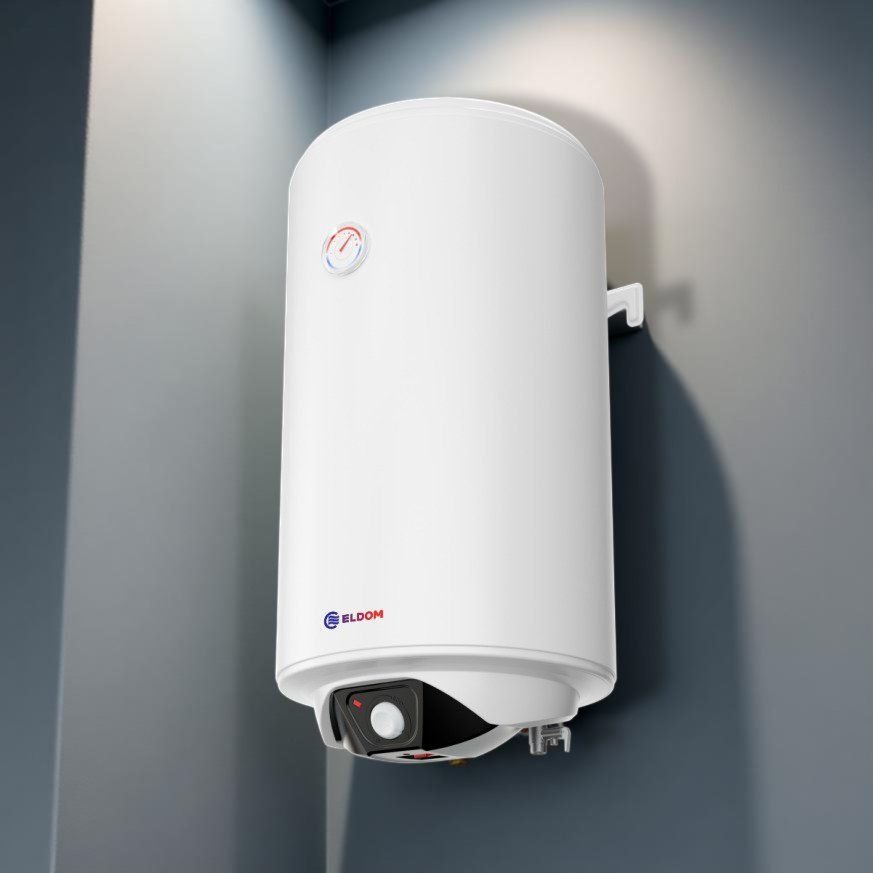
- Clean or replace the inlet water filter
Most tankless water heaters have a small inlet filter that prevents debris, rust, and sediment from entering the system. While this filter is small, it plays a very important role.
Over time, the filter can become clogged, which reduces water flow and puts strain on the heater.
You should check this filter every 3 to 6 months. If it looks dirty, remove it and rinse it under running water. If it is damaged or too clogged, replace it.
A clean filter ensures:
- Smooth water flow
- Better heating performance
- Reduced stress on internal components
Many homeowners ignore this step, but it can prevent a lot of performance issues.
- Inspect water pressure regularly
Water pressure plays a major role in how well your tankless water heater functions. If the pressure is too low, the heater may not activate properly. If it is too high, it can damage internal components over time.
Ideally, residential water pressure should stay between 40 and 60 psi.
You can check this using a simple pressure gauge attached to a faucet. If you notice pressure issues:
- Low pressure may indicate pipe blockage or supply issues
- High pressure may require a pressure regulator installation
Keeping water pressure stable ensures your heater operates consistently and safely.
- Flush the system annually even if there are no issues
Many people wait until something goes wrong before servicing their tankless water heater. This is a mistake.
Even if your system seems to be working fine, internal buildup can still occur silently. Flushing the system once a year helps prevent long-term damage.
Think of it like changing the oil in a car. You don’t wait for the engine to fail—you maintain it regularly to prevent failure.
Annual flushing helps:
- Remove mineral buildup
- Improve heating speed
- Extend system lifespan
- Maintain energy efficiency
This is one of the simplest but most powerful maintenance habits you can adopt.
- Check for error codes and warning lights
Modern tankless water heaters often come with digital displays that show error codes or warning lights. These indicators are extremely useful because they tell you when something is wrong.
Common issues might include:
- Overheating
- Ignition failure
- Ventilation problems
- Flow sensor issues
Instead of ignoring these codes, you should look them up in the user manual or manufacturer guide. Many small issues can be resolved early before they turn into expensive repairs.
Make it a habit to check your unit’s display once a week, especially if it is installed in a less visible area.
- Keep air intake and exhaust vents clean
Tankless water heaters require proper airflow to operate safely. They draw in air for combustion and release exhaust gases through vent pipes.
If these vents become blocked by dust, insects, leaves, or debris, it can affect performance and even create safety risks.
You should:
- Inspect vents every few months
- Remove visible dust or obstructions
- Ensure nothing is blocking airflow outside the home
Proper ventilation ensures efficient combustion and keeps the system safe.
- Maintain consistent water usage habits
Surprisingly, how you use water can also affect your heater’s performance. Tankless systems are designed for on-demand heating, but sudden extreme usage patterns can stress the unit.
For example:
- Running multiple hot water appliances at the same time
- Rapid switching between hot and cold water
- Excessive short bursts of usage
To improve performance, try to distribute hot water usage evenly when possible. While the system is designed to handle demand, stable usage helps maintain consistent temperature output.
This is especially important in larger households.
- Inspect gas or electrical connections periodically
Depending on the type of tankless water heater you own, it will run on either gas or electricity. In both cases, connections should be checked regularly for safety.
For gas models:
- Look for gas leaks or unusual smells
- Ensure the gas line is secure
- Check burner performance
For electric models:
- Inspect wiring for wear or damage
- Ensure breaker switches are functioning properly
- Watch for tripped circuits
If anything looks unusual, it’s best to contact a professional technician rather than trying to fix it yourself.
Safety should always come first when dealing with energy systems.
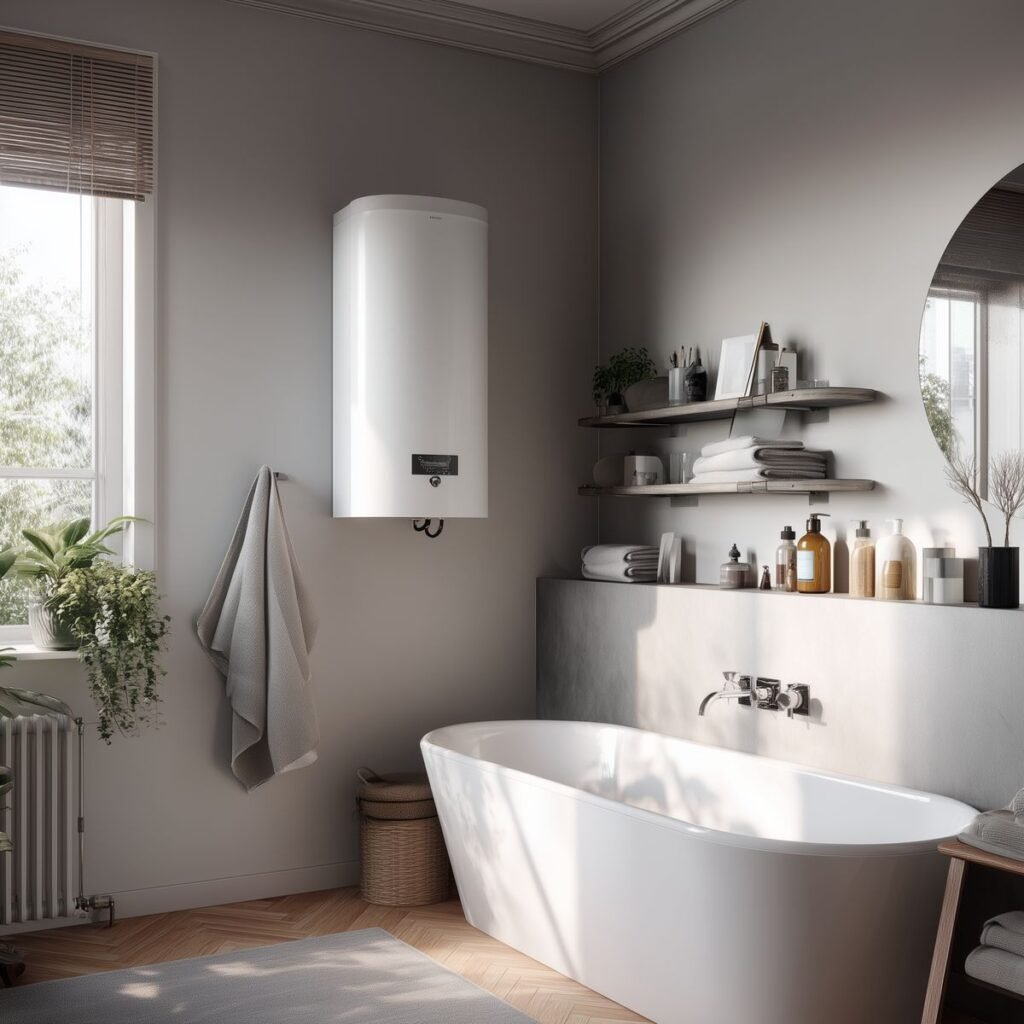
- Schedule professional servicing once a year
Even if you perform basic maintenance yourself, a professional inspection once a year is highly recommended. Technicians can detect hidden issues that are not visible to homeowners.
A professional service usually includes:
- Full system inspection
- Deep descaling and flushing
- Burner or heating element cleaning
- Safety checks for leaks and ventilation
- Performance testing
This yearly checkup ensures your system remains reliable and efficient for many years.
Think of it as a health checkup for your water heater—it helps prevent small problems from becoming major failures.
Conclusion
Tankless water heaters are an excellent investment for modern homes, but they require consistent care to perform at their best. The good news is that maintenance doesn’t have to be complicated or time-consuming.
By following these 9 smart maintenance ideas—ranging from descaling and filter cleaning to professional servicing—you can significantly extend the life of your system and maintain steady hot water flow throughout the year.
A little effort goes a long way when it comes to protecting your home appliances. Regular attention not only saves money on repairs but also ensures comfort and efficiency in your daily life.
FAQs
- How often should I service my tankless water heater?
You should perform basic maintenance like flushing once a year, while deep servicing by a professional is also recommended annually.
- What happens if I don’t descale my tankless water heater?
Mineral buildup can reduce efficiency, restrict water flow, and eventually damage the heat exchanger, leading to costly repairs.
- Can I clean a tankless water heater myself?
Yes, basic tasks like flushing the system and cleaning filters can be done at home, but complex repairs should be handled by professionals.
- Why is my tankless water heater not giving hot water consistently?
This can happen due to scale buildup, low water pressure, clogged filters, or system errors that need troubleshooting.
- Do tankless water heaters need electricity to work?
Yes, even gas-powered models require electricity to power controls, ignition systems, and sensors.
- How long does a tankless water heater last with proper maintenance?
With regular care, a tankless water heater can last 15–20 years or even longer depending on usage and water quality.
About the Author