7 Smart Tankless Water Heater Guide Tips I Wish I Knew Earlier
I still remember the day I switched from my old 50-gallon tank water heater to a tankless unit. I thought I was done — just mount it, connect it, done. Hot water on demand forever, right?
Wrong.
Three months in, I was getting lukewarm showers, a weird error code blinking on the display, and a utility bill that wasn’t dropping the way I expected. I had done zero research on actually maintaining the thing. I just assumed tankless meant maintenance-free.
It absolutely does not.
After some painful trial and error — and a few conversations with a plumber friend who laughed at half my mistakes — I finally got a handle on what it actually takes to keep a tankless water heater running well. Here’s everything I wish someone had told me before I made the switch.
1. Understand How Your Tankless Unit Actually Works — Before Anything Else
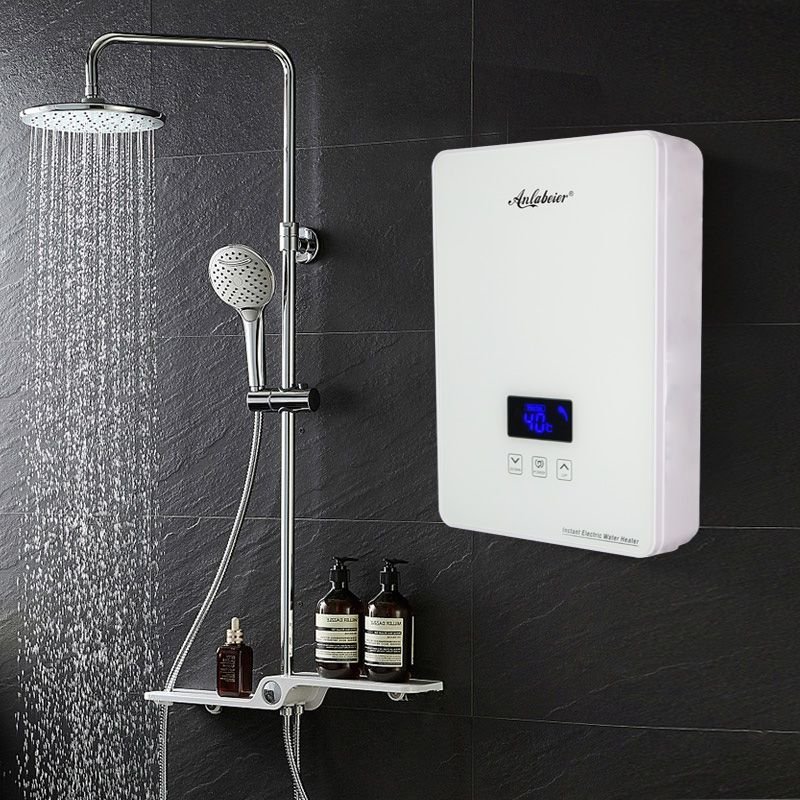
This sounds obvious, but most people (me included) skip the manual entirely. Tankless water heaters heat water on demand using either a gas burner or electric heating elements. There’s no stored hot water sitting in a tank. The moment you open a tap, cold water flows through the unit, gets heated instantly, and comes out hot.
That’s the magic. But it also means the system is working harder, faster, and more continuously than a tank heater ever did.
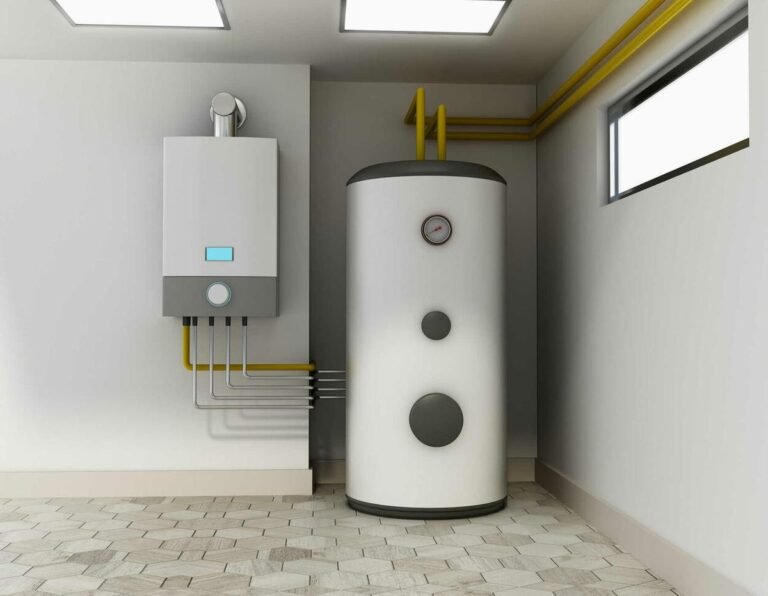
Here’s a quick comparison that helped me understand what I was dealing with:
| Feature | Tank Water Heater | Tankless Water Heater |
|---|---|---|
| Hot water supply | Limited (tank size) | Continuous (on demand) |
| Energy use | Constant (standby loss) | Only when in use |
| Lifespan | 8–12 years | 15–20+ years |
| Maintenance needed | Moderate | More frequent (but simpler) |
| Installation cost | Lower | Higher upfront |
| Space required | Large | Compact |
Once I actually understood this, a lot of my early frustrations made sense. The unit wasn’t broken — I just didn’t know what “normal” looked like.
2. Flush Your System at Least Once a Year — No Exceptions
This is the big one. And it’s the tip I ignored the longest.
Mineral buildup — especially calcium and magnesium from hard water — is the number one killer of tankless water heaters. These deposits form on the heat exchanger and slowly choke the system’s efficiency. You won’t notice it right away. But after a year or two without flushing, you’ll start seeing:
- Longer wait times for hot water
- Inconsistent temperatures
- Strange gurgling or popping noises
- Error codes you can’t explain
Flushing removes that scale buildup and brings your unit back to near-original efficiency. Here’s how I do it now every spring:
What you’ll need:
- White vinegar or a descaling solution (I use Eccotemp’s descaler, but any food-grade option works)
- A submersible pump (a cheap $25 one from Amazon is fine)
- Two hoses with washing machine fittings
- A 5-gallon bucket
Steps:
- Turn off the cold water supply and gas/power to the unit.
- Connect the pump hose to the cold water service valve and the drain hose to the hot water service valve — both going into your bucket.
- Fill the bucket with descaling solution or undiluted white vinegar.
- Run the pump for 45–60 minutes to circulate the solution through the heat exchanger.
- Flush with clean water afterward to rinse everything out.
- Restore power/gas and normal water supply.
Honestly, the first time felt intimidating. By the second year, it took me under an hour and I didn’t need to think twice.
For more on descaling methods that really work, this guide on 5 Powerful Water Heater Maintenance and Care Guide Descaling Tricks That Save Money is worth bookmarking.
3. Check and Clean the Air Filter Regularly
Most people don’t even know tankless water heaters have air filters. I didn’t for the first six months.
Gas-powered tankless units pull in air for combustion. Over time, dust, lint, and debris clog the air intake filter. When that happens, the burner doesn’t get enough oxygen, combustion becomes inefficient, and your unit has to work harder to heat water.
Cleaning it takes maybe five minutes:
- Locate the air filter (usually behind a front panel — check your manual).
- Remove it carefully.
- Rinse it under warm water and let it dry completely.
- Reinstall it.
Do this every 3–6 months, especially if your home is dusty or you have pets. It’s a tiny habit that makes a real difference.
4. Don’t Ignore the Cold Water Inlet Filter
Along the same lines — your tankless unit has a small mesh filter on the cold water inlet that catches sediment before it enters the heat exchanger. If this gets clogged, water flow drops, and you get that frustrating “I turned on hot water but nothing came out” problem.
I had this happen and genuinely thought my unit was failing. Turned out the inlet filter was nearly completely blocked with sediment — took me ten minutes to clean it out, and the unit was back to normal immediately.
How to clean it:
- Shut off the cold water supply to the unit.
- Unscrew the inlet connection slowly (have a towel ready — some water will drip).
- Pull out the mesh filter with needle-nose pliers.
- Rinse it under the tap or use a soft toothbrush.
- Reinstall and restore water supply.
Do this every 6 months as part of your regular maintenance routine.
5. Set the Right Temperature — It’s More Important Than You Think
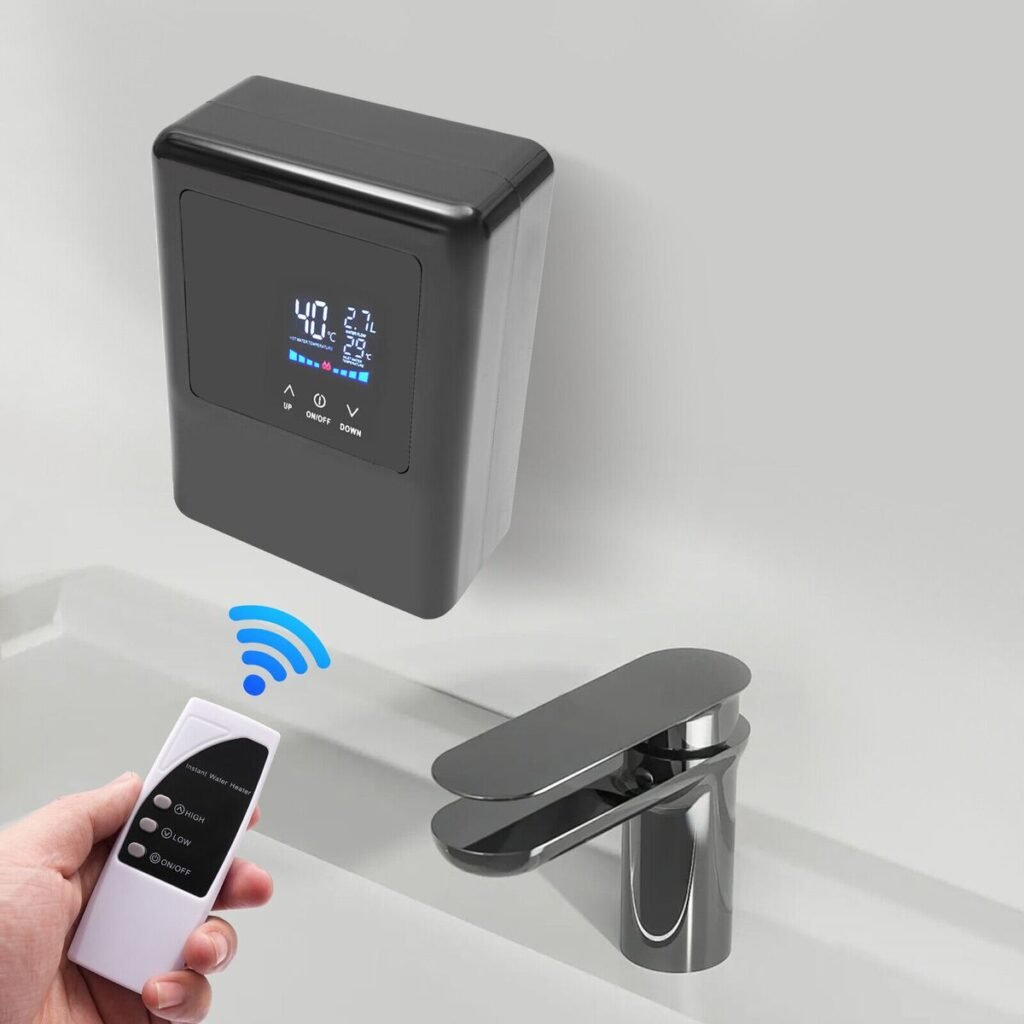
Right out of the box, many tankless units are set to 140°F (60°C). That’s way too hot for most households and it’s actually a safety issue — water that hot can cause scalding in under five seconds, which is a real risk if you have kids or elderly family members.
The sweet spot for most homes is 120°F (49°C). Here’s why that setting specifically is worth sticking to:
| Temperature Setting | Risk Level | Notes |
|---|---|---|
| Below 110°F | Legionella bacteria risk | Too low — not safe |
| 120°F | Ideal | Safe, efficient, comfortable |
| 130°F | Scalding risk (30 seconds) | Too high for homes with kids |
| 140°F+ | Scalding risk (5 seconds) | Dangerous, wastes energy |
I was running mine at 130°F for months before my plumber friend pointed this out. Dropping it to 120°F actually made my showers more comfortable and cut my gas usage slightly.
Most modern units let you adjust this directly on the digital display. If yours doesn’t, check the manual — there’s usually a DIP switch or thermostat dial inside the unit.
6. Know What Error Codes Mean Before You Panic
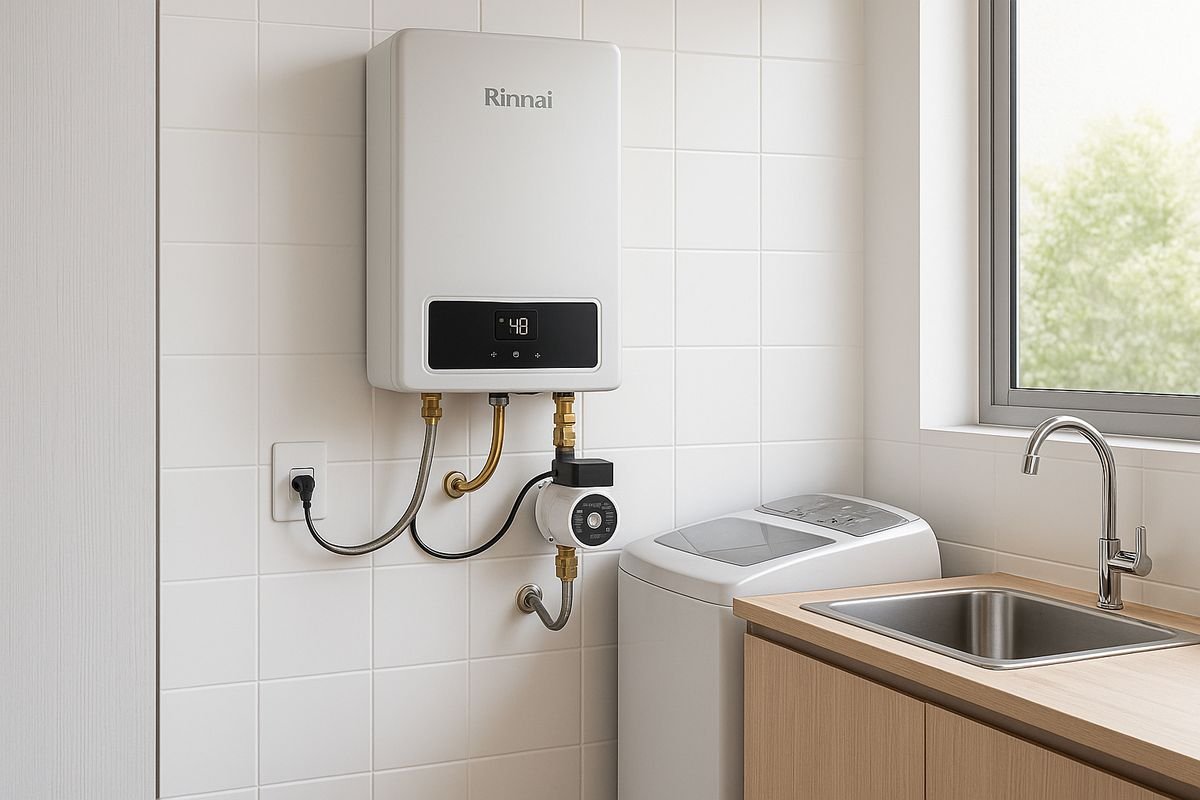
The first time I saw an error code on my Rinnai unit, I immediately called a plumber. Turns out it was a simple ignition issue caused by a slightly loose gas connection — something I could have fixed in two minutes if I’d just Googled the code first.
Tankless water heaters are actually pretty communicative when something’s wrong. Each brand uses its own code system, but most manufacturers publish full code lists on their websites. Here are some common ones across major brands:
| Error Code Type | What It Usually Means |
|---|---|
| Ignition failure | Gas supply issue or dirty igniter |
| Overheat | Blocked venting or too-high temperature setting |
| Low water flow | Clogged inlet filter or low pressure |
| Exhaust blockage | Vent pipe obstruction (check for bird nests!) |
| Flame failure | Gas pressure problem or faulty gas valve |
Before calling anyone, always:
- Write down the exact code
- Look it up in your manual or the manufacturer’s website
- Check the basics (gas supply on? Water pressure normal? Filters clean?)
You’d be surprised how many service calls are completely unnecessary.
For more on diagnosing common problems at home, check out 4 Easy Water Heater Maintenance and Care Guide Checks Before Calling a Plumber — it covers a lot of the same diagnostic thinking.
7. Protect Against Freezing If You Live in a Cold Climate
This one doesn’t apply to everyone, but if you’re in a region that gets hard winters, this is genuinely critical.
Tankless water heaters — especially those installed in garages, crawl spaces, or on exterior walls — are vulnerable to freezing. The water inside the pipes and heat exchanger can freeze, expand, and crack components. Repair bills for freeze damage are brutal, and most manufacturers won’t cover it under warranty if it’s deemed preventable.
Here’s what I do every November before the temperature drops:
Freeze protection steps:
- Check if your unit has a built-in freeze protection feature — most modern units do, but it requires the unit to stay plugged in and have access to gas. Don’t assume it works without power.
- Insulate exposed pipes — foam pipe insulation from any hardware store is cheap and effective.
- Install a recirculation pump — this keeps warm water moving through the system and prevents stagnation and freezing.
- Know how to winterize — if you’re going away for more than a few weeks in winter, drain the unit completely. Most manufacturers have a specific procedure for this.
- Use a smart thermostat or freeze sensor — I have a $15 Govee temperature sensor in my utility room that sends an alert to my phone if the temperature drops below 40°F. Cheap peace of mind.
I know a guy who came home from a two-week Christmas trip to find his garage-mounted tankless unit cracked clean through. That’s a $1,200+ repair. A $15 sensor and some foam insulation could have prevented it entirely.
A Few Mistakes I Made That You Should Avoid
Since I’m being honest here, let me just list a few things I got wrong so you don’t have to:
- Skipping the flush for two years — I thought hard water was only a problem in certain regions. My area has moderately hard water and the buildup was significant by year two.
- Not venting properly — my original installation had a vent run that was slightly too long, which caused combustion issues. Always follow the manufacturer’s maximum vent length specs.
- Using regular garden hose fittings — some hose connections aren’t rated for hot water under pressure. Use proper washing machine hoses for the flush procedure.
- Forgetting the isolation valves — my unit didn’t come with service valves pre-installed. I had to shut off water to the whole house every time I needed to do maintenance. Adding dedicated isolation valves was one of the best $40 I ever spent.
- Ignoring the venting during bird season — birds love to nest in horizontal exhaust vents. A quick seasonal check saves a lot of grief.
What a Realistic Maintenance Schedule Looks Like
Here’s what I actually follow now, after getting my system figured out:
| Task | Frequency |
|---|---|
| Check inlet filter | Every 6 months |
| Clean air filter | Every 3–6 months |
| Flush/descale unit | Annually (more if hard water) |
| Inspect venting | Annually (spring and fall) |
| Test pressure relief valve | Annually |
| Check for error codes or unusual sounds | Monthly |
| Inspect exterior pipes for freeze damage | Before each winter |
It sounds like a lot written out like that, but most of these tasks take under 15 minutes. The annual flush is the biggest time investment and even that’s only about an hour once you’ve done it a few times.
You can pair this schedule with the habits in 5 Smart Water Heater Maintenance and Care Guide Habits That Prevent Breakdowns — a lot of that general advice applies directly to tankless systems too.
The Honest Truth About Going Tankless
Tankless water heaters are genuinely excellent. After four years with mine, I wouldn’t go back to a tank unit. The energy savings are real, the endless hot water is a genuine quality-of-life upgrade, and the longer lifespan more than justifies the higher upfront cost.
But they’re not “set it and forget it” appliances. They need attention. Not a ton — but consistent, deliberate care a couple of times a year.
The people who complain that tankless heaters are overrated are usually the ones who installed one and never touched it again. That’s like buying a car and never changing the oil.
Treat it right, and it’ll run well past the 15-year mark. Ignore it, and you’ll be on the phone with a plumber wondering why your expensive unit gave out after six years.
The learning curve isn’t steep once you know what you’re actually maintaining — and hopefully this gets you there faster than I did.
Also worth reading: 10 Essential Water Heater Maintenance Tips That Extend Life — a solid deep-dive into habits that apply across both tank and tankless systems.
About the Author