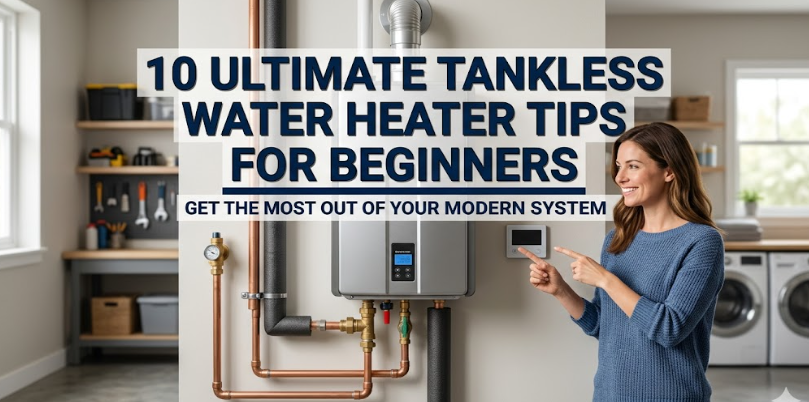
10 Ultimate Tankless Water Heater Tips for Beginners
10 ultimate tankless water heater tips for beginners
There’s something quietly satisfying about turning on a tap and getting endless hot water without waiting, without running out, and without the bulky tank humming in the background. Tankless water heaters promise exactly that—efficiency, space-saving design, and on-demand comfort. But like any modern home upgrade, they come with a learning curve. If you’re new to tankless systems, the difference between a smooth experience and a frustrating one often comes down to a few key habits and insights.
This isn’t just a checklist of tips. Think of it as a practical companion—part guide, part lived experience—that walks you through what actually matters when you start using a tankless water heater. You’ll find small routines, real-world scenarios, and a few “I wish I had known this earlier” moments woven throughout.
tip 1: understand how “on-demand” really works
The phrase “on-demand” can be misleading at first. Many beginners assume it means instant hot water at every tap. In reality, a tankless water heater heats water as it flows through the unit. That means the heater kicks in only when you open a faucet, and the water still needs to travel through your pipes.
Imagine it like ordering tea at a café instead of having it pre-made. The tea is fresher, hotter, and tailored to your taste—but it takes a moment to prepare.
So if you notice a slight delay before hot water reaches your shower, that’s normal. The key is to manage expectations and understand your plumbing layout. Homes with longer pipe runs will naturally have a longer wait time.
quick reflection
Have you noticed certain taps take longer than others? That’s not your heater—it’s your piping distance.
tip 2: choose the right size (flow rate matters more than you think)
One of the most common beginner mistakes is underestimating how much hot water demand a household can generate. Tankless units are rated by flow rate, usually in gallons per minute (GPM). This determines how many fixtures you can run simultaneously.
For example:
- A shower might use 2–2.5 GPM
- A kitchen faucet around 1.5 GPM
- A washing machine roughly 2 GPM
Now imagine running a shower and a washing machine at the same time. Suddenly, your demand doubles.
mini scenario
A family of four installs a smaller unit to save money. Everything works fine—until mornings. Two showers, one sink, and suddenly someone gets a cold surprise.
The lesson: always plan for peak usage, not average usage.
tip 3: temperature settings are your best friend
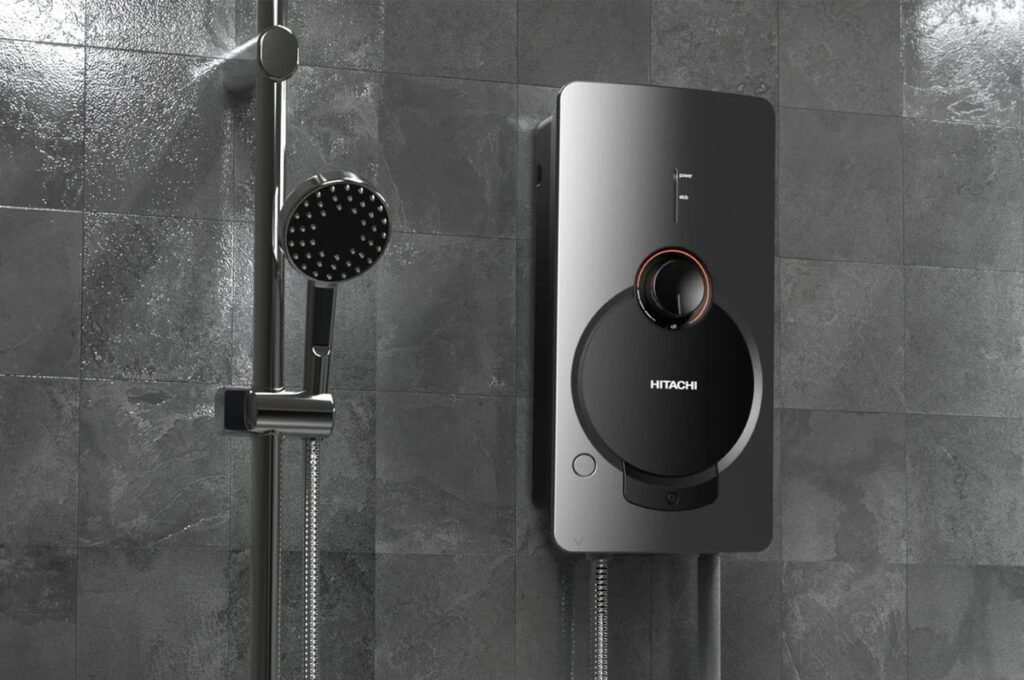
Tankless heaters allow precise temperature control, often down to the degree. But beginners tend to either ignore this feature or set it too high.
A smart approach is to set your unit between 48°C and 52°C (118°F–125°F). This range is comfortable, energy-efficient, and safe.
why it matters
- Lower temperatures reduce energy consumption
- They prevent scalding
- They minimize mineral buildup inside the unit
simple habit
Instead of adjusting temperature at the tap, set your heater correctly once and let it do the work.
tip 4: learn the importance of descaling
If there’s one maintenance habit that separates happy tankless owners from frustrated ones, it’s descaling.
Over time, minerals in water—especially in hard water areas—build up inside the heat exchanger. This reduces efficiency and can even damage the unit.
think of it like this
It’s similar to how a kettle develops limescale. The more buildup, the harder it works to heat water.
recommended routine
- Once a year for moderate water hardness
- Every 6 months for hard water areas
You don’t need to be a professional to do this. Many homeowners use a simple flushing kit with vinegar or a descaling solution.
tip 5: don’t ignore water pressure
Tankless systems rely on a minimum water flow to activate heating. If your water pressure is too low, the unit may not turn on properly.
common signs
- Water stays cold when flow is low
- Temperature fluctuates unexpectedly
quick fix checklist
- Check for clogged filters
- Inspect aerators on faucets
- Ensure your home’s water pressure is within the recommended range
Sometimes, the issue isn’t the heater—it’s a partially blocked faucet.
tip 6: plan for power or gas requirements
Tankless heaters, especially electric ones, can demand significant power. Gas units, on the other hand, require proper ventilation and gas supply.
before installation
- Confirm your electrical panel can handle the load
- Check gas line capacity for gas units
- Ensure proper venting if required
real-world insight
Many beginners focus on the unit price but overlook installation upgrades. In some cases, upgrading electrical wiring or gas lines costs as much as the heater itself.
tip 7: understand the “cold water sandwich” effect
This is one of those quirks that surprises first-time users. The “cold water sandwich” happens when hot water briefly turns cold and then hot again during short bursts of use.
why it happens
When you turn off hot water, some heated water remains in the pipes. The next time you turn it on, that warm water is followed by a small burst of cold water before the heater kicks in again.
is it a problem?
Not really—it’s just part of how tankless systems work.
how to reduce it
- Avoid rapid on/off usage
- Consider a unit with a built-in buffer tank if it becomes annoying
tip 8: keep the air intake and exhaust clear
For gas-powered tankless heaters, airflow is critical. Blocked vents can reduce efficiency or even shut down the unit for safety reasons.
simple maintenance habit
- Check vents every few months
- Clear debris, dust, or obstructions
- Ensure outdoor vents aren’t blocked by plants or snow
small detail, big impact
A partially blocked vent can cause performance issues that mimic larger system problems.
tip 9: invest in a water softener if needed
Hard water is one of the biggest enemies of tankless systems. If your area has high mineral content, a water softener can significantly extend the life of your heater.
benefits
- Reduces scaling
- Improves efficiency
- Lowers maintenance frequency
mini comparison
Without a softener: frequent descaling, reduced lifespan
With a softener: smoother operation, fewer issues
It’s not mandatory everywhere, but in hard water regions, it’s a game changer.
tip 10: read your manual (and actually use it)
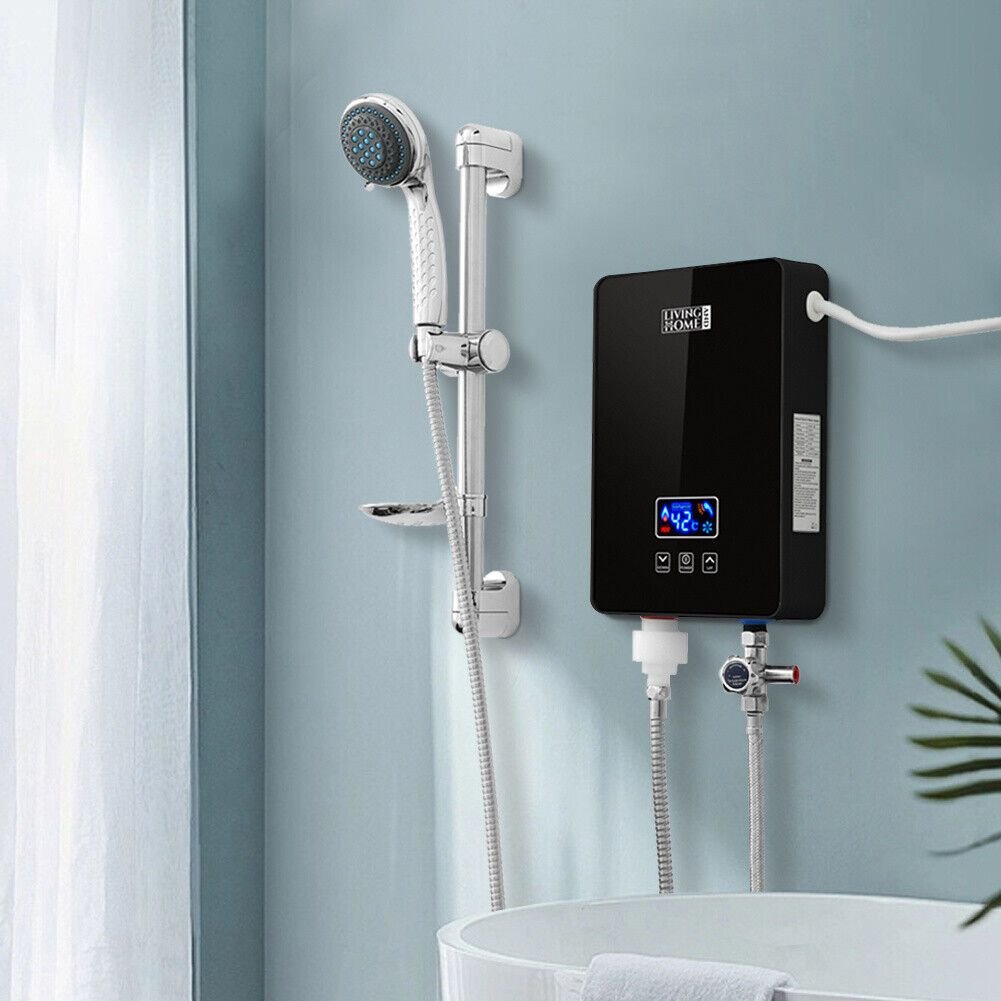
It sounds obvious, but many beginners skip this step. Modern tankless heaters come with features like error codes, maintenance alerts, and diagnostic tools.
what you gain
- Faster troubleshooting
- Better understanding of settings
- Confidence in handling minor issues
practical tip
Keep a photo of the manual on your phone or bookmark the digital version. When something goes wrong, you won’t have to search for it.
bringing it all together
Owning a tankless water heater isn’t just about installing it and forgetting it. It’s about building a few small habits—checking settings, maintaining the unit, understanding how it behaves in everyday situations.
The good news? Once you get used to it, the system becomes almost invisible in your daily life. You stop thinking about hot water altogether—and that’s the real goal.
A beginner who learns these ten tips early avoids most of the common frustrations. More importantly, they get to enjoy what tankless systems do best: consistent, efficient, and reliable hot water.
frequently asked questions
- how long does a tankless water heater last
Tankless water heaters typically last 15–20 years, which is longer than traditional tank systems. Proper maintenance, especially descaling, plays a big role in reaching that lifespan. - is a tankless water heater really more energy efficient
Yes, because it only heats water when needed. However, actual savings depend on usage patterns and energy costs in your area. - can i run multiple showers at the same time
You can, but it depends on your unit’s flow rate. If the demand exceeds capacity, you may experience reduced temperature or flow. - why does my water temperature fluctuate
This can happen due to inconsistent water pressure, mineral buildup, or exceeding the unit’s capacity. Checking filters and descaling often solves the issue. - do tankless water heaters work during power outages
Electric units won’t work without power. Gas units may also require electricity for ignition, so most will not function during outages unless you have a backup power source. - is installation difficult for beginners
Installation can be complex due to electrical, gas, and venting requirements. It’s usually recommended to hire a professional, especially for first-time setups.
If you approach your tankless water heater with curiosity instead of confusion, it quickly shifts from a “new system to figure out” into a reliable part of your home. The learning curve is short, and the rewards—endless hot water, energy efficiency, and space savings—make it well worth the effort.
About the Author